

After more than half a century, humanity is preparing for a historic return to lunar orbit with the Artemis 2 mission, which will take a crew of four astronauts for a flyby around the natural satellite of Terra. The flight, eagerly awaited by the scientific community and the global public, represents a crucial step in the US space agency’s long-term plans to establish a sustainable human presence on Lua and, eventually, Marte. Final preparations are intense, with the NASA team and its international partners working tirelessly to ensure the safety and success of this endeavor.
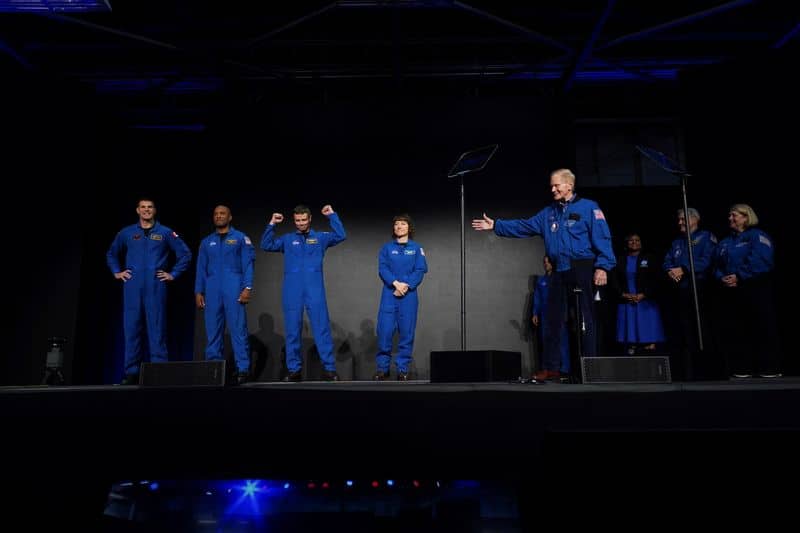
The mission will not only mark the return of humans beyond low-Earth orbit since Apollo 17 in 1972, but also establish new milestones for inclusion and diversity in space exploration. The crew, made up of Reid Wiseman, Victor Glover, Christina Koch and
Crucial trials in Florida
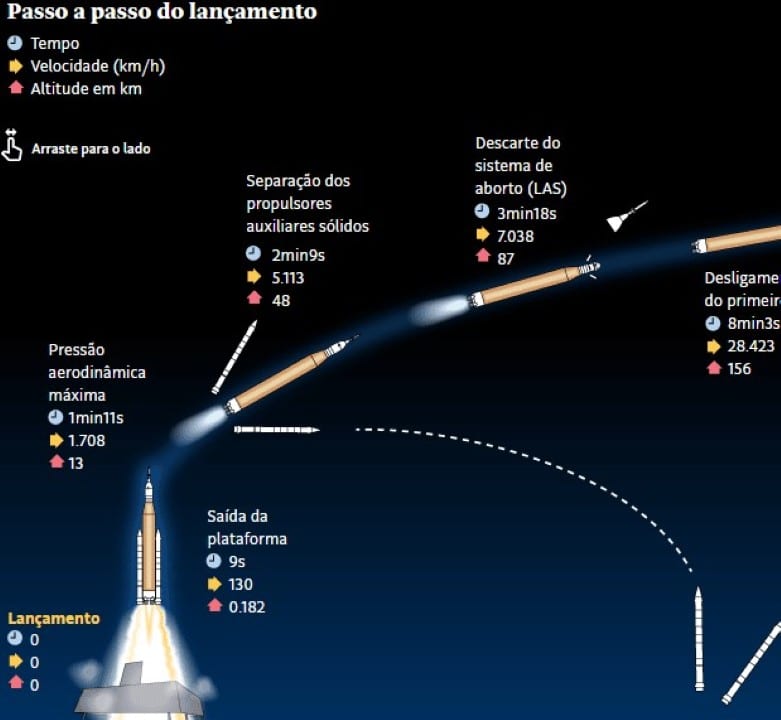
A key rehearsal for the Artemis 2 mission is scheduled to take place on Centro Espacial Kennedy, located at Flórida, Estados Unidos. Este testing is vitally important and will include a series of essential launch procedures, such as fuel transfer and other checks of integrated systems of the Orion spacecraft and the Space Launch System rocket (SLS). The complexity involved demands meticulous precision.
The success of this trial will determine the final adjustment of the launch schedule. Inicialmente, a launch window was scheduled for February 6th and 7th. However, due to a change in the test date, which would previously have been at the end of January, the Artemis 2 flight may be postponed to February 8. The American space agency reiterated that the exact liftoff date will be confirmed only after all tests are successfully completed.
The historical composition of the crew
The Artemis 2 crew is a milestone in the history of space exploration, symbolizing an era of greater diversity and inclusion. Reid Wiseman, mission commander, is an experienced NASA astronaut with a history of spaceflight. Victor Glover, the pilot, will become the first black man to take part in a lunar trip. Christina Koch, mission specialist, will be the first woman to undertake this journey. Jeremy Hansen, also a mission specialist, is the first Canadian to be assigned to a lunar mission.
This selection reflects a commitment to breaking barriers and expanding opportunities in space exploration. The inclusion of people from different backgrounds and ethnicities not only enriches the team’s perspective, but also inspires a new generation of scientists and explorers around the world, demonstrating that space is accessible to everyone, regardless of gender or race.
Primary mission objectives
The Artemis 2 mission’s main objective is to test the life support systems and operations of the Orion spacecraft in a deep space environment, without the need for a lunar landing. The team will perform a series of complex orbital maneuvers, which will include:
- Checks of all subsystems of the Orion spacecraft, ensuring their operation in real flight conditions.
- Tests of abortion and rescue procedures, essential for the safety of astronauts.
- Assessment of long-distance communication with mission control on Terra.
- Verification of the performance of the Orion heat shield during re-entry into the Earth’s atmosphere.
This approximately ten-day journey will serve as a dress rehearsal for Artemis 3, which will later see the first humans set foot on the lunar surface in more than 50 years, including the first woman and the first person of color to do so.
Overcoming technical and environmental challenges
The Artemis program faces a series of challenges, from the development and testing of cutting-edge technologies to the unpredictability of the natural environment. Flórida, the launch site, has experienced a period of intense cold and snowfall, which raises concerns for NASA engineers, who constantly monitor weather conditions and winds. Condições adverse weather conditions can delay launches, imposing the need for flexible windows.
In addition to climate challenges, the technical team needs to ensure the perfect integration of the SLS rocket, the most powerful in the world, with the Orion capsule. Cada component is extensively tested to withstand the extreme conditions of space, including radiation and temperature variations. The quarantine phase for astronauts on Houston is also crucial to protect the crew from illnesses that could compromise the mission, highlighting the complexity of preparing for a space flight.
The importance of international collaboration
The participation of Canadian Jeremy Hansen in the crew of Artemis 2 highlights the collaborative and international character of modern space exploration. Canadá, through its space agency, has been a key partner with NASA in the Artemis program, providing technology and expertise. Essa collaboration not only optimizes resources and knowledge, but also strengthens diplomatic and scientific ties between the nations involved, aiming for common goals at the final frontier.
Other nations also contribute to the Artemis program, demonstrating a concerted effort to expand humanity’s reach in space. Parcerias like these are essential to the development of lunar infrastructure and future interplanetary missions, ensuring that the return to Lua is a shared achievement and a step towards the future of human space exploration.
The future of lunar exploration
Artemis 2 is a vital stepping stone towards the broader goals of the Artemis program: establishing a long-term human presence on Lua. Este program is not limited to brief visits, but aims to build a sustainable infrastructure that will enable regular missions, advanced scientific research and the development of technologies for future trips to Marte. Lua will serve as an outpost for testing new technologies and survival techniques in extraterrestrial environments.
Continued lunar exploration promises to reveal secrets about the formation of our solar system and the resource potential in Lua. With the construction of Lunar Gateway, a space station in lunar orbit, and the development of surface habitats, NASA and its partners are paving the way for a new era of discovery and the expansion of human presence beyond Terra, solidifying Lua as a strategic pivotal point for future space ambitions.
Intensive training and health protocols
The four astronauts on the Artemis 2 mission underwent a rigorous training regimen that ranged from flight simulations and emergency procedures to improving teamwork skills. Este training is designed to prepare you for all possible scenarios that may arise during complex space travel, including:
- Coupling and uncoupling simulations.
- Training in communication and navigation systems.
- Survival and first aid exercises in a microgravity environment.
- Resource management and adaptation to confined environments.
Amid final preparations, the team is quarantined in Houston, a strict preventative measure to ensure that no crew members contract illnesses that could compromise the mission. The physical and mental well-being of astronauts is paramount, and all health protocols are strictly followed to ensure they are in their best condition to face the challenges of a lunar journey.



