

Rolls-Royce has taken a significant step towards its all-electric future by beginning a rigorous winter testing phase for its second battery-powered model. A camouflaged prototype, with dimensions reminiscent of the imposing SUV Cullinan, was spotted in extreme conditions in Arjeplog, at
This development puts the British luxury brand on a direct collision course with its main rival, Bentley, which is also preparing the debut of its first electric sports utility vehicle. The intensification of testing signals that the race for electrification in the ultra-luxury segment is fiercer than ever, with both manufacturers seeking to set the new standard of excellence.
The new SUV is a fundamental pillar in Rolls-Royce’s strategy of completely abandoning combustion engines by 2030. The project uses the same base as the Spectre coupe, the brand’s first electric vehicle, but adapted for the body style that today dominates the high-end market, combining space, versatility and the silent propulsion that has become the signature of the new automotive era.
Platform details and electric propulsion
The heart of the new SUV is the “Architecture of Luxury”, a modular aluminum platform developed in-house by Rolls-Royce. Essa structure is known for its rigidity and flexibility, allowing it to be adapted to different vehicle sizes and, crucially, for the integration of electric propulsion systems without compromising internal space or comfort, a non-negotiable premise for the brand. The same architecture already supports all current models in the line, including the Spectre, which guarantees a robust technical base that has already been validated in real conditions of use by demanding customers around the world. The integration of the battery into the chassis floor not only optimizes the center of gravity, improving stability, but also adds an extra layer of sound insulation, making the cabin a sanctuary of silence.
The powertrain is expected to be derived directly from Spectre. The electric coupe uses two motors, one on each axle, which in its most powerful version, the Black Badge, can deliver up to 650 horsepower and overwhelming instantaneous torque. The 102 kWh battery provides a range of approximately 530 kilometers in the WLTP cycle. Contudo, Rolls-Royce is also evaluating the possibility of incorporating technologies from the new electric generation of the BMW Group, known as “Neue Klasse”. Esses new components, including denser battery cells and more efficient motors, promise to increase range and performance, although adapting them to the current platform represents an engineering challenge that is being closely analyzed by the team at Goodwood.
The rigor of testing in Círculo Polar Ártico
The choice of Arjeplog for the validation of the electric SUV is not random. The region serves as an open-air laboratory for the global automotive industry, where temperatures can easily reach minus 30 degrees Celsius. Nessas extreme conditions, the engineers at Rolls-Royce subject the vehicle to a series of tests that go far beyond simply checking its durability. The main focus is on refining the electric propulsion system to ensure smooth and controlled power delivery over low-grip surfaces. The calibration of the traction and stability control systems is tuned to perfection to provide a “magic carpet” sensation even when driving over a frozen lake. Além In addition, battery performance is rigorously monitored, with full charge and discharge cycles in extreme cold to ensure that range and efficiency are not drastically compromised. Silence, an obsession of the brand, is another crucial point: technicians seek to eliminate any noises or creaks that may appear in the bodywork or suspension components when contracted by the cold, ensuring that the onboard experience remains impeccable in any climate.
Design and dimensions of the new utility
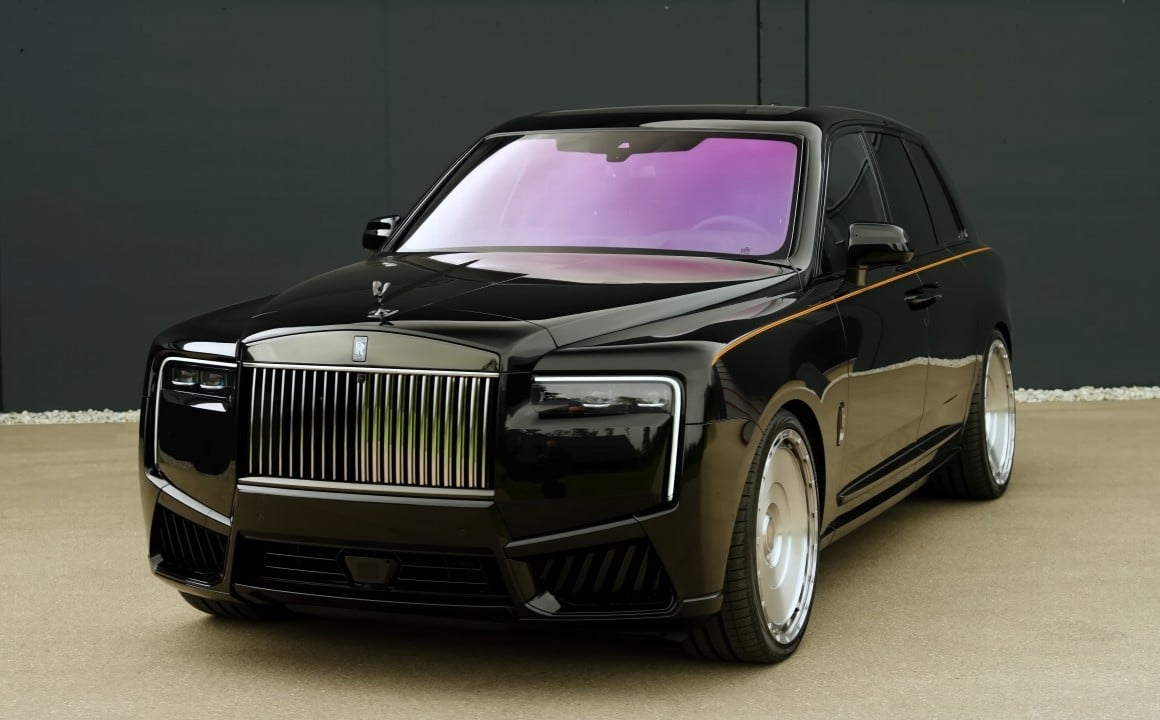
Despite the heavy camouflage that hides the design details, the prototype seen in the Suécia displays imposing proportions, very similar to those of the Cullinan with a combustion engine. The silhouette maintains its characteristic grandeur, with a vertical front end and a long roofline that ensures ample space for rear seat passengers.
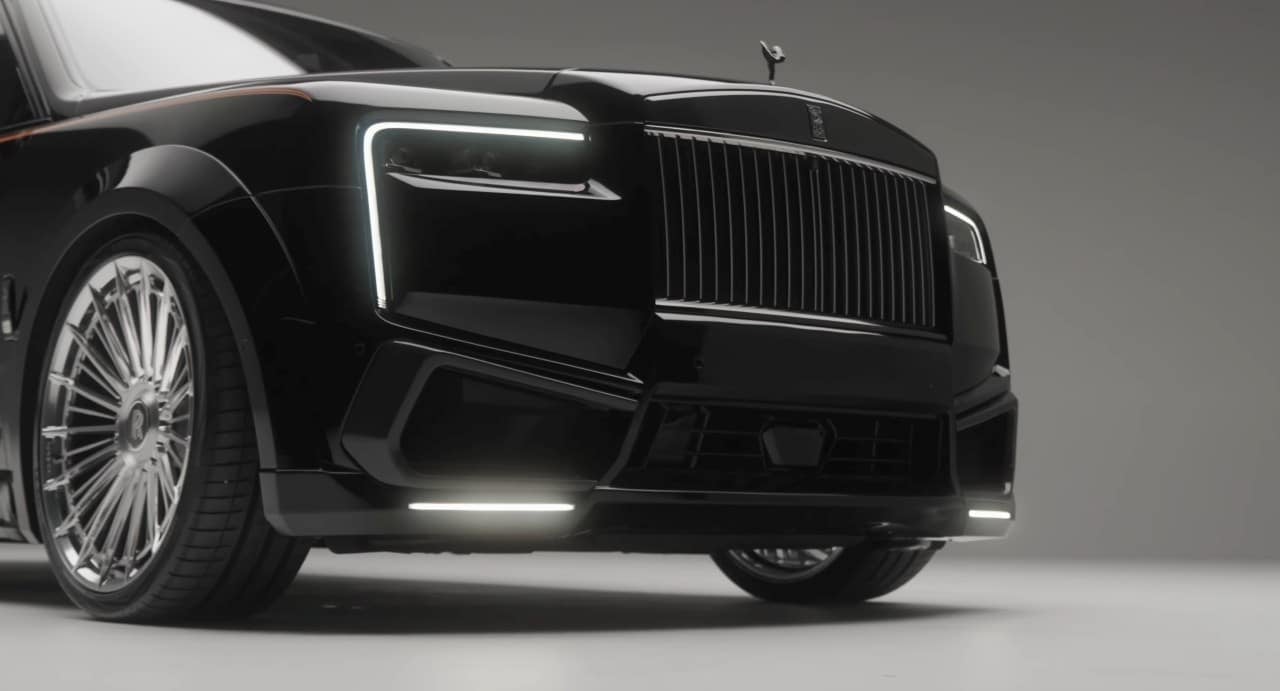
The final model is expected to incorporate visual elements introduced by the Spectre, such as sharper headlights and a subtly redesigned and illuminated Panteão grille, creating a unique visual identity for the brand’s electric family.
The technical basis inherited from Spectre
The Spectre wasn’t just Rolls-Royce’s first step into electrification; it set the standard of excellence for all future battery-powered models from the brand.
The new SUV directly inherits this philosophy, which combines vigorous performance with an unprecedented level of refinement, something that only electric propulsion makes possible.
The standard power of the Spectre is 577 hp, with 900 Nm of torque available instantly, allowing vigorous but completely linear and silent accelerations, moving its almost three tons with the lightness of a smaller vehicle.
This driving experience will be carried over to the SUV format, with specific adjustments to the air suspension and chassis control systems to cope with the additional weight and higher center of gravity, ensuring ride quality remains unchanged.
Direct dispute with Bentley in the electrical sector
The race for electrification in the ultra-luxury segment is fierce, and Rolls-Royce’s main competitor, Bentley, is also preparing to launch its first fully electric vehicle. The Crewe brand’s model, scheduled to be revealed at the end of 2026, should adopt the SUV format with a slightly different positioning.
The Bentley’s focus will probably be more on dynamic performance and fast charging technology, seeking to attract an audience that values more sporty driving.
By anticipating its moves with the development of the electric SUV, Rolls-Royce seeks to reinforce its leadership position at the top of the market. The strategy is clear: while the Bentley may appeal to an audience looking for a versatile, electric grand tourer, the Rolls-Royce will continue to focus on the exclusivity, absolute comfort and quality craftsmanship that its customers expect.
Launch projection and electrification strategy
Analyzing the schedule adopted for the Spectre, it is possible to draw a parallel for the new SUV. The coupe underwent an extensive testing program that lasted more than two years before its official launch, covering millions of kilometers on several continents.
Following a similar trajectory, the electric SUV is likely to be presented to the public in 2026, with the first deliveries to customers scheduled to take place throughout 2027, consolidating the second phase of the brand’s energy transition.
The future of luxury on wheels
The arrival of the second electric model from Rolls-Royce consolidates an irreversible trend in the ultra-luxury car market. Electrification is no longer an alternative but has become the new standard of excellence, where the absence of noise and vibration from the combustion engine takes comfort to a new level. The brand’s new SUV will not only be a zero-emission vehicle, but a reaffirmation that the future of luxury is silent, powerful and, above all, electric.



