

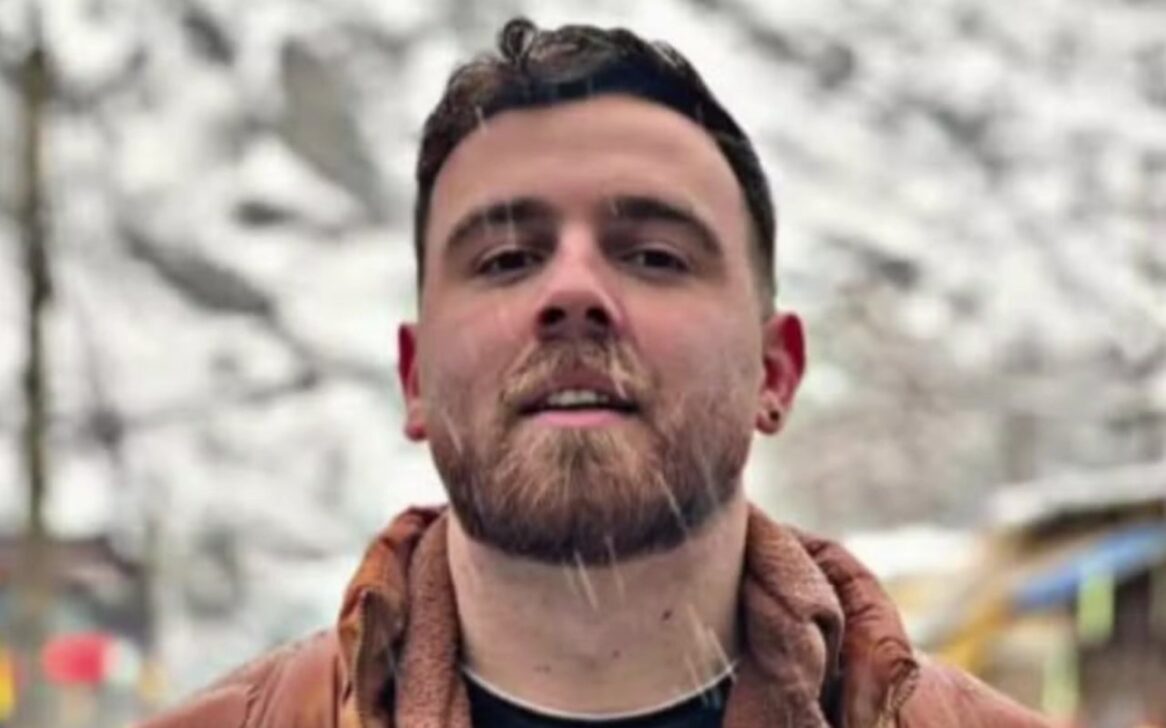
Erfan Soltani, an Iranian national detained during anti-government protests and reportedly facing a death sentence, has been released on bail. His liberation follows widespread international alarm over potential execution, a development confirmed by a human rights organization and Iranian state media.
The release of Soltani brings a temporary reprieve in a case that drew significant global attention amidst a severe crackdown on dissent in Iran. His situation underscored the precarious conditions for individuals arrested during the widespread demonstrations.

His detention initially sparked fears of capital punishment, prompting swift reactions from international bodies and foreign governments. Soltani’s case had become a focal point for human rights advocates monitoring Iran’s response to public unrest.
Arrest and initial charges
Soltani, 26, was arrested last month as a wave of anti-government demonstrations swept across Iran, leading to a violent state crackdown. Authorities detained him on January 10 at his home in Fardis, a city approximately 25 miles west of Tehran.
He faced charges of “assembly and conspiracy against the country’s internal security” and “propaganda activities” against the regime, according to reports from the state broadcaster IRIB. These accusations are commonly used against those involved in protests in Iran.
International outcry and US intervention
Following Soltani’s arrest, the U.S. State Department and a relative publicly asserted that Iranian authorities intended to execute him. However, the Iranian judiciary swiftly dismissed these claims as “fabricated news,” according to state media.
Subsequently, Soltani’s family announced that his execution had been postponed. Amid growing fears for his fate, then-U.S. President Donald Trump stated he had received assurances from “reliable sources” that no executions were planned in Iran at that time.
Trump issued a strong warning against the execution of protesters, indicating that the United States would “take strong action” if such measures were pursued. This diplomatic pressure highlighted the international community’s concern over Iran’s human rights record.
Confirmation of release
On Saturday, Soltani was freed on bail, as reported by Hengaw, a Norway-based human rights organization monitoring events in Iranian Kurdistan. Iran’s state broadcaster Press TV also confirmed his release through a statement posted on Telegram.
Broader context of Iranian protests and crackdown
The uncertain fate of Erfan Soltani became one of the most high-profile international cases emerging from the massive anti-government protests that shook Iran earlier this decade. Iranian security forces responded to these demonstrations with brutal repression, including a prolonged, nationwide internet blackout.
Despite the internet restrictions, accounts of the violent crackdown continued to surface, with witnesses, human rights activists, and healthcare professionals detailing widespread violence against protesters to various media outlets. The crackdown prompted severe criticism from international observers and human rights organizations, who continue to monitor the situation closely in 2025.
Human rights concerns and past executions
The HRANA (Human Rights Activists News Agency), based in the U.S., reported at the time that over 6,400 protesters had been killed and more than a thousand arrested since the protests began. Additionally, HRANA stated that investigations were underway into another 11,280 deaths. These figures, while difficult to independently verify, painted a grim picture of the human cost of the suppression.
Iran consistently ranks among the countries with the highest execution rates globally and has a history of executing protesters following periods of large-scale unrest and disturbances. The continued use of capital punishment against dissidents remains a significant human rights concern for international bodies and advocacy groups in 2025, leading to ongoing calls for judicial reform and adherence to international human rights standards.
Soltani’s background and family’s plea
A relative of Soltani, identified as Somayeh, described him in an interview with CNN as an “incredibly kind and good-hearted young man” who “always fought for Iran’s freedom.” The family’s public appeals underscored the personal stakes involved in the broader political unrest.
In January, it was reported that Soltani was in good health and had managed to meet with his family, offering a brief moment of reassurance amidst severe anxiety about his situation. His ability to connect with relatives was seen as a positive sign by supporters, highlighting the importance of family contact for detainees in such circumstances.
Persistent US-Iran tensions in 2025
Amidst the protests of earlier years, Trump had urged Iranians to continue their demonstrations and “take control” of the country’s institutions, promising “help was on the way.” While no military action occurred during those protests or the subsequent crackdown, U.S.-Iran relations have remained fraught with tension through 2025.
Current U.S. policy continues to focus on preventing Iran from developing nuclear weapons and curtailing its ballistic missile program. Negotiations on these fronts have faced significant hurdles, leading to ongoing diplomatic stalemates and periodic escalations. The U.S. has also maintained a robust military presence in the region, reflecting continued concerns over regional stability.
Iranian Foreign Minister Abbas Araghchi expressed confidence in previous years that an agreement could be reached with the U.S. on Tehran’s weapons program. However, Iran’s Supreme Leader, Ayatollah Ali Khamenei, has consistently adopted a defiant stance, warning that any U.S. attack would be met with strong regional retaliation, a position that continues to shape geopolitical dynamics in 2025.