
Markets weigh Kevin Warsh’s potential Federal Reserve leadership, eyeing independence and balance sheet adjustments

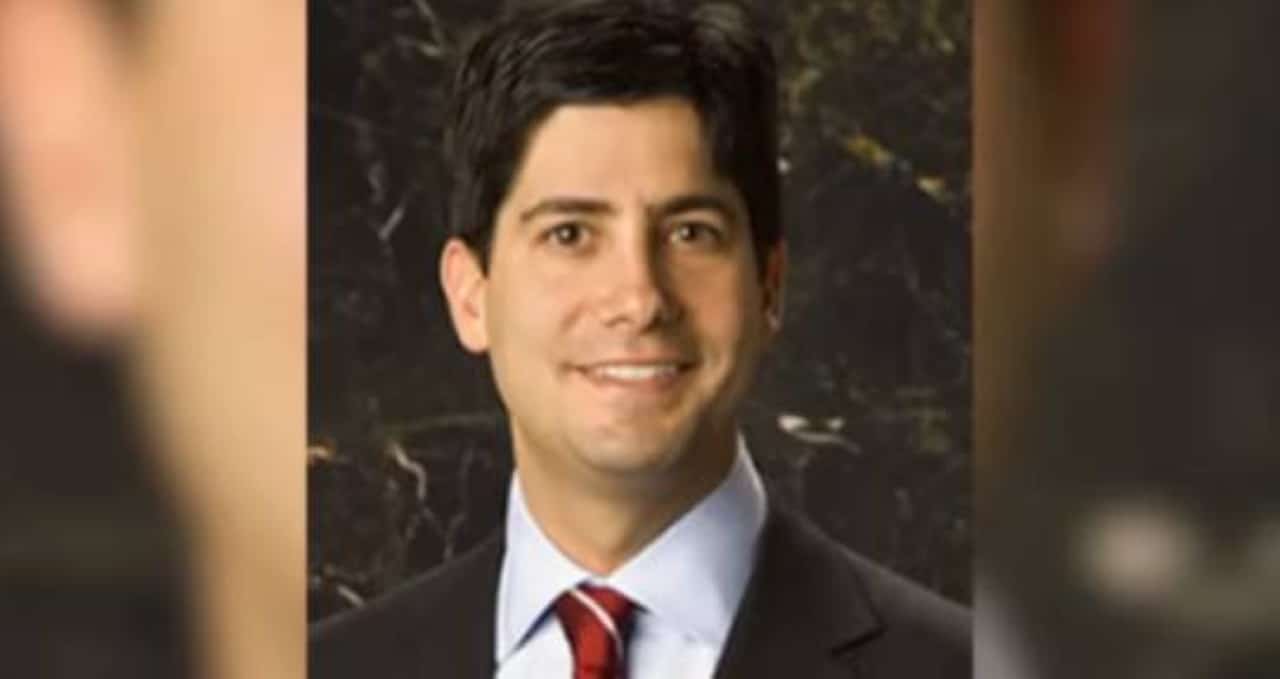
The indication of Kevin Warsh by President Donald Trump to lead the Federal Reserve has prompted an immediate reaction across Wall Street, as investors began processing the implications of a new leadership at the central bank. If approved by the U.S. Senate, Warsh would assume the Fed chairmanship in mid-May 2025, succeeding Jerome Powell, ushering in a period of intense speculation regarding monetary policy shifts. The financial community is now carefully scrutinizing Warsh’s background and economic philosophies for clues on future interest rate decisions and the Fed’s overall strategic direction.
On the Friday following the announcement, major U.S. stock indices closed lower, reflecting initial market apprehension. The Dow Jones Industrial Average decreased by 0.36%, settling at 48,892 points, and concluded the week with a 0.42% loss. Meanwhile, the S&P 500 dipped 0.42% to 6,939 points, though it still registered a 0.35% gain for the week, indicating underlying market resilience despite the news.
The Nasdaq Composite, heavily populated by technology companies, experienced a more significant downturn, falling 0.94% to 23,461 points, and ended the week with a 0.17% loss. Despite these immediate market movements, experts suggest that initial reactions often precede a period of market absorption, where the longer-term implications are weighed against current economic fundamentals and corporate performance.
Market digestion and initial reactions
Ajay Rajadhyaksha, global head of research at Barclays, stated that markets are expected to absorb this announcement and move forward after an initial reaction. He emphasized that the Federal Reserve’s overall direction is not likely to change suddenly, indicating a measured transition rather than an abrupt pivot.
This perspective suggests that while a new leader can influence sentiment, the institutional framework and existing economic data tend to guide policy evolution over revolutionary shifts. Market participants are conditioned to respond to new information but also to evaluate it within the context of established trends.
Policy nuances and investor focus
Rajadhyaksha also highlighted that, consistent with recent market behavior, company earnings and data surprises from large technology firms would continue to hold more importance for investors than a conventional choice for the Fed’s top position. This indicates a robust focus on corporate fundamentals influencing investment decisions more profoundly than central bank leadership changes alone. The strong performance of key sectors often provides a buffer against broader economic uncertainties.
As the confirmation hearings for Warsh proceed, investors will gain a much clearer understanding of his priorities as the potential Fed Chair. These testimonies are critical for shaping market expectations and providing insights into his likely policy framework, including his views on inflation targets, employment mandates, and the future role of the central bank. The transparency offered by such proceedings is essential for market stability.
Warsh’s potential policy stance and market expectations
Brian Levitt, chief global market strategist at Invesco, pointed out that Warsh’s testimony will offer market participants a valuable opportunity to learn about his potential policy priorities. This includes discerning how his approach might differ from or align with that of current Chair Jerome Powell. His past record, which suggests a more conservative approach to monetary policy, will be under particular scrutiny.
Levitt further suggested that Warsh might not prove as hawkish as markets currently anticipate, despite his previous actions while serving on the Fed. This view hints at a possible overestimation by some investors of Warsh’s inclination towards aggressive interest rate hikes or rapid balance sheet reduction. Market participants often project past behavior onto future roles, sometimes missing nuanced shifts.
Historically, a hawkish stance typically advocates for tighter monetary policy, often through higher interest rates, to control inflation, while a dovish stance prioritizes economic growth through more accommodative measures. Warsh’s known emphasis on reducing the Fed’s balance sheet has fueled much of the current speculation regarding his potential hawkish leanings.
Key questions for Wall Street
Several critical questions are at the forefront of Wall Street’s analysis regarding Kevin Warsh’s potential tenure as Federal Reserve Chair. These inquiries delve into the fundamental aspects of the central bank’s operational independence and its strategic direction under new leadership, impacting investor confidence.
A primary concern is whether Warsh will uphold the Fed’s independence in the face of possible political pressure from the presidential administration. Maintaining this autonomy is widely considered crucial for the Fed’s credibility and its ability to effectively manage monetary policy without undue short-term political influence.
Investors are also keen to discern Warsh’s future monetary policy stance: will he adopt a more hawkish approach, consistent with some past actions, or will he lean towards a more dovish position? Furthermore, his capacity to build consensus among other members of the Federal Reserve Board will be vital for the effective implementation of any new policies.
Another significant area of focus is whether Warsh will advocate for substantial changes to the Federal Reserve’s balance sheet, a key tool for managing liquidity, and if there will be alterations in the Fed’s relationship with the Treasury Department. These decisions could significantly influence financial markets and economic stability.
Balance sheet focus and Treasury cooperation
Doug Beath, global equity strategist at Wells Fargo Investment Institute, noted that if confirmed as Fed Chair, Kevin Warsh would likely concentrate on advocating for a reduced Federal Reserve balance sheet. This aligns with his historical position of favoring a more streamlined central bank. Such a focus could lead to less quantitative easing and a more conventional approach to monetary policy over time.
This strategic emphasis on the balance sheet could also foster closer cooperation between the Fed and the Treasury Department, according to Beath. A synchronized effort between these two key economic institutions on fiscal and monetary matters might enhance overall economic stability and facilitate more coherent policy implementation. This collaboration could prove crucial during periods of economic transition.
Broader economic implications
The confluence of a potential leadership change at the Federal Reserve and ongoing economic indicators will shape the investment landscape for the coming year. Beyond the immediate market shifts related to Warsh’s indication, the underlying strength of corporate earnings and broader economic data will continue to exert significant influence on investor decisions. This complex interplay between policy shifts, corporate performance, and macroeconomic trends underscores a dynamic period for financial markets.
January barometer signals
In a broader context, the S&P 500’s performance in January 2025 provided a traditionally positive signal for the remainder of the year. The index saw a 1.35% increase for the month, a statistic often cited by market strategists. Adam Turnquist, chief technology strategist at LPL Financial, highlighted that since 1950, when the S&P 500 recorded a positive gain in January, it subsequently closed the year higher in 89% of cases. This historical “January Barometer” offers a bullish backdrop for equity markets in 2025, suggesting a resilient environment even as new leadership transitions at the Federal Reserve unfold.



