


Vazamento of Monster Hunter Wilds details graphics optimization and fast load mode for the Switch 2
Nintendo Switch 2, Monster Hunter Wilds, Leak, Capcom, RE Engine
New unofficial information about the long-awaited successor to Nintendo Switch has surfaced on the internet, this time coming from an alleged leak linked to the development of Monster Hunter Wilds. The details, which are circulating on specialized forums, indicate that Capcom would be working on a version of the game for the new Nintendo console, implementing advanced graphical optimization features and a fast loading system, dubbed “FastLoadMode”.
The reveal, while not officially confirmed by either Nintendo or Capcom, offers a promising glimpse into the hardware potential of the console, tentatively known as the Switch 2. The adaptation of Engine’s proprietary RE
If the information is confirmed, the presence of a title like Monster Hunter Wilds at launch or in the console’s initial window would represent a strong positioning of Nintendo in the market. The ability to run next-gen cross-platform games without major visual sacrifices is one of the biggest expectations for Switch’s successor, and this leak directly fuels that hope among gamers and industry analysts.
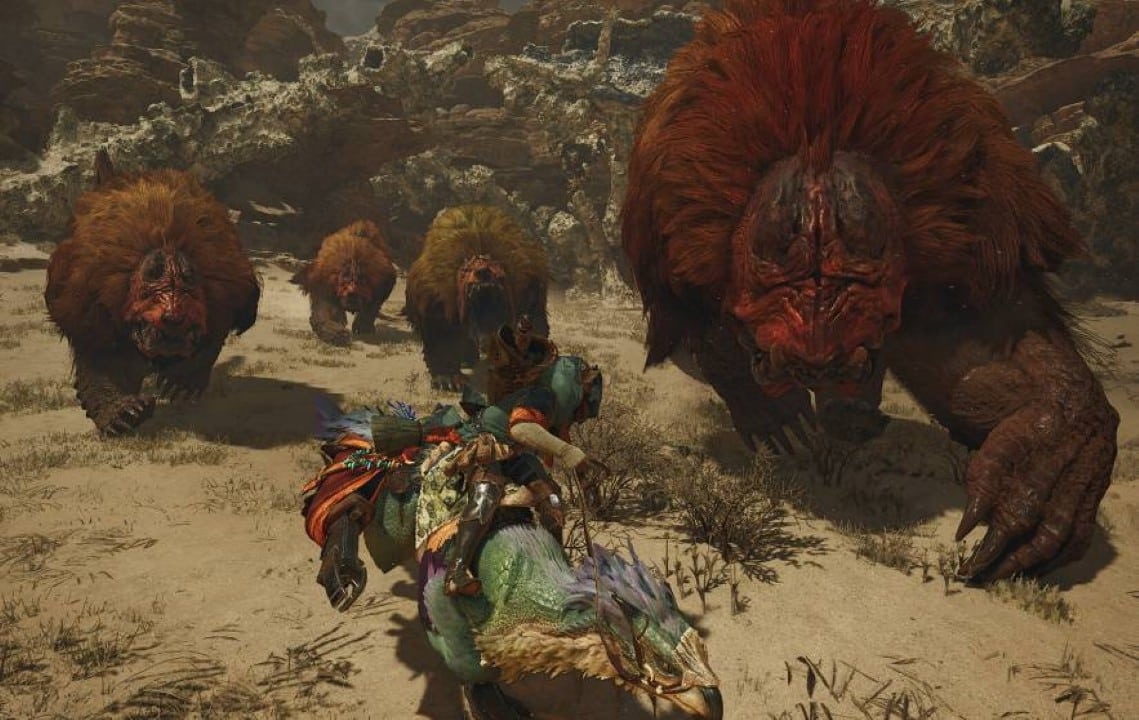
What the leak reveals about performance
The main highlight of the leak is the mention of specific optimizations for the Switch 2 hardware.
These improvements aim to allow the open, dynamic world of Monster Hunter Wilds to function fluidly in both handheld and docked mode. The strategy would be to work around the limitations of a hybrid device, ensuring a consistent and visually impressive gaming experience.
The technology behind “FastLoadMode”
The so-called “FastLoadMode” is described as a software and hardware solution to drastically reduce loading times. In an open world game like Monster Hunter Wilds, where the player moves through vast environments without interruption, data streaming speed is essential.
The technology would work similarly to the ultra-fast SSD storage solutions seen in the PlayStation 5 and Xbox Series X|S. The objective is to load new resources, textures and areas of the map instantly, eliminating loading screens that break the player’s immersion.
This functionality would be a significant generational leap from the original Switch, which often suffered from long loading times in more complex games. The implementation of a fast loading system would open the doors to much more ambitious games on the console.
Graphics optimization details in RE Engine
The leak points out that RE Engine is being adapted to use intelligent rendering techniques in Switch 2.
One of the techniques mentioned is dynamic adjustment of the “Level of Detail” (LOD). Isso means that objects far from the player are rendered with fewer polygons and details, saving processing resources. As the player gets closer, the level of detail progressively increases.
Another optimization mentioned is “occlusion culling”, a method that prevents the console from rendering objects that are hidden behind other elements of the scene, such as a mountain or a wall. Embora is a common technique, its efficient implementation is vital for good performance.
These combined strategies allow the console to focus its processing power only on what is visible on the screen, maximizing visual quality where it really matters and ensuring a more stable and fluid gaming experience for users.
Monster Hunter Wilds and the future of the console
The possibility of Monster Hunter Wilds reaching Switch 2 is a strong indication of Nintendo’s strategy of attracting large third-party developers. The success of the Monster Hunter franchise in the original Switch, with titles like Rise, demonstrated the enormous market potential for the series on the platform, and the continuation of this partnership would be natural and profitable for both parties. Ter a major release, which will also be available on competing consoles and PC, would position Switch 2 as a direct competitor and a viable option for gamers who want access to the industry’s top releases with the flexibility of handheld mode.
This leak also lines up with previous rumors about the console’s specs, which point to a custom Nvidia chip with modern technologies. Collaborating with Capcom to optimize such a robust graphics engine as RE Isso could result in a stronger and more diverse launch catalog than seen in previous generations, mixing Nintendo exclusives with major multiplatform hits.
The crucial role of upscaling technologies
One of the most important technical aspects for the success of Switch 2, and which is suggested by the leaked optimizations, is the use of upscaling technologies such as AMD’s FidelityFX Super Resolution (FSR) or, more likely, Nvidia’s Deep Learning Super Sampling (DLSS). Essas technologies are fundamental to modern consoles, especially handheld ones, as they allow the game to be rendered internally at a lower resolution (such as 720p) and then rebuilt to a higher resolution (such as 1080p or even 4K) using artificial intelligence and advanced algorithms. The result is a sharp, high-quality image that comes close to native rendering, but at a much lower performance cost. Isso frees up the GPU to focus on maintaining a stable frame rate and enabling more complex graphical effects like ray tracing. Para a device like the Switch 2, which needs to balance performance, visual quality and battery life, DLSS or similar technology is not just a luxury, but a necessity to deliver a gaming experience that can compete with tabletop platforms.
Repercussions on the games industry
Although the information should be treated as rumor, its technical and specific nature generated great optimism in the community. The prospect of a new console from Nintendo with enough power to run the same games as its competitors, but with the advantage of portability, is a scenario that pleases both fans and investors, who eagerly await an official announcement from the company.



