
Nissan reveals the new Tekton crossover, built on the platform of the popular Renault Duster By Luís Henrique Costa
6 min read
 |
Nissan is officially expanding its global SUV lineup with the introduction of the Tekton, a new crossover designed to compete in strategic markets around the world. The model appears as a proposal that seeks to combine the robustness of an already consolidated platform with the design identity and technological package characteristic of the Japanese brand, promising to shake up the segment.
This launch represents a calculated movement within Aliança Renault-Nissan-Mitsubishi, aiming to optimize production resources and strengthen the group’s presence in one of the most competitive categories in the automotive industry. The main basis for the new vehicle is the same as the successful Renault Duster, but with a completely different visual approach and set of equipment, guaranteeing a unique identity.
The strategy focuses on taking advantage of the efficiency of the CMF-B platform, already tested and approved in several markets, while offering consumers a product with the Nissan DNA. The expectation is that the Tekton will attract an audience that values versatility for urban use and the capacity for light adventures, without giving up contemporary design and connectivity and safety technologies.
The strategic importance of the CMF-B platform
The choice of the CMF-B platform (Common Module Family-B) is the central pillar of this project and demonstrates the strength of the synergy within Aliança. Desenvolvida collaboratively, this modular architecture allows intelligent sharing of components between different models and brands, resulting in a substantial reduction in development costs and production deadlines. Essa flexibility is what allows Nissan to launch the Tekton more quickly and with a potentially more competitive price positioning in the global market.
In addition to optimizing the manufacturing process, the use of a common base ensures a high standard of quality, safety and reliability, as the platform has already been extensively tested and refined in other high-volume vehicles. Para the end consumer, this translates into a car built on a solid and reliable foundation, but which delivers the design, finishing and technology features that differentiate Nissan from its partner brands, offering the best of both worlds.
Design with Nissan’s own identity
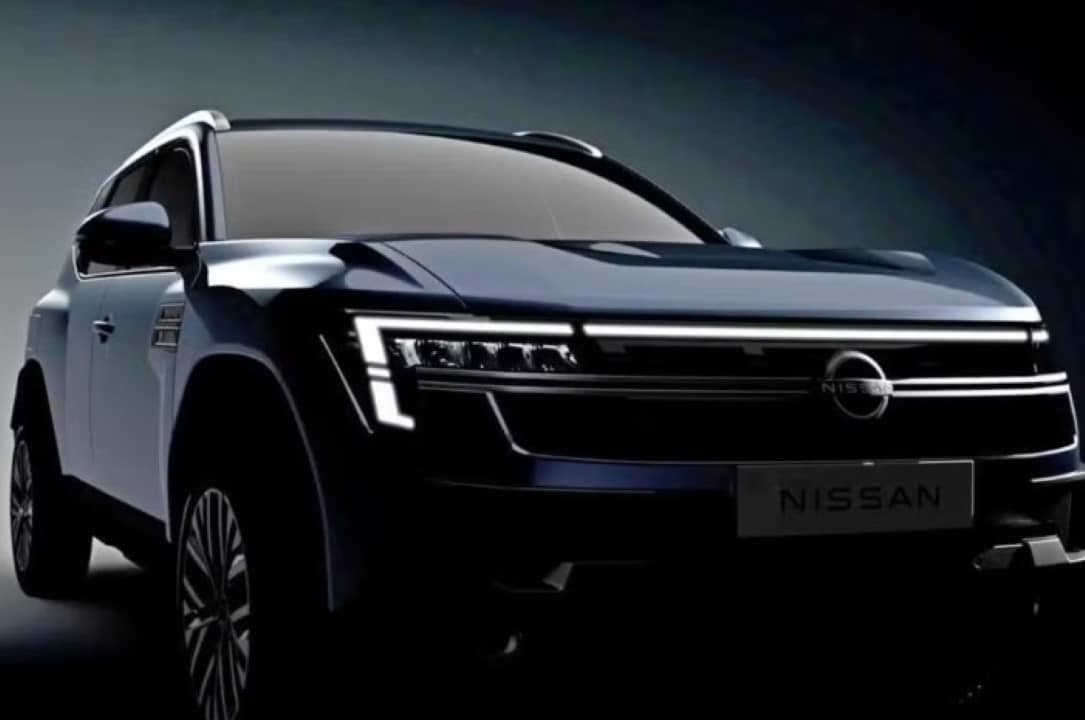
Although it shares its fundamental structure with the Renault Duster, the Nissan Tekton will feature a completely original exterior design in line with the brand’s current philosophy. Projeções and preliminary information indicate that the look will follow the “Nissan Emotional Geometry” design language, which is characterized by the prominent V-Motion front grille, an element that has become an unmistakable signature of the manufacturer’s models around the world.
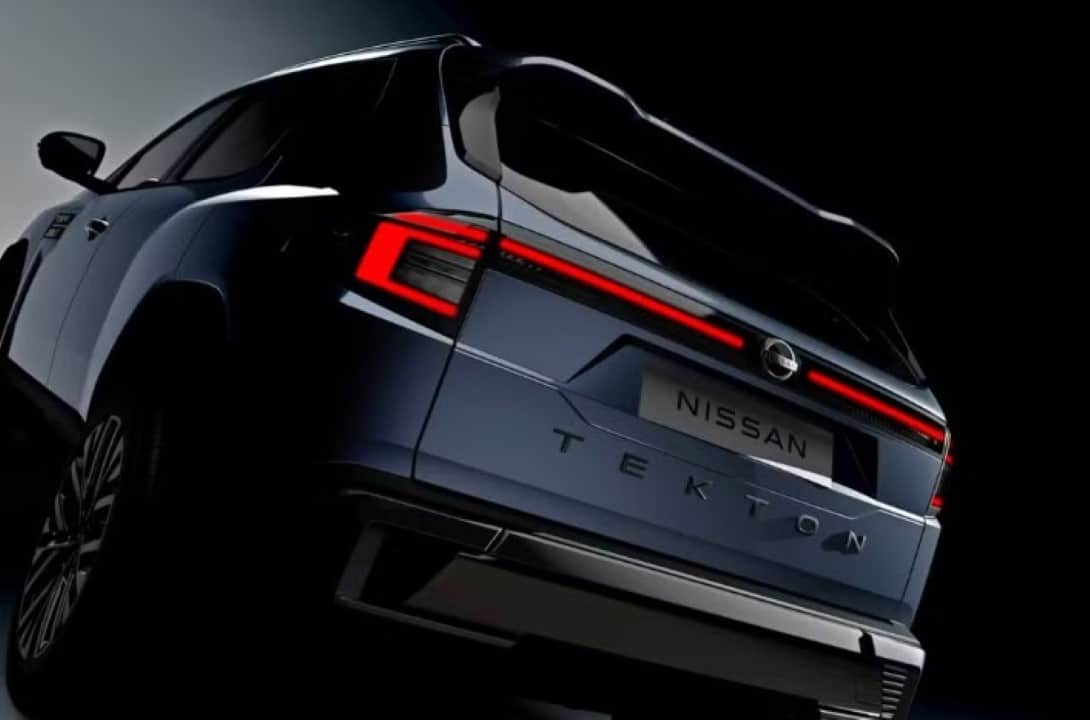
The front optical assembly is expected to consist of tapered and cut-out LED headlights, giving the crossover an aggressive and technological appearance. The side profile should display muscular lines and wheel arches with plastic protections, reinforcing its SUV character, while the rear will probably feature horizontally shaped lights that invade the trunk lid, increasing the vehicle’s sense of width and robustness.
The design team’s goal is clear: to ensure that, despite the shared foundation, the Tekton is immediately recognized as an Nissan product. The goal is to visually distance it from its “cousin” from Renault, creating its own space in the market and attracting customers who identify specifically with the aesthetics of the Japanese brand.
Technology and comfort in the interior
In the cabin, the Tekton promises to offer a modern, ergonomic and functional environment. The dashboard will be completely redesigned to house a multimedia center with a high-resolution floating screen, compatible with Android Auto and Apple CarPlay, an item considered essential for consumers who prioritize connectivity and access to navigation and music applications.
The instrument panel may be partially or fully digital in more expensive versions, providing information in a clear and customizable way for the driver. The choice of higher quality finishing materials and a more sophisticated interior design are also in the plans to increase the perception of comfort and value within the segment.
The list of convenience equipment should be one of the differentiators, including digital automatic air conditioning, a multifunctional steering wheel with a new design, multiple USB ports for charging devices, as well as keyless access and push-button start, items that are increasingly valued by customers in the category.
In terms of safety, the Tekton should come standard with stability and traction controls, multiple airbags and hill start assistant. More complete Versões will be able to offer advanced driver assistance systems (ADAS), such as frontal collision warning and autonomous emergency braking, aligning the model with global vehicle safety trends.
Expected engine and performance
The engine options for the Nissan Tekton must follow the sharing logic of the CMF-B platform, using propellants already known for their efficiency and performance in other Aliança models. The main focus is on modern turbo engines, which offer an excellent balance between performance during acceleration and restart and more contained fuel consumption, meeting strict emissions standards.
Depending on the destination market, transmission options may include a manual transmission for entry-level versions and the popular CVT automatic transmission (continuously variable) for more equipped models. The CVT transmission is known for providing a smooth and comfortable drive, especially in urban traffic, continuously optimizing engine torque.
Positioning in the global market
The Nissan Tekton will be strategically positioned at the heart of the compact SUV segment, one of the fastest growing and most competitive categories in the world. Seu launch aims mainly to strengthen the presence of Nissan in high-volume emerging markets, such as América Latina, Sudeste Asiático and Índia, where demand for this type of vehicle continues to show an upward curve. The model arrives to compete directly with strong rivals, such as the Hyundai Creta, Chevrolet Tracker and Volkswagen T-Cross, in addition to differentiating itself from its own platform brother, the Renault Duster. The Nissan strategy will be to highlight the Tekton through its exclusive design, a more comprehensive list of technological equipment and the brand’s consolidated reputation for reliability, thus attracting customers looking for a modern, safe and well-equipped vehicle. The Duster’s robust platform heritage adds a valuable selling point related to durability and ability to tackle different types of terrain, an important differentiator in regions with varying road infrastructure.
Alliance synergy in a global project
This project is a practical example of the operational efficiency of Aliança Renault-Nissan-Mitsubishi. By sharing platforms, engines and technologies, brands can drastically reduce development cycles and investment costs. Essa collaboration allows them to offer more competitive and diverse products to a wider range of consumers in different parts of the planet, responding more quickly to market demands.
Versatility for everyday life and adventure
Building on the Duster’s reputation for ruggedness and reliability, the Tekton is designed to be an extremely versatile vehicle. Ele was designed to face the challenges of daily urban traffic with agility and comfort, thanks to a well-calibrated suspension and a high driving position, which improves visibility and the driver’s feeling of safety.
At the same time, its solid construction and good ground clearance will allow for occasional forays off-road, making it a suitable option for families who enjoy weekend trips and outdoor activities. Essa duality between an urban SUV and a vehicle capable of light trails is a key attribute that Nissan will certainly explore in its marketing campaigns to attract a wide and diverse audience, which does not want to limit itself to just asphalt.











