
Risk of battery fire leads BYD to recall 89,000 Qin Plus DM-i cars in China


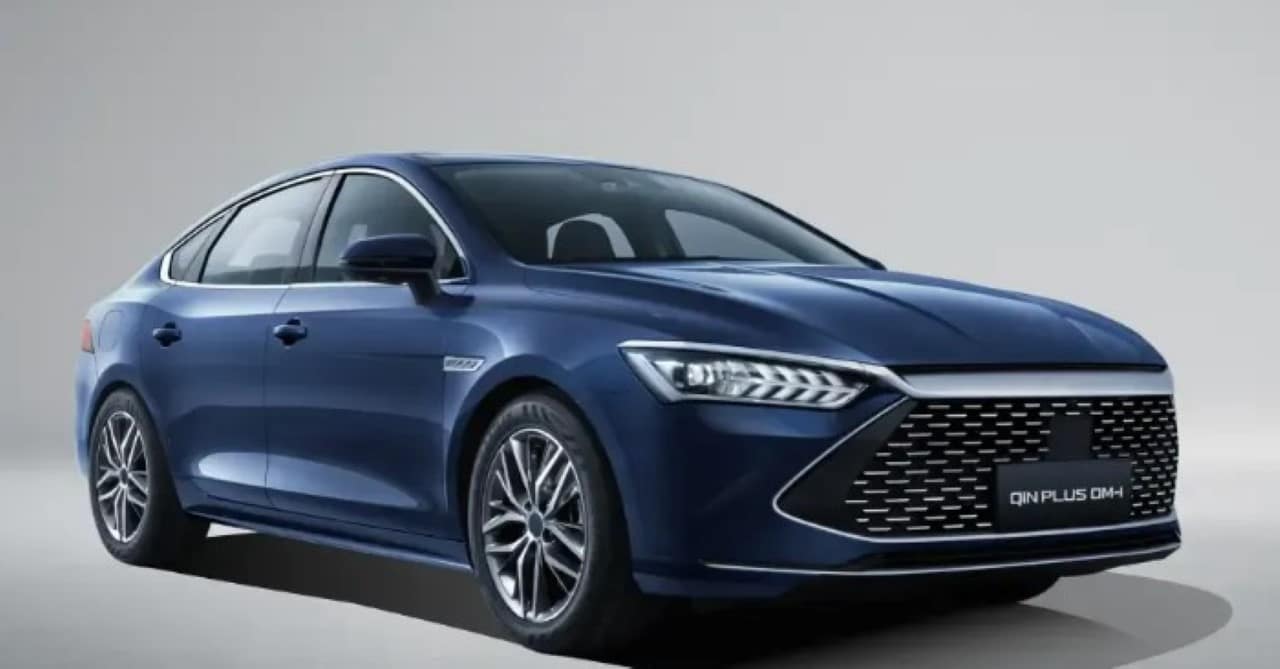
BYD, a Chinese giant and one of the largest electric vehicle manufacturers in the world, initiated a mass recall on China for 88,981 units of the Qin Plus DM-i hybrid sedan. The safety measure was motivated by the detection of a serious manufacturing flaw in the lithium battery pack, which could lead to short circuits and, in extreme cases, a potential fire risk.
The recall affects vehicles produced between January 2021 and September 2023, a production period of more than two years, highlighting the extent of the problem on the assembly line. The action was registered with Administração Estatal of Regulação of Mercado of
This recall adds to other recent recalls from the automaker, raising discussions about the quality control challenges faced by the company amid its accelerated global expansion. Battery safety is critical to consumer confidence in the electric vehicle sector.
Details about battery pack failure
The technical investigation conducted by BYD revealed that the origin of the defect is a flaw in the manufacturing process of the internal tray that accommodates the battery pack’s power cells. Essa irregularity may allow the infiltration of metallic particles, such as solder residue, inside the component. Once inside the system, these foreign bodies significantly increase the risk of an internal short circuit.
A short circuit in a high-voltage lithium-ion battery can trigger an event known as thermal runaway. Nesse process, the overheating of a cell quickly spreads to neighboring cells, generating a chain reaction that releases a large amount of energy and flammable gases, which can result in a fire in the vehicle, even when it is parked and turned off.
The solution proposed by the automaker
To correct the flaw and mitigate the risks, BYD developed a two-step solution. The first consists of a remote software update, via Over-The-Air (OTA), to the Sistema of Gerenciamento of Bateria (BMS).
This new software improves monitoring algorithms, making the system more sensitive to abnormal voltage and temperature variations that could indicate an imminent short circuit. When detecting an anomaly, the system will send audible and visual alerts to the driver, instructing him to stop the vehicle safely and contact the assistance service.
The second stage of the plan involves a physical inspection of authorized dealers. Technicians will check the integrity of the battery pack and, if any irregularity or potential damage is identified, the complete set will be replaced free of charge with a new one, at no cost to the owner.
Affected models and manufacturing period
The recall is exclusive to the Qin Plus DM-i model, one of the brand’s best-selling plug-in hybrid sedans in the Chinese market. The popularity of the vehicle makes the scale of the call even more significant for the company’s reputation.
The exact number of units involved is 88,981, all manufactured within the range from January 11, 2021 to September 29, 2023. Veículos produced outside this period are not included in the safety campaign.
It is important to highlight that, so far, the call is restricted to the China market. BYD did not inform whether units exported to other countries, including América Latina markets, use components from the same production line or whether they present a similar risk.
Owners of independently imported vehicles should pay attention to the brand’s official communications and, if possible, seek guidance from authorized service channels to verify the origin and safety of their components.
The role of the Chinese regulatory agency
Administração Estatal of Regulação of Mercado of China (SAMR) plays a fundamental role in protecting consumers in the country. The body operates rigorously in the inspection of products, from food to vehicles, and was responsible for formalizing and supervising the progress of this BYD recall.
SAMR’s intervention ensures that the automaker complies with all necessary procedures to notify owners and carry out repairs efficiently and transparently. The agency also monitors the results of the campaign to ensure that the risk to public safety is effectively eliminated.
BYD recall history
This call for the Qin Plus DM-i is not an isolated case in BYD’s recent history. The company, which leads sales of electric and hybrid vehicles globally, has faced a series of quality challenges. In October of the previous year, the brand had already recalled more than 115,000 units of the Tang DM-i and Yuan Pro models due to different problems, also related to the safety of the electrical components under the hood. In another notorious case, nearly 97,000 units of the Dolphin and Yuan Plus were recalled for repair due to a failure in the battery cooling system that could compromise the component’s sealing. Esses Consecutive events indicate that rapid production expansion may be putting pressure on manufacturer’s supply chains and quality control processes, a common challenge for exponentially growing companies in the competitive automotive sector.
Communication with vehicle owners
BYD has begun the process of notifying owners of affected vehicles through its network of authorized dealers in China. Customers are being contacted directly to schedule inspection and, if necessary, repair.
In addition, the company has made an online consultation tool available on its official website. Owners can enter the Número of Identificação of the Veículo (VIN) to instantly check if their unit is included in the scope of the recall.
Quality and accelerated brand growth
The recalls pose a significant challenge to BYD’s image, especially at a time when the brand is expanding its presence in international markets, including Europa and América Latina. The need to recall tens of thousands of vehicles for repairs can affect the perception of reliability and quality of your products.
Industry experts point out that such problems are, in part, a consequence of the extremely fast pace of production. Manter rigorous quality standards in millions of units produced annually requires massive investment in process control and supplier inspection, areas that are now under the spotlight.



