Serious defect in lithium batteries forces BYD to recall 89,000 Qin Plus DM-i cars in China
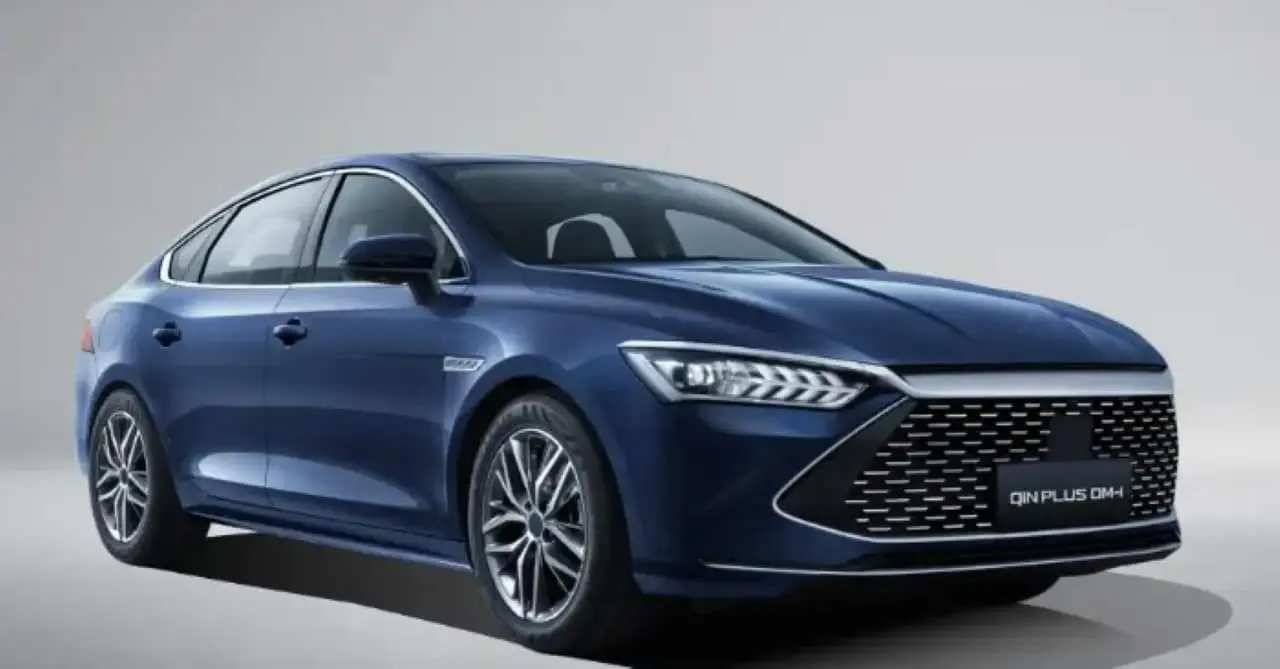
BYD, one of the world’s largest electric vehicle manufacturers, announced a large-scale recall on China involving 88,981 units of its popular plug-in hybrid sedan, the Qin Plus DM-i. The measure was motivated by the identification of a serious flaw in the manufacturing process of the lithium battery pack, which presents a potential risk of short circuit and, in extreme cases, could lead to fires, compromising the safety of the vehicle’s occupants.
The call covers models produced between January 2021 and September 2023. The action was formally registered with Administração Estatal of Regulação of Mercado of China (SAMR), the government body responsible for supervising product quality and safety in the country. Este episode raises an alert about the quality control challenges faced by the automotive giant amid its accelerated expansion in the global market.
The call highlights the growing regulatory pressure on China to ensure the safety of new energy vehicles (NEVs), a strategic sector for the Chinese government. The specific failure detected raises questions about the consistency in the production line of one of the most critical and expensive components of an electric vehicle, the battery.
]
The origin of the failure and the associated risks
According to the official statement released by BYD, the root cause of the problem lies in an inconsistency in the manufacturing process of the high voltage battery pack. Essa variation may result in premature failure of internal components, creating conditions for a short circuit to occur within the power pack. An event of this nature drastically increases the risk of thermal runaway, a self-sustaining process of overheating that can culminate in fire and the release of dangerous gases. The defect is particularly concerning because the original Sistema of Gerenciamento of Bateria (BMS) may not be able to detect the anomaly in time to alert the driver or trigger safety protocols to isolate the problem. The failure exposes a vulnerability that can manifest itself during normal vehicle operation, whether in transit or during the recharging process, expanding the spectrum of risk situations for owners.
Solutions proposed by the manufacturer
To mitigate risks and correct non-compliance, BYD outlined a two-pronged action strategy. The first measure consists of implementing an Over-The-Air (OTA) software update, which will be sent remotely to all affected vehicles.
This update enhances the Sistema of Gerenciamento of The new software is designed to issue early warnings to the driver, allowing preventive measures to be taken.
Component inspection and replacement
The second stage of the action plan involves a more direct approach. Owners of recalled vehicles will be instructed to take their cars to an authorized dealer for a detailed battery pack inspection.
If technical analysis or data collected by the updated BMS identifies any anomaly or sign of degradation related to the manufacturing defect, BYD will perform a complete battery pack replacement.
The entire procedure, including software updating, inspection and possible replacement of components, will be carried out at no cost to customers, as determined by recall legislation.
The company reinforces that the combination of remote updating with physical verification guarantees a double layer of security, seeking to restore the reliability of the propulsion system of the vehicles involved.
Recent BYD recall history
This Qin Plus DM-i recall is not an isolated event in BYD’s recent history. The company, which leads sales of electric and hybrid vehicles, has faced a series of calls that put its quality control processes into focus.
In recent years, other popular models from the brand have also been the subject of significant recalls. In October of the previous year, for example, the company recalled more than 115,000 units of the Tang DM-i and Yuan Pro models due to different problems, also related to the safety of electrical components.
In addition to these, the Dolphin model, one of the brand’s best sellers globally, and the Yuan Plus also underwent recalls to correct flaws ranging from defects in the battery cooling system to problems in the power management software.
The pressure of Chinese regulation
The increase in the frequency of recalls in the new energy vehicle sector in China reflects a significant tightening on the part of regulators. Administração Estatal of Regulação of Mercado (SAMR) has been acting increasingly proactively in monitoring and demanding higher safety standards, especially for electric and hybrid vehicles.
For the Chinese government, which heavily subsidizes and incentivizes the NEV industry as a pillar of its economic and environmental strategy, consumer safety is a top priority to maintain public trust and solidify the country’s position as a global leader in the sector. Ações quick and transparent in cases of defects are seen as essential for the long-term sustainability of the market.
Guidance for affected owners
BYD has begun the process of notifying owners of vehicles included in the recall. Communications are being sent through the company’s official channels, including direct correspondence, email and notifications via the brand’s app.
The manufacturer also made an online consultation tool available on its official website. Nesta platform, owners can enter the Número of Identificação of the Veículo (VIN) to see if their unit is among those affected by the call.
The recommendation is that, upon receiving notification or confirming the inclusion of their car in the recall, the owner contacts the nearest dealership to schedule the inspection and necessary procedures as quickly as possible.
Until the software update is installed and the physical check is completed, drivers should remain alert for any alerts or abnormal vehicle behavior, such as loss of power or warnings on the instrument panel.
Quality and accelerated expansion
The series of recalls faced by BYD highlights one of the biggest challenges for fast-growing companies: maintaining the consistency and quality of production on a mass scale. The pressure to meet growing demand, both domestically and internationally, can lead to bottlenecks in the supply chain and failures in quality control processes, resulting in defects that are only identified after vehicles reach consumers.