
Serious failure in lithium batteries forces BYD to recall 89,000 Qin Plus vehicles in China


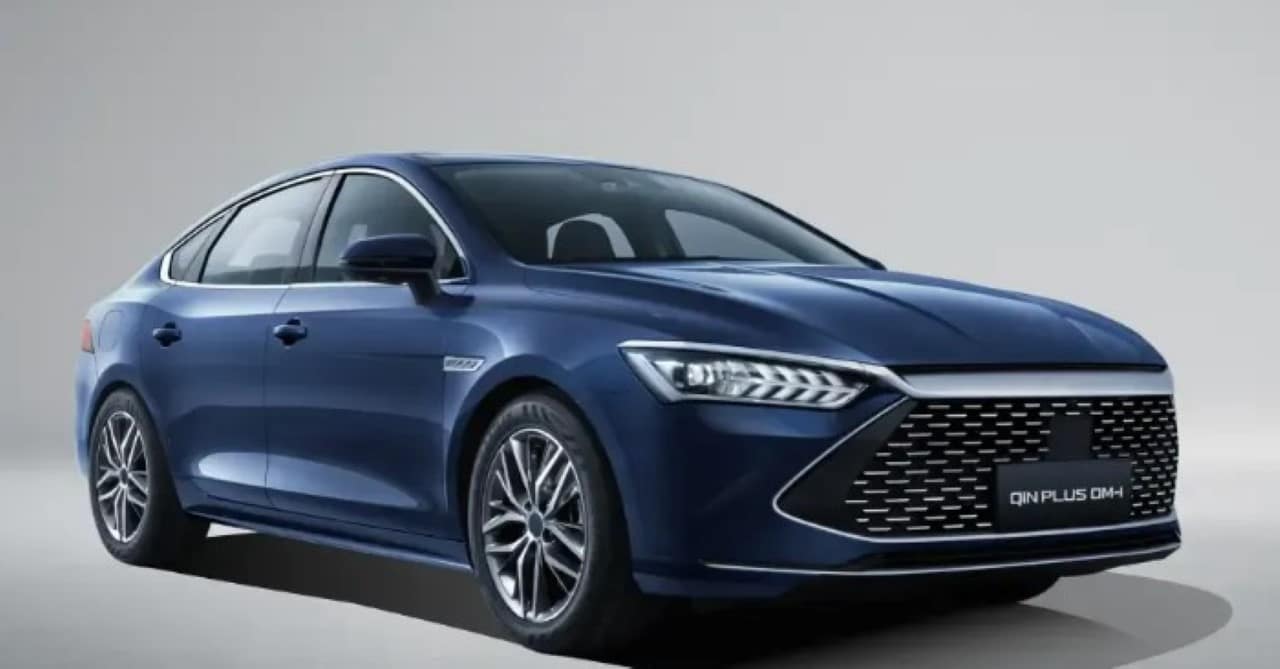
BYD, one of the largest electric vehicle manufacturers in the world, announced a massive recall involving 88,981 units of its popular plug-in hybrid sedan, the Qin Plus DM-i, in the Chinese market. The measure was taken due to a manufacturing flaw identified in the high-voltage battery pack, which represents a potential risk to the safety of occupants.
The problem, according to an official statement from the company and notified to Administração Estatal of Regulação of Mercado of China (SAMR), lies in an inconsistency in the battery production process. Esta failure can lead to an internal short circuit, resulting in overheating and, in extreme cases, a thermal runaway event, popularly known as a battery fire.
The vehicles affected by this call were produced between January 2021 and September 2023. The automaker is contacting owners so that correction procedures can be carried out as soon as possible, aiming to mitigate any danger associated with the defect. Todo the repair process will be carried out at no cost to consumers.
Technical analysis of the defect and associated risks
According to technical reports released by BYD, the root of the problem lies in a variation in the internal assembly process of the cells that make up the battery pack. Essa inconsistency can compromise the insulation between components, creating a path for short circuits to occur. Quando this happens, the stored energy is released in an uncontrolled manner, generating intense heat that can ignite the battery and vehicle materials.
The risk of thermal runaway is one of the biggest concerns in the electric vehicle industry, and early detection of such failures is crucial. The defect may manifest itself silently, without presenting any prior signs, although in some situations it may be preceded by alerts on the vehicle’s dashboard or loss of performance. The company highlighted that the recall is a preventive measure to guarantee the physical integrity of its customers and the reliability of its products.
BYD’s two-step solution
To resolve the failure comprehensively and efficiently, BYD developed an action plan divided into two main phases, combining remote technology with physical intervention. The first step is to release an Over-The-Air (OTA) software update for the Sistema of Gerenciamento of the Bateria (BMS) of all vehicles involved. Este new software improves monitoring algorithms, making the system more sensitive to abnormal variations in temperature, voltage and internal current of battery cells. With this update, the system will be able to identify potential faults earlier and issue audible and visual alerts to the driver, instructing them to stop the vehicle safely and look for a dealership. The second stage of the plan is to call owners for a physical inspection at authorized dealerships. Durante this check, technicians will perform a full battery pack diagnosis. Caso any abnormality is detected or if the component is within a production batch considered to be at greater risk, the battery pack will be replaced entirely with a new one, at no cost to the customer. Esta dual approach ensures that even vehicles that do not show immediate symptoms are properly checked and, if necessary, corrected.
The automaker’s call history
This recall of the Qin Plus DM-i is not an isolated case in the recent history of BYD, which has faced the challenges of exponential growth in production.
The previous year, the company had already carried out other important recalls, including a recall for the Tang DM-i and Yuan Pro models, also related to potential battery problems.
These events highlight the complexity involved in mass manufacturing high energy density batteries and the importance of rigorous quality control processes.
Industry experts point out that, although recalls can affect a brand’s image in the short term, transparency and agility in resolving problems are fundamental to maintaining consumer confidence in the long term, especially in a market as competitive as electric vehicles.
Regulatory measures and the role of the Chinese government
The Administração Estatal of Regulação of the Mercado (SAMR) of the China plays a fundamental role in supervising the safety of products sold in the country. The agency has stepped up its oversight of the new energy vehicle (NEV) sector, which includes electric and hybrid vehicles, due to rapid growth and the introduction of new technologies. BYD’s decision to initiate the recall was filed with SAMR, following local regulations that require manufacturers to notify authorities and consumers of defects that affect safety.
This stricter stance by Chinese regulators reflects an effort by the government to solidify the country’s reputation as a leader in the production of safe and reliable electric vehicles. Ações such as this ensure that companies continually invest in quality control and rapid response mechanisms to protect consumers, strengthening the industry as a whole on the global stage and ensuring that safety standards keep up with the rapid pace of technological innovation.
Guidance for vehicle owners
BYD has begun the process of notifying owners of vehicles included in the recall through its official channels, such as direct correspondence, emails and alerts in the brand’s app.
The company advises customers to wait for contact or actively check whether their vehicle is among those affected. Essa queries can be made on the official BYD website or through the customer service center.
For verification, it is necessary to have on hand the Número of Identificação of Veículo (VIN), which can be found on the car’s document or in places such as the base of the windshield.
Until the inspection and possible repair is carried out, drivers are recommended to pay attention to any alerts displayed on the car’s dashboard and avoid overcharging the battery in extreme temperature conditions.
Quality and expansion in the electrical market
The challenge faced by BYD with this large-scale recall illustrates a central issue for the entire electric vehicle industry: the balance between rapidly expanding production to meet growing demand and maintaining impeccable quality standards.
Battery manufacturing is a delicate process and any deviation, no matter how small, can have significant safety consequences. Empresas like BYD, which has verticalized its production and manufactures its own battery cells, faces the double challenge of innovating in technology and, at the same time, scaling production without compromising reliability.



