
Sustainable fuel F1 2026 costs 10 times more and challenges Petronas with four teams


Fórmula 1 begins a new era in 2026 with the mandatory adoption of 100% sustainable and carbon-neutral fuels. Esse advancement is part of the category’s commitment to reducing emissions by 2030. The new fuel, produced from sources such as carbon capture, municipal waste and non-food biomass, represents an important technological leap.
Production costs are expected to increase significantly compared to current fuels. Estimativas indicate that the price per liter can reach values up to ten times higher than those practiced today. The complexity of the production process directly contributes to this increase.
The transition directly affects the suppliers responsible for supplying the teams. Empresas like Petronas, which serves four teams on the grid, face the challenge of ensuring sufficient volume without compromising the logistics of operations.
Technical regulation for new fuels
FIA regulations establish that all cars use advanced sustainable fuels from the 2026 season onwards. Esses fuels must be drop-in, that is, compatible with current engines without the need for major modifications. The chemical formula remains similar to that of fossil fuels, but the origin is completely renewable.
Production involves processes such as synthesis of e-fuels and second-generation biofuels. Esses methods require more time and higher investments compared to traditional oil extraction. The limited scale of manufacturing contributes to high initial costs.
- Direct capture of carbon from the atmosphere;
- Transformation of non-recyclable urban waste;
- Use of biomass from sources that are not competitive with food;
- Independent sustainability certification.
Financial impact on team operations
The significant increase in fuel costs puts pressure on teams’ budgets. Cada car consumes hundreds of liters over the course of a race weekend. Multiplicado for 23 steps on the calendar, the accumulated impact becomes relevant even within the spending ceiling.
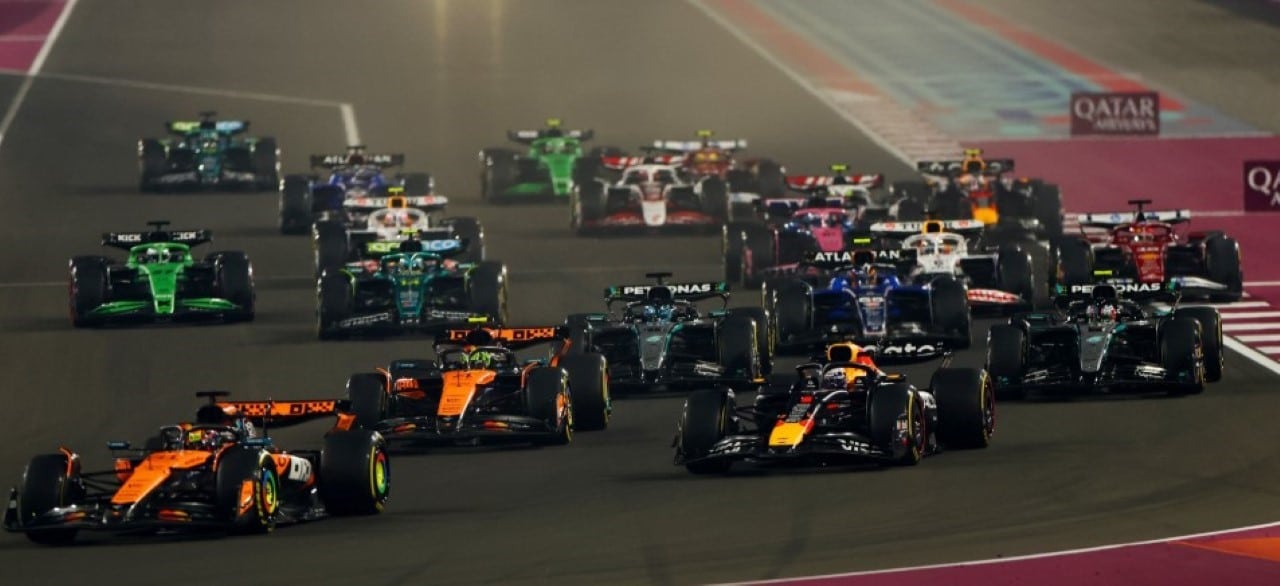
Suppliers need to expand production capacity quickly. Petronas, responsible for supplying Mercedes, McLaren, Williams and Alpine, manages the largest volume among technical partners. Essa responsibility increases logistical and financial challenges.
The FIA has authorized the use of conventional fuel during pre-season testing. Essa measure aims to reduce initial expenses while factories adjust production to scale. The decision reflects concerns about the economic viability of the transition.
Specific challenges for Petronas
Petronas maintains a long-term partnership with Mercedes and extends the supply to customer teams of the German engine. In 2026, this group includes four cars on the full grid. The total volume required exceeds that of other suppliers.
The production of sustainable fuels requires specialized facilities. The time required to synthesize each batch is longer than traditional refining. Esses combined factors create additional pressure on the supply chain.
Other suppliers face similar situations, but with lower volumes:
- Shell listens for Ferrari, Haas and the new entry Cadillac;
- ExxonMobil provides Red Bull and Racing Bulls;
- Aramco works with Aston Martin.
Recent development and testing
The F2 and F3 base categories tested versions of the sustainable fuels during 2025. The results provided valuable data for final adjustments to the Fórmula 1. The main teams carried out extensive dynamometer simulations.
Pre-season testing in 2026 partially uses conventional fuel. Essa permission allows for greater mileage without excessively increasing initial costs. The sessions collect crucial information about real-world performance on the track.
Power unit manufacturers have adapted internal components. Materiais resistant to more aggressive compositions of new fuels were incorporated. The balance between electrical power and internal combustion also received special attention.
Environmental benefits of the transition
The adoption of 100% sustainable fuels eliminates dependence on fossil sources in the operation of cars. Carbon emissions during races drop dramatically. The complete cycle, from production to burning, reaches neutrality.
The technology developed for the Fórmula 1 has application in street vehicles. Fabricantes plan to scale production to commercial markets in the coming years. The progressive reduction of costs must occur with the increase in volume.
The category reinforces its position as a technological laboratory. Investimentos in sustainability attracts new partners committed to environmental goals. The 2026 transition marks a concrete step in this direction.
Preparing teams for the new scenario
The teams adjust logistical strategies for supply. Estoques larger sizes may be required due to extended production times. Coordenação Direct contact with suppliers gains strategic importance.
Internal budgets reallocate resources to cover high initial costs. The spending ceiling was adjusted to accommodate inflation and new technical demands. Mesmo therefore, operational efficiency remains essential.
Engineers optimize consumption during races. Estratégias of hybrid power management gain additional relevance. Cada liter saved represents a direct reduction in expenses.
Outlook for the inaugural season
The 2026 season starts with all cars using exclusively sustainable fuel in races. Free practice and classifications follow the same rule. Consistency in supply will be closely monitored by the FIA.
Manufacturers continue to refine specific formulas. Pequenas allowed variations in additives provide room for performance gains. The technical competition now extends to fuel development.
The full grid prepares to adapt race tactics. Fuel weight influences pit stop decisions. Equipes with greater energy efficiency can obtain strategic advantages.
Fórmula 1 demonstrates a practical commitment to sustainability by implementing this radical change. Initial cost and production challenges are recognized. The category works to overcome them by maintaining a high competitive level.




