

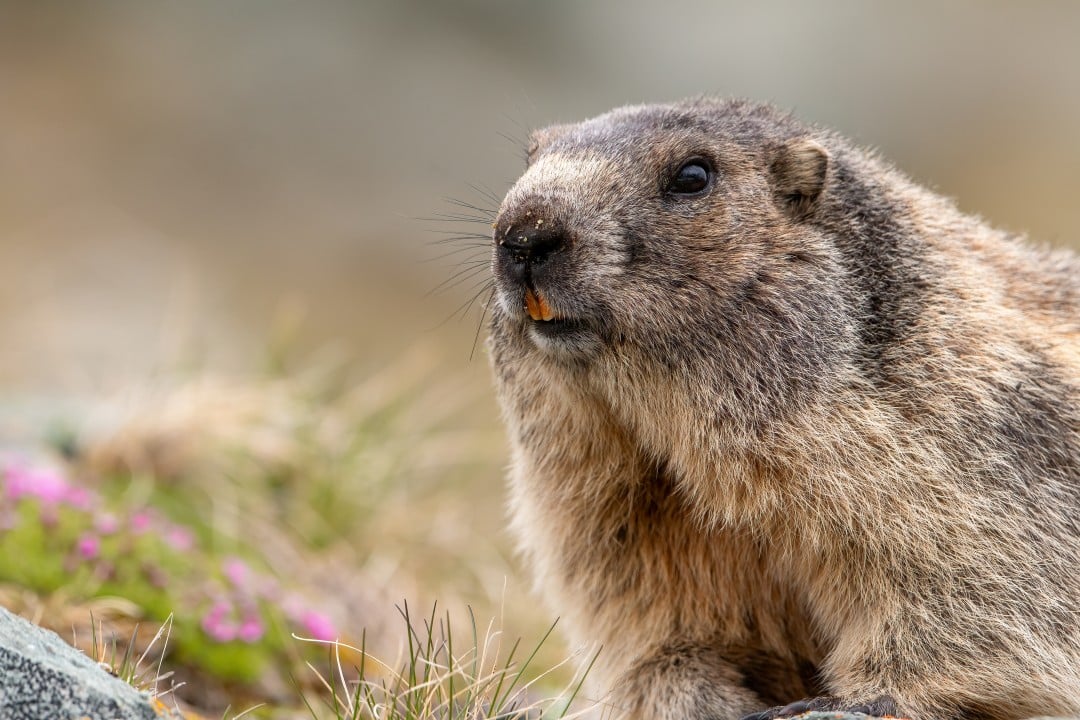
Dia of Marmota, celebrated annually on February 2, brings together thousands of people in Canadá and Estados Unidos to follow rodent predictions about the length of winter. In 2026, Canadian groundhogs overwhelmingly predicted an early spring, while the famous Punxsutawney Phil in the US predicted six additional weeks of cold.
The tradition is based on the legend that if the animal sees its shadow on a sunny day, winter will last longer. Caso otherwise, the hottest season arrives earlier. Este year, regional events highlighted climatic and cultural differences between the two countries.
Fred la Marmotte, in Quebec, and the consideration for Shubenacadie Sam, in Nova Escócia, pointed to an early end of winter. Wiarton Willie, in Ontário, also participated in the morning celebration.
Origin of the Dia tradition of Marmota
The Dia celebration of Marmota has roots in ancient European practices linked to the day of Candlemas, on February 2nd. Imigrantes Germans from Pensilvânia adapted the custom, replacing the hedgehog with local marmots, more common in América from Norte.
The modern version gained strength in Punxsutawney, in the Estados Unidos, from the end of the 19th century. No Canadá, the tradition spread to provinces such as Ontário, Quebec, and Nova Escócia, with each region adopting its own prognosticating groundhog.
Folklore combines popular meteorological elements with observations of nature. Agricultores used animal signs to plan crops, influencing rural calendars to this day.
Top groundhogs and their predictions in 2026
Fred la Marmotte, from the region of Gaspésie in Quebec, did not see his shadow during the event in Val-d’Espoir. The absence of shade resulted in the indication of a hâtif, or early, spring, according to a sign erected by a local child.
The event included music and dance performances before the rodent’s departure. Tratadores took Fred to the observation booth under the attention of the crowd gathered in the cold morning.
Shubenacadie Sam, at Nova Escócia, had its forecast affected by adverse weather conditions.
The provincial government canceled the in-person event on Parque of Vida Selvagem of Shubenacadie due to a storm warning with up to 25 centimeters of snow. Autoridades considered that Sam would not see shadow, keeping the early spring forecast by default.
Wiarton Willie, in Bruce County in Ontário, performed his prediction normally. The local rodent attracted visitors despite the typical cold of the day.
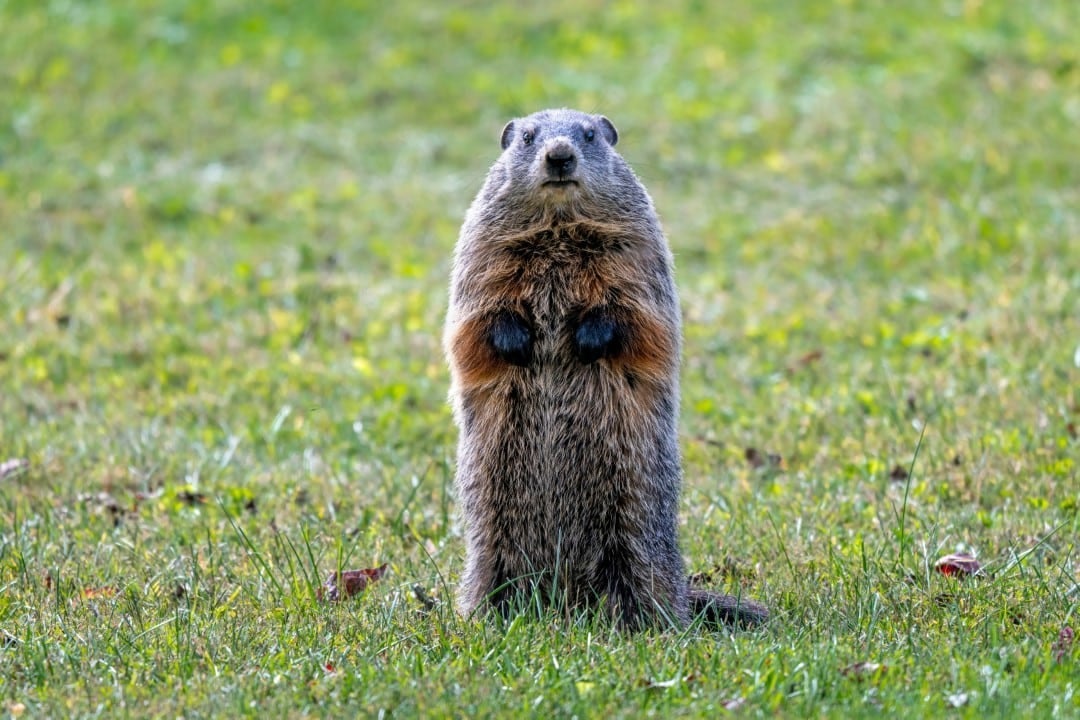
Contrast with Punxsutawney Phil in Estados Unidos
Punxsutawney Phil emerged on Gobbler’s Knob, on Pensilvânia, and saw his shadow clearly on the morning of February 2. Tradition interprets this as a sign of six additional weeks of harsh winter.
Thousands of people watched the event live, broadcast across the country. Phil maintains a history of forecasts mostly extending winter over decades.
The divergence between Phil and Canadian marmots reflects regional variations in climate. Áreas further north, like Quebec and Nova Escócia, record different patterns than those observed in Pensilvânia.
Regional events and Canadian variations
In addition to the main groundhogs, other figures participate in the celebrations at Canadá. Lucy the Lobster, in Barrington Passage in Nova Escócia, has been part of the local festival since 2018 with alternative forecasts.
Lobster Crawl combines gastronomy and coastal folklore. The prognosticating lobster initiates annual community activities.
In Ontário, Wiarton Willie celebrates milestone in 2026. Local tradition approaches seven decades of continuous predictions.
- Fred la Marmotte: early spring in Quebec.
- Shubenacadie Sam: early spring due to absence of event in Nova Escócia.
- Wiarton Willie: participation confirmed with regional forecast at Ontário.
- Lucy the Lobster: festive addition to the Atlantic coast.
Historical forecast accuracy
Studies on Punxsutawney Phil indicate accuracy of around 39% compared to official meteorological data. The brand reflects more symbolic character than scientific precision.
In Canadá, groundhogs like Wiarton Willie show similar rates in long-term analysis. Fatores how geographic location influences statistical probabilities.
Experts at Environment Canada and equivalent services in the US emphasize predictions based on climate models. Tradition maintains cultural value despite practical limitations.
Cultural impact and current celebrations
Dia by Marmota inspires festivals with music, food and family attractions in multiple cities. Transmissões live expands reach to millions of viewers.
In Canadá, events reinforce regional identity in Atlantic and central provinces. Quebec highlights Francophone elements in the presentation of Fred.
The date gained global recognition with references in media and entertainment. Celebrações of 2026 remained public despite harsh winter conditions in some areas.
Famous Groundhogs Through the Years
Punxsutawney Phil remains the most internationally known rodent since the 19th century. The Inner Circle takes care of the tradition at Gobbler’s Knob annually.
Wiarton Willie started predictions in the 1950s at Ontário. The local albino became a symbol of the city of Wiarton. Shubenacadie Sam has worked at Nova Escócia since 1987. Fred la Marmotte has represented Quebec for several seasons.
The succession of animals maintains continuity even with the exchange of individuals. Cada marmot receives its own name and personality in local narratives.
The Dia of Marmota 2026 highlighted contrasts between North American forecasts. Canadenses were inclined towards spring optimism while Phil indicated persistence of the cold.
The tradition continues to unite communities around centuries-old folklore. Eventos annually preserve immigrant customs adapted to the continent.



