
BYD recalls 89,000 Qin Plus cars due to risk of battery electrical failure


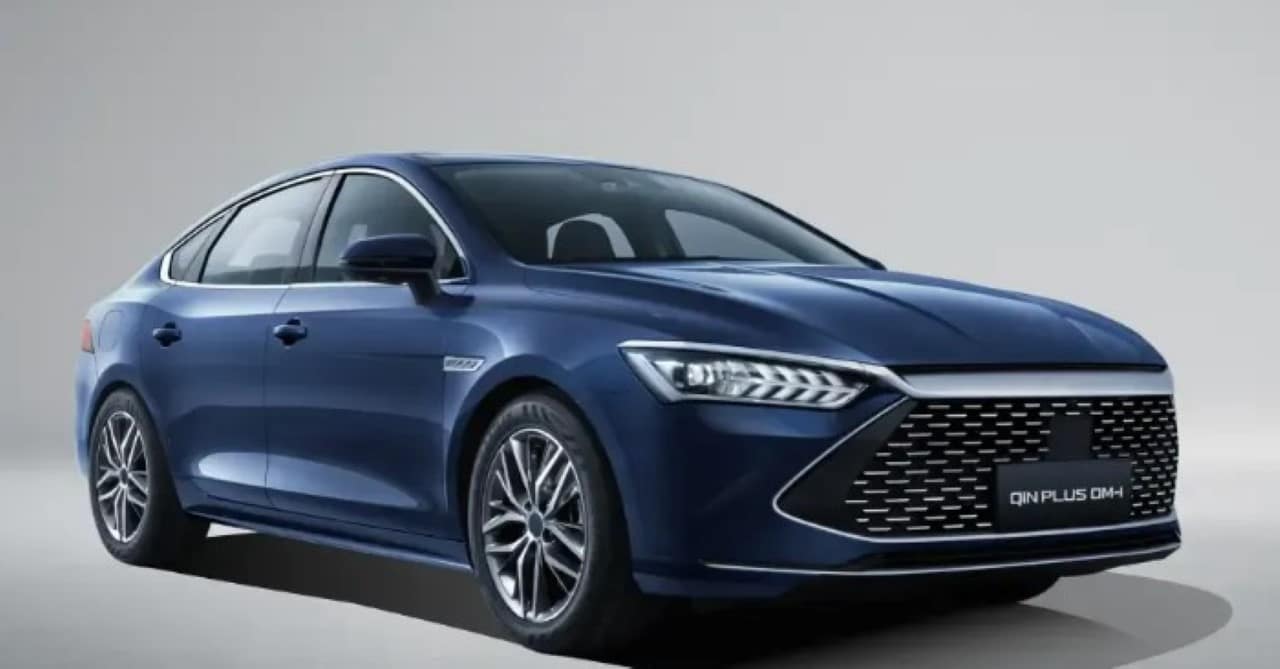
Chinese manufacturer BYD announced a large-scale recall involving 88,981 units of its popular plug-in hybrid sedan, the Qin Plus DM-i. The measure was officially communicated to Administração Estatal of Regulação of Mercado of
The problem identified by the automaker is related to an inconsistency in the manufacturing process of a small part of the battery packs. Essa variation can compromise the internal insulation of the cells, making the system vulnerable to electrical failures. The company has already started the process of notifying owners so that the necessary corrections can be made free of charge.
In the most extreme scenarios, the defect can cause an internal short circuit, increasing the risk of a thermal runaway event, popularly known as a battery fire. The company developed a two-phase action plan to mitigate risks and ensure the safety of its customers, combining software updates with physical component inspections and replacements.
Technical details of battery failure
Technical investigation conducted by BYD revealed that under certain usage and stress conditions, such as high power demands or long periods of operation, insulation failure could not be adequately managed by the vehicle’s software. The report presented to the Chinese regulatory agency details that the main problem lies in a variation that can occur during the production of battery packs. Essa condition increases the risk of a sudden interruption in the power supply to the electric motor, which could surprise the driver in heavy traffic situations or in maneuvers that require an immediate response from the vehicle. Além In addition, in-depth analysis found that the failure, although rare, creates a path for possible localized overheating, which acts as a trigger for thermal instability, one of the most significant challenges to the safety of electric and hybrid vehicles around the world.
The two-phase solution implemented by BYD
To resolve the issue comprehensively and minimize the impact on customers, BYD structured an action plan divided into two distinct steps. The first step is to implement a software update via over-the-air (OTA). Este new software is designed to enhance the ability of the Sistema of Gerenciamento of Bateria (BMS) to monitor the health and performance of each individual cell. With more sensitive algorithms, the system will be able to detect early signs of electrical inconsistency, alerting the driver through the vehicle’s dashboard and recommending a visit to the dealership before a serious fault occurs. Essa proactive approach allows many problems to be identified and prevented remotely.
The second phase of the plan is preventive and corrective in nature. Após the software update, if the improved system detects any anomaly or if the vehicle belongs to a production batch considered to be at greater risk, the owner will be instructed to take the car to an authorized dealer. On site, specialized technicians will perform a detailed inspection of the battery pack. If the presence of the manufacturing defect is confirmed, the entire battery pack will be replaced free of charge. The company assured that all costs associated with inspection and replacement of components will be fully covered by the manufacturer, ensuring that there will be no burden for affected consumers.
Recent call history
This recall of the Qin Plus DM-i is not an isolated event for BYD in recent months. The automaker has faced a series of calls that reflect the challenges associated with accelerated production growth.
In October, the company had already recalled 115,299 units of the Tang DM-i and Yuan Pro models due to a potential fire risk linked to a battery component.
Previously, in September, another 96,853 vehicles of the Dolphin and Yuan Plus models were recalled to correct a problem in the electric steering control unit, which could compromise driving safety.
Regulation and the Chinese electric vehicle market
BYD’s wave of recalls comes at a time of intensified oversight by Chinese regulators, who are increasingly focused on the safety of Veículos and Nova Energia (NEVs).
SAMR, in particular, has demonstrated a more rigorous stance towards the quality and safety of critical components, especially lithium-ion batteries, which are fundamental to the electric vehicle industry.
This increased surveillance is not limited to BYD. Outras Industry giants such as CATL and CALB, which supply batteries to numerous automakers, are also under closer scrutiny to ensure their production processes meet increasingly demanding safety standards.
The Chinese government’s aim with this stricter approach is to strengthen consumer confidence and mitigate the risks associated with the rapid expansion of the market, which is already the largest in the world for electric vehicles.
How owners should proceed
BYD stated that it will contact directly the owners of the vehicles included in the recall through its official communication channels, such as mailings and apps.
To proactively check whether a vehicle is affected, owners can check the Número of Identificação of Veículo (VIN) on BYD’s official website or contact BYD’s customer service center.
The Qin Plus DM-i model
The BYD Qin Plus DM-i is one of China’s best-selling plug-in hybrid models, recognized for its high energy efficiency and combined range. The sedan’s success is an important pillar in BYD’s dominance strategy in the PHEV segment.
This recall is particularly sensitive to the brand’s image among consumers, given the sales volume and popularity of the model in the domestic market.
Manufacturer’s sales performance
Despite production-related challenges, BYD’s commercial performance remains solid, with the automaker recording continued growth in its sales and consolidating its leadership position in the global electrified vehicle market.



