
BYD recalls 89,000 Qin Plus DM-i cars in China due to risk of lithium battery fire


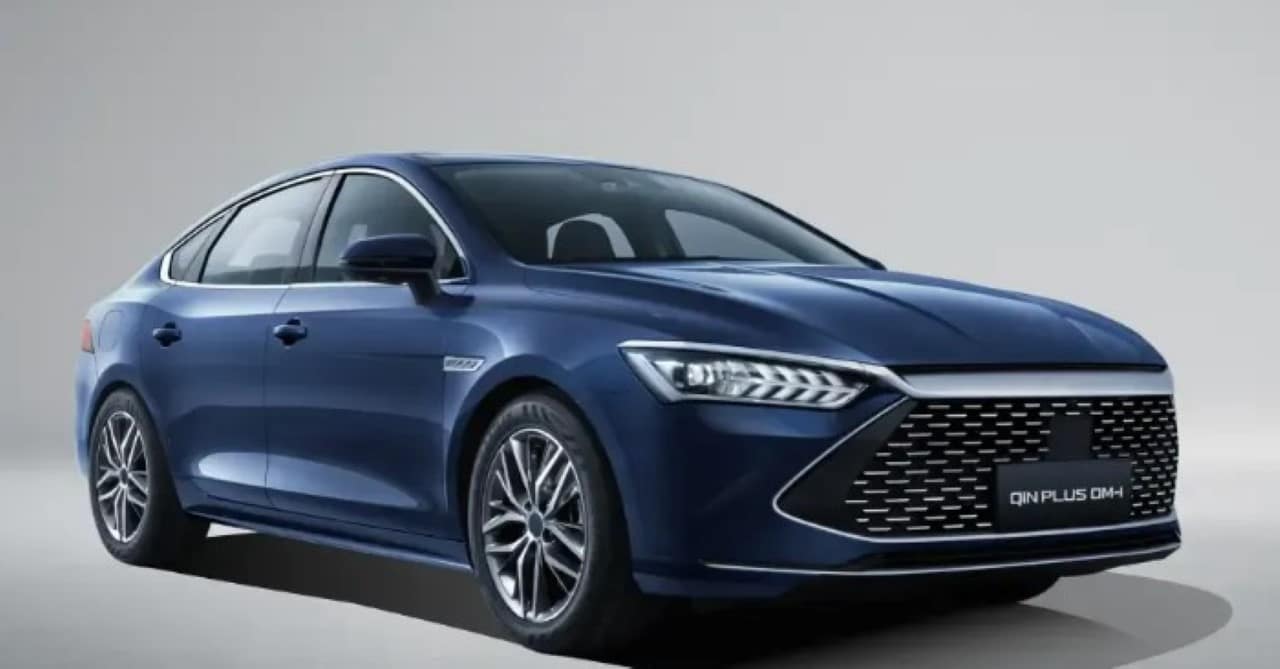
BYD, one of the world’s largest electric vehicle manufacturers, announced a large-scale recall on China involving 88,981 units of its popular hybrid sedan, the Qin Plus DM-i. The measure was motivated by the identification of a serious defect in the manufacturing process of the lithium battery pack, which presents a potential risk of short circuit and, in extreme cases, could lead to fires, compromising the safety of the vehicle’s occupants.
The call covers models produced between January 13, 2021 and September 26, 2023. The action was officially registered with Administração Estatal of Regulação of Mercado of China (SAMR), the government body responsible for monitoring product quality and safety in the country. Este episode raises an alert about the quality control challenges faced by the automotive giant amid its rapid global expansion and the exponential increase in its production.
The Qin Plus DM-i is one of BYD’s best-selling models in its domestic market, and is crucial to the company’s new energy vehicle (NEV) popularization strategy. The recall, therefore, represents a significant movement for both the brand’s image and consumer confidence in the sector, which is strongly encouraged by the Chinese government.
The origin of the failure and the associated risks
According to the official statement released by BYD and SAMR, the main cause of the problem lies in an inconsistency in the production process of the high voltage battery pack. Essa variation can result in premature failure of internal components, creating conditions conducive to the occurrence of a short circuit within the power pack.
A short circuit event in lithium-ion batteries is particularly dangerous as it can trigger a process known as thermal runaway. Nesse phenomenon, the overheating of a battery cell generates a chain reaction that spreads to neighboring cells, raising the temperature in a drastic and uncontrolled way.
The most serious consequence of thermal runaway is the risk of fire or even explosion of the battery pack, with the release of toxic and flammable gases. The identified fault is worrying because it can manifest itself during normal use of the vehicle, whether in transit or during the recharging process, expanding the spectrum of risk situations for owners.
To make matters worse, the defect may compromise the effectiveness of Sistema of Gerenciamento of Bateria (BMS). The system, which acts as the brains of the power pack, may not be able to detect the anomaly in time to issue an alert to the driver or trigger safety protocols to isolate the problem, making the failure silent until it is too late.
Two-step corrective action
To mitigate risks and correct non-compliance, BYD outlined a two-pronged action strategy, combining a remote solution with detailed physical verification. The first measure consists of implementing an Over-The-Air (OTA) software update, which will be sent to all affected vehicles. Esta upgrade enhances the Sistema Gerenciamento Bateria (BMS) algorithms, increasing their diagnostic capability and sensitivity to identify voltage and temperature irregularities that may indicate an imminent risk of short circuiting. The new software is designed to issue early warnings to the driver and activate precautionary measures more efficiently. Contudo, the software update alone does not resolve the potential physical failure of the components. Therefore, the second stage of the recall is fundamental and involves a more direct approach. Owners of recalled vehicles will be instructed to take their cars to an authorized dealer for a thorough inspection of the battery pack. Durante this procedure, specialized technicians will perform advanced diagnostics to evaluate the integrity of the components. Caso technical analysis or data collected by the updated BMS identifies any anomaly or sign of degradation related to the manufacturing defect, BYD will perform a complete and free replacement of the entire battery pack. The company reinforced that the entire process, including updating, inspection and possible replacement of parts, will have no cost to customers.
Context of other manufacturer recalls
This Qin Plus DM-i recall is not an isolated event in BYD’s recent history. The company, which leads sales of electric and hybrid vehicles, has faced a series of calls that highlight the challenges of maintaining strict quality control in the face of mass production and accelerated growth.
In recent years, other popular models from the brand have also been the subject of significant recalls. For example, the Tang DM-i and Yuan Pro models were recalled due to issues related to the safety of electrical components, while the Dolphin, one of the brand’s best-selling electric cars globally, underwent recalls to correct flaws ranging from the battery cooling system to issues in the power management software.
These recurring incidents suggest that the speed of BYD’s expansion may be putting pressure on its supply chain and internal verification processes. Manter Consistency in the quality of millions of complex components, such as batteries, is one of the biggest challenges for any large-scale automaker, and BYD is at the center of this trial by fire.
Increasing regulatory pressure on China
The frequency of recalls in the new energy vehicle (NEV) sector has led to a tightening of supervision by Chinese authorities. Administração Estatal of Regulação of Mercado (SAMR) has been acting increasingly proactively in monitoring the industry, demanding higher safety standards and transparency from manufacturers. The agency has intensified investigations and pushed for quick corrective actions whenever defects are identified that could put consumers at risk.
For the government of Pequim, the NEV sector is a strategic pillar of its economic and environmental policy. China has invested heavily to become a world leader in the production and adoption of electric vehicles, and consumer safety is seen as a key factor in sustaining public confidence and the long-term viability of the market. Ações of strict inspections are therefore a way of protecting citizens and, at the same time, consolidating the global reputation of Chinese brands as producers of reliable and safe technology.
Measures for affected owners
BYD has already begun the process of notifying owners of vehicles included in the recall. Communication is being carried out through the company’s official channels, including direct correspondence, emails and alerts through the brand’s app. It is essential that owners of an Qin Plus DM-i manufactured in the specified period pay attention to these announcements.
Additionally, the manufacturer made an online consultation tool available on its official website. Nesta platform, owners can enter the Número of Identificação of the Veículo (VIN) to instantly check whether their unit is among those affected by the recall. The recommendation is that, upon receiving notification or confirming the inclusion of the vehicle in the recall, the owner contacts the nearest dealership to schedule the inspection and necessary procedures as quickly as possible.
Challenges of accelerated growth
The series of recalls faced by BYD illustrates one of the biggest dilemmas for fast-growing companies: balancing expanding production to meet growing demand with maintaining impeccable quality standards. The pressure to launch new models and increase manufacturing volume can sometimes lead to bottlenecks in the supply chain and failures in control processes, resulting in defects that are only discovered after the vehicles are in the hands of consumers.



