


Health authorities from Índia confirmed two cases of infection with the Nipah virus in the state of Bengala Ocidental, reactivating the global surveillance alert for the disease, which has a high fatality rate and still does not have a vaccine or specific treatment for humans. The new records raised a signal of concern in international agencies, given the virus’s potential to cause severe outbreaks with human-to-human transmission.
Immediately after confirmation, local health teams began a rigorous contact tracing protocol, placing more than 200 people under observation to monitor the possible emergence of symptoms. The measure aims to contain the spread of the virus in the region, which has faced sporadic outbreaks in the past, and prevent the disease from spreading to more densely populated areas.
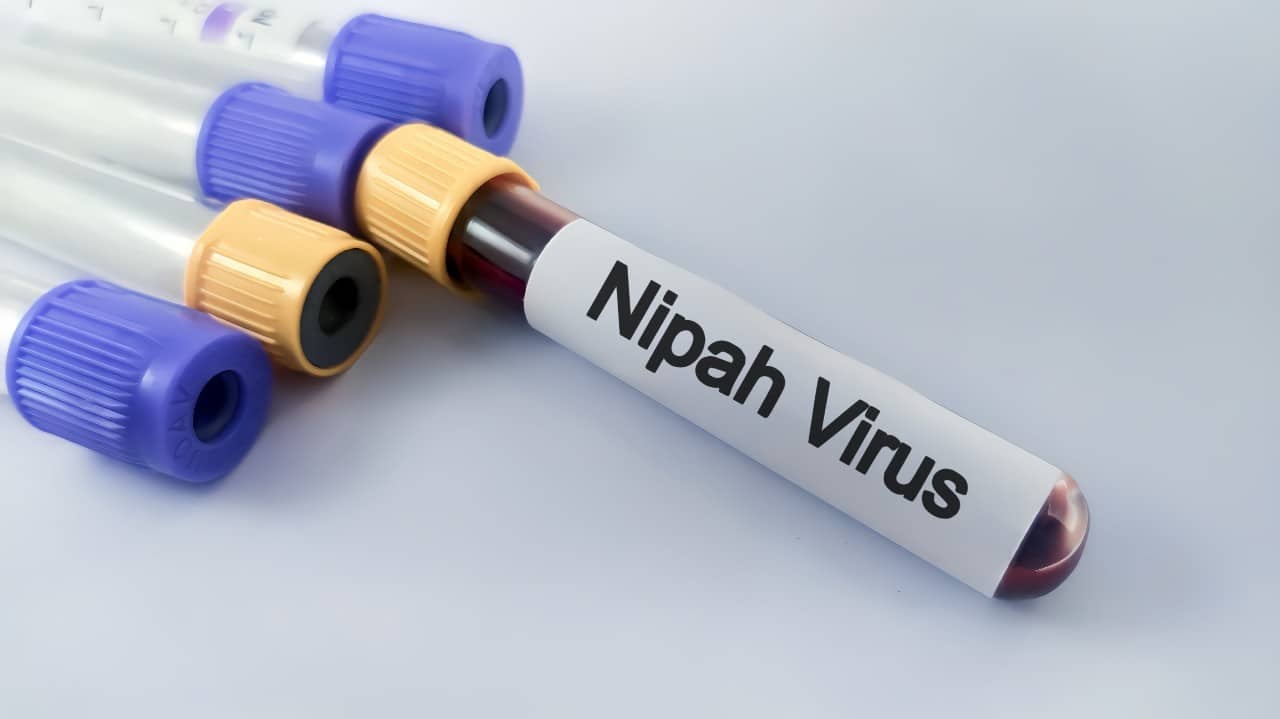
The Nipah virus is classified by Organização Mundial of the Saúde (WHO) as a priority disease for research and development due to its epidemic potential. Transmission occurs mainly through contact with bodily fluids from fruit bats, infected pigs or directly from person to person, which makes controlling outbreaks a complex challenge in communities with close contact.
Characteristics and symptoms of the infection
Nipah is a zoonotic virus, that is, transmitted from animals to humans. Sua mortality rate is alarming, varying between 40% and 75% depending on the outbreak and local medical response capacity. Atualmente, the available treatment is only supportive, focused on relieving symptoms and preventing secondary complications, as there is no specific approved antiviral.
The initial symptoms of the infection can be confused with those of a common flu, including high fever, headaches and muscle pain. However, the disease can quickly progress to severe respiratory distress and encephalitis, an inflammation of the brain that can cause disorientation, drowsiness, seizures and, eventually, lead to coma and death.
History of outbreaks in the region
The first identification of the Nipah virus occurred in 1998, during an outbreak among pig farmers in Malásia. Desde then, the disease has been recorded almost annually in different parts of Ásia, especially in Bangladesh and Índia. Essa recurrence demonstrates the continued presence of the virus in its natural reservoirs in wildlife.
In Índia, the state of Kerala has been the scene of notorious outbreaks in recent years, which has allowed the country’s health authorities to develop more agile response protocols. Previous outbreaks in Bengala Ocidental, recorded in 2001 and 2007, have also provided valuable lessons, although the current situation requires renewed vigilance due to the constantly evolving epidemiological landscape.
The experience gained from these past events is critical to implementing effective containment strategies. Isso includes rapid isolation of suspected cases, transparent communication with the population and collaboration with international experts to better understand the virus transmission dynamics in each new episode.
Transmission risks and vulnerable groups
The main route of transmission of the Nipah virus to humans occurs through direct contact with infected animals, such as bats of the Pteropus genus (known as flying foxes) or pigs that act as intermediate hosts. Consumption of fruit or palm sap contaminated with saliva or urine from these bats is a common source of infection.
Once the virus infects a human, person-to-person transmission becomes a major concern. Contagion can occur through close contact with an infected patient, especially through bodily fluids such as saliva, blood or respiratory secretions. Isso places healthcare professionals and family members who care for patients in a very high-risk group.
Rural communities, where contact with animals and the consumption of unprocessed agricultural products are more frequent, are particularly vulnerable. The lack of adequate healthcare infrastructure in these areas can make early diagnosis and isolation of cases difficult, favoring the spread of the virus before control measures can be fully implemented.
Surveillance in slaughterhouses and animal markets is also a crucial strategy, as exposure to infected pigs was a driving factor in the original outbreak in Malásia. Garantir safe animal handling practices and rigorous hygiene are essential steps to prevent the virus from “jumping” into the human population.
Containment and surveillance measures adopted
Indian authorities, in coordination with Centro Nacional of Controle of Doenças, are intensifying epidemiological surveillance in Bengala Ocidental and neighboring states. Amostras of patients with compatible symptoms are being collected and analyzed in high security laboratories to ensure a quick and accurate diagnosis, which is vital for clinical management and control of spread.
In addition to contact tracing, public awareness campaigns were launched to inform the population about the risks and preventive measures. Recommendations include avoiding consumption of raw date palm sap, washing fruits thoroughly before eating, avoiding contact with sick bats and pigs, and seeking immediate medical attention when experiencing symptoms such as fever and altered mental status.
The global search for a vaccine
The absence of a licensed vaccine against the Nipah virus remains one of the biggest challenges to global health security. The reappearance of cases in Índia reinforces the urgency of accelerating research in this field. Diversas research institutions and biotechnology companies around the world are working on developing vaccine candidates, with some already in early phases of human clinical trials. The Coalizão to Inovações in Preparação to However, the path to large-scale approval and distribution is still long and complex, requiring continued investment and international collaboration. Sporadic outbreaks, while deadly, make it difficult to conduct large-scale efficacy trials, making the development process slower compared to more prevalent diseases.
Recommendations for the local population
For residents of the affected and surrounding areas, health authorities have issued clear guidelines to minimize the risk of infection. The main recommendation is to keep away from sick animals, especially pigs, and report any unusual animal deaths to local veterinary authorities.
Strict personal hygiene, such as frequent hand washing with soap and water, is essential, especially after contact with any sick animal or person. Também It is advisable to cook food well and ensure that water for consumption is from a safe source to avoid any type of contamination.
The role of fruit bats in the spread
Fruit bats of the genus Pteropus are the natural reservoir of the Nipah virus, but they do not usually show signs of the disease. Agricultural expansion and deforestation have increased the likelihood of contact between these animals, livestock and humans, creating more opportunities for the virus to cross the species barrier and cause outbreaks.



