


NASA began a critical procedure for the future of human space exploration this Monday, February 2, 2026. Teams at Kennedy Space Center, at Flórida, began the full fueling test of the Space Launch System (SLS) megarocket, a simulation known as a “wet dress rehearsal.” The operation is one of the last major milestones before the launch of the Artemis 2 mission, which will take four astronauts on a journey around Lua.
The procedure, carried out on the historic Plataforma of Lançamento 39B, involves loading more than 2.6 million liters of cryogenic propellants — supercooled liquid oxygen and liquid hydrogen — into the rocket’s tanks. Todo the process simulates the real countdown of a launch, stopping moments before the engines ignite, allowing engineers to validate all vehicle systems and ground infrastructure.
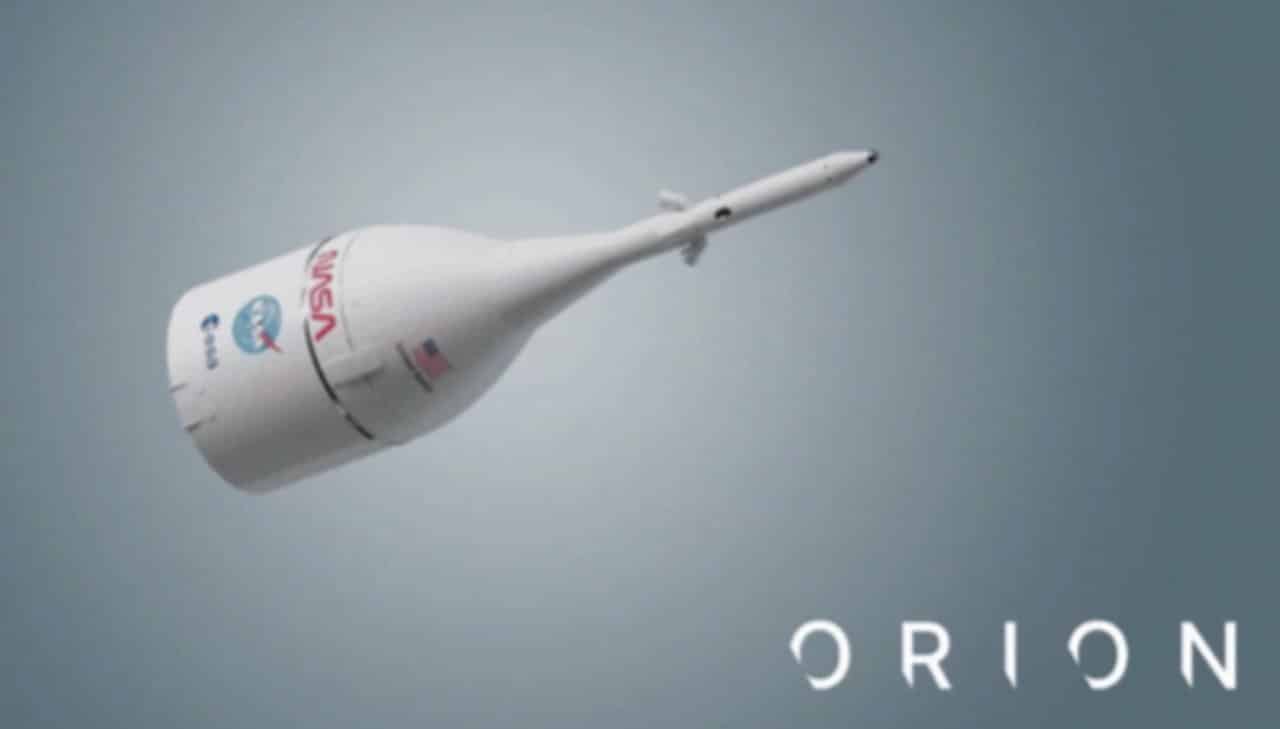
The US space agency is broadcasting the event live, allowing the public to follow progress in real time. Especialistas monitor each step to ensure fuel safety and efficiency, while validating the performance of the SLS rocket and the Orion capsule, which will be atop the launcher during the crewed mission.
Wet dress rehearsal procedures
Activities for the crucial test began over the weekend, with initial preparations that included connecting the umbilical cables from the mobile launch tower to the rocket. Esses cables are responsible for providing energy, data and, mainly, propellants to the space vehicle. The first step consisted of cooling the transfer lines to avoid thermal shocks that could damage the system during the flow of liquids at extreme temperatures.
On Monday afternoon, the slow process of fueling the SLS core stage began. Após initial safety checks confirmed the absence of significant leaks, teams received authorization to advance to the “rapid fill” phase, accelerating the flow of propellant into the rocket’s main tanks.
The countdown simulation is one of the most important moments of the test. Ela advances to approximately 30 seconds before “launch”, allowing flight control software and ground crews to execute the complete launch sequence. Durante all the time, sensors monitor pressures and flows to identify any anomalies that need to be corrected before the actual mission.
This rehearsal is essential to ensure that all modifications and learnings from the unmanned Artemis 1 mission were successfully implemented. The validation of these systems is an essential requirement to guarantee the safety of the crew that will travel on board the Orion.
Technical challenges in loading propellants
Liquid hydrogen, one of the fuel components of the SLS, represents a significant technical challenge due to its nature. Suas molecules are extremely small, which makes them prone to leaking through seals and connections that would be tight to other fluids. Problemas hydrogen leaks were a constant source of delays during the Artemis 1 mission test campaign, requiring multiple fueling attempts.
In the previous mission, it took four wet general tests to finally resolve the detected leaks. Essas failures forced NASA to return the rocket to Edifício of Montagem of Veículos (VAB) on three occasions for complex repairs. Para to Weather conditions also play a crucial role, with strict safety criteria prohibiting operations in the event of lightning storms or temperatures outside operational limits.
The crew selected for Artemis 2
The Artemis 2 mission will be commanded by Reid Wiseman, an experienced NASA astronaut who has already participated in missions on Estação Espacial Internacional. Ele will be accompanied by pilot Victor Glover, who also has extensive experience in long-duration space flights aboard the orbiting laboratory. The team is complemented by mission specialist Christina Koch, who holds the record for the longest continuous spaceflight by a woman. Fechando the quartet is mission specialist Jeremy Hansen, from Agência Espacial Canadense, whose participation reflects the collaborative and international nature of the Artemis program. Esses four explorers will be the first humans to travel beyond Terra’s low orbit since the end of the Apollo program, opening a new chapter in lunar exploration. The intensive training they underwent prepared them to operate the Orion capsule in all phases of the mission, from launch to high-speed return through the Earth’s atmosphere.
Importance of the SLS rocket in the Artemis program
The Space Launch System is the most powerful rocket ever built by NASA, designed specifically for deep space missions. Sua’s ability to launch heavy payloads, such as the Orion capsule together with its service module, is essential to enable the return of humans to Lua and, in the future, to Marte.
In its current configuration, known as Bloco 1, the SLS uses a massive core stage equipped with four RS-25 engines, the same ones that powered the space shuttles, but improved to offer greater performance. The combination of the SLS with the Orion creates a transport system capable of sustaining the crew’s lives on long journeys and ensuring a safe return.
The success of the wet dress rehearsal is the final validation of the integration between the rocket hardware, launch pad and control software. The data collected during the test will be thoroughly analyzed to make final adjustments before the launch window is officially confirmed.
Broadcast and public monitoring
In keeping with its policy of transparency, NASA provided several ways for the public to follow the test. Câmeras positioned on platform 39B capture continuous images of the rocket, offering a privileged view of the entire operation. A dedicated live stream, with expert commentary, is available on the agency’s official channels.
Additionally, technical blogs and social media profiles provide minute-by-minute updates on fueling progress and countdowns. Essa approach allows space enthusiasts and the international community to virtually participate in this historic moment, reinforcing global engagement with the objectives of the Artemis program.
History of preparations for Artemis 2
The path to this dress rehearsal was long and complex. Assembly of the SLS rocket for Artemis 2 began years ago at Vehicle Assembly Building, where its different stages were carefully integrated. The Orion capsule, in turn, underwent rigorous environmental tests to ensure that its life support and thermal protection systems worked perfectly.
The Artemis program as a whole has faced delays related to technical and budgetary challenges, but NASA has implemented fixes and learned valuable lessons from the Artemis 1 mission. Current Este testing incorporates all of this accumulated knowledge, with multidisciplinary teams working in an integrated manner to ensure accuracy at every step of the process.
Next steps after the rehearsal
If the test is completed successfully and without serious anomalies, NASA will begin final data analysis to officially certify the vehicle for human flight. Pequenos adjustments, if necessary, can be made directly on the launch platform. If Caso a significant problem is detected, the rocket may have to return to the VAB for repairs, which would impact the launch schedule. The space agency plans to hold a press conference in the following days to present the results and detail the next steps that will take humanity back to the lunar neighborhood.



