

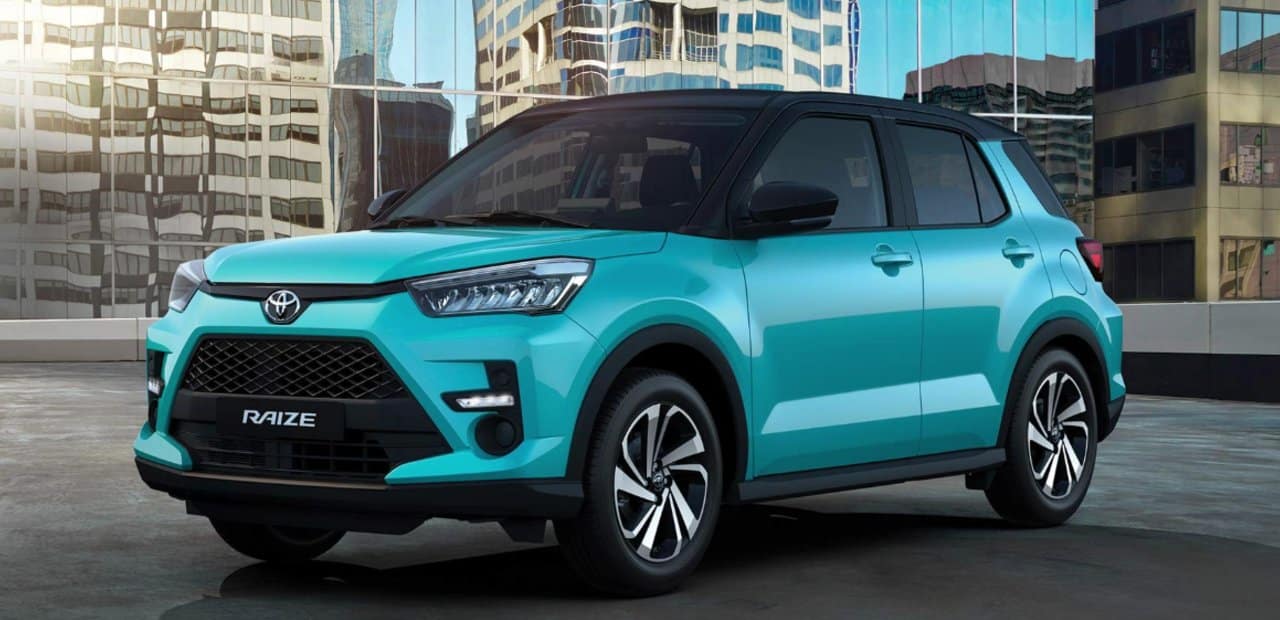
The Toyota and Daihatsu are preparing a significant update for their popular compact SUVs, with the introduction of new seven-seat variants. The models, which will be called Raize Space and Rocky Space, are scheduled to reach the Japanese market between the end of 2026 and the beginning of 2027, meeting a growing demand for versatile family vehicles with contained dimensions.
This new configuration represents a strategic step by automakers to expand the range of vehicles, which are already a sales success. The addition of a third row of seats positions them as a unique option in the segment, combining the agility of a compact SUV with the practicality of a minivan, without an excessive increase in acquisition and maintenance costs.
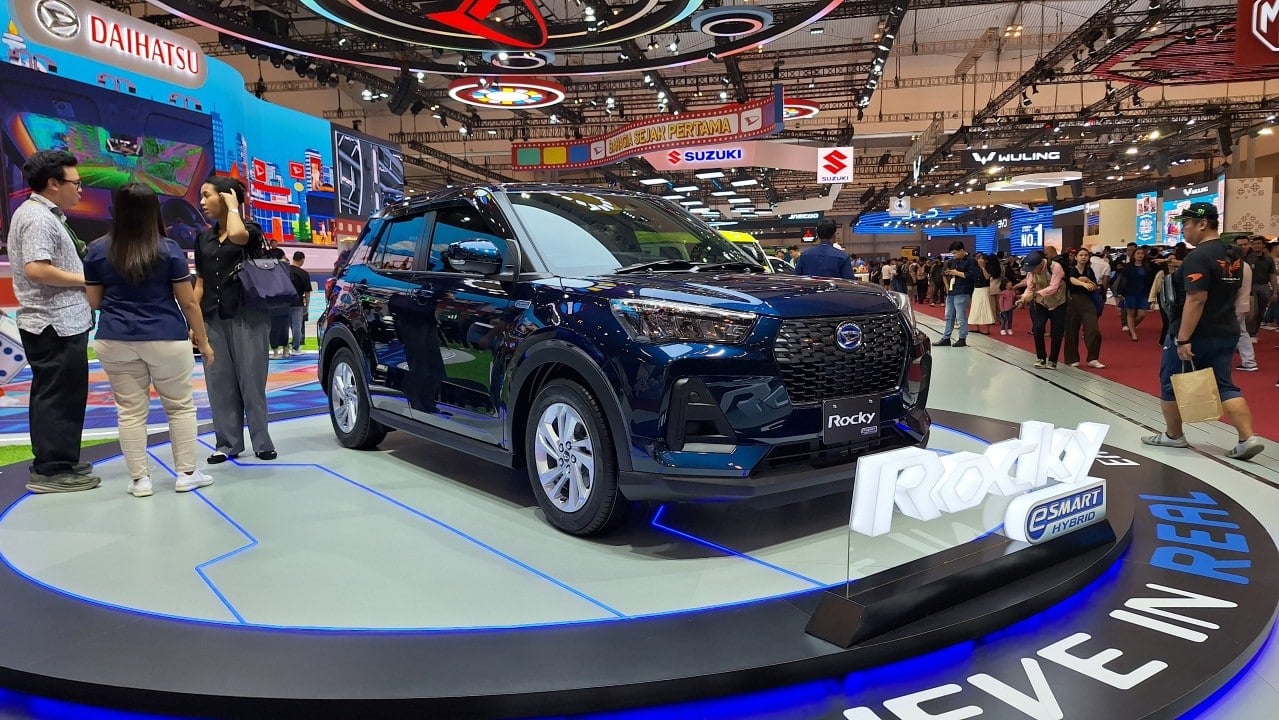
The project, which is progressing under the technical leadership of Daihatsu, also responsible for manufacturing the Raize for Toyota, has overcome previous delays related to certification processes. The information, confirmed by sources linked to dealerships in Japão, indicates that development is in the final phase, with a focus on optimizing the internal space and drivability of the new models.
Dimensions and design adapted for seven occupants
To accommodate the third row of seats, the Space versions will have their bodies lengthened by approximately 400 millimeters, reaching a total length of close to 4,400 mm. Essa structural change was carefully planned so as not to compromise urban maneuverability, one of the main qualities of current models. The 1,695mm width will be maintained, ensuring vehicles continue to fall into favorable tax categories in the Japão, while the height will be raised slightly to 1,680mm, improving headroom for rear occupants. With these new measures, SUVs approach the size of vehicles like the Toyota Corolla Cross, but with the advantage of offering two additional seats. The design will also receive updates to differentiate the Space versions, including a more robust and imposing front grille, as well as headlights and taillights with a new visual signature, reinforcing the identity of a more familiar vehicle prepared for different uses. The conventional two-row versions will maintain their compact dimensions, measuring 3,995 mm in length, preserving their appeal for strictly urban use.
Efficiency-focused engine options
The new Raize and Rocky will continue to offer the consolidated 1.2-liter three-cylinder gasoline engine as an entry option. Esta unit, which delivers approximately 90 horsepower and 12 kgfm of torque, is known for its robustness and low maintenance cost, making it a popular choice for those looking for an affordable and functional vehicle. Ele will be available with both front-wheel drive (2WD) and all-wheel drive, a configuration valued in snowy regions in the Japão.
The big bet, however, remains on the e-Smart Hybrid system. In the Nesta configuration, the same 1.2 gasoline engine works exclusively as an energy generator for the battery, while wheel traction is carried out by a more powerful electric motor, which develops around 110 horsepower and 17 kgfm of torque. Essa technology, known as series hybrid, provides a smooth and silent driving experience, similar to that of an electric vehicle, with agile responses at low speeds and extremely low fuel consumption, especially in the urban cycle.
Pricing strategy and market positioning
The pricing structure was designed to maintain the models’ competitiveness in the fierce Japanese market. The two-row versions will be priced between 1.98 million and 2.53 million yen.
The new Space variants, with seven seats, will cost approximately 370,000 yen. As a result, the entry-level gasoline configuration will start at 2.35 million yen.
At the top of the range, the Raize Space and Rocky Space equipped with the e-Smart Hybrid system should approach 2.9 million yen, offering a complete package of technology and versatility.
This pricing places the new SUVs as an attractive and more affordable alternative to seven-seater vehicles from higher segments, filling an important gap in the market.
The technical base inherited from the Asian market
The inspiration for creating the seven-seater versions comes from an existing model in the Daihatsu portfolio, the Xenia, successfully sold in markets such as the Indonésia.
The Xenia combines SUV and minivan features in a 4,395 mm body, serving as a proven basis for the development of the Japanese variants.
The design was adapted to meet Japão’s strict safety standards and consumer preferences, including structural reinforcements and the incorporation of driver assistance technologies.
Sales success drives the new generation
The Toyota Raize has established itself as the best-selling SUV in the Japão, accounting for a significant share of the brand’s compact passenger car sales. With a monthly average of more than 8,400 units registered, the model surpasses direct competitors, including the Yaris Cross.
One of the factors that contribute to this success is the stability of production, carried out by Daihatsu, which guarantees short delivery times, generally less than four months. Essa predictability is an important differentiator in a market where other models face long waiting lines.
Interior and safety enhancements
In addition to the structural changes, the new models will receive improvements to the interior finish, with the use of materials with a more refined texture to increase the perception of quality on board. Third-row space is designed to accommodate adults on short trips in acceptable comfort, and the seats can be folded down to create a large, flat cargo area. The safety package will also be evolved, with more advanced and precise driving assistance systems.



