

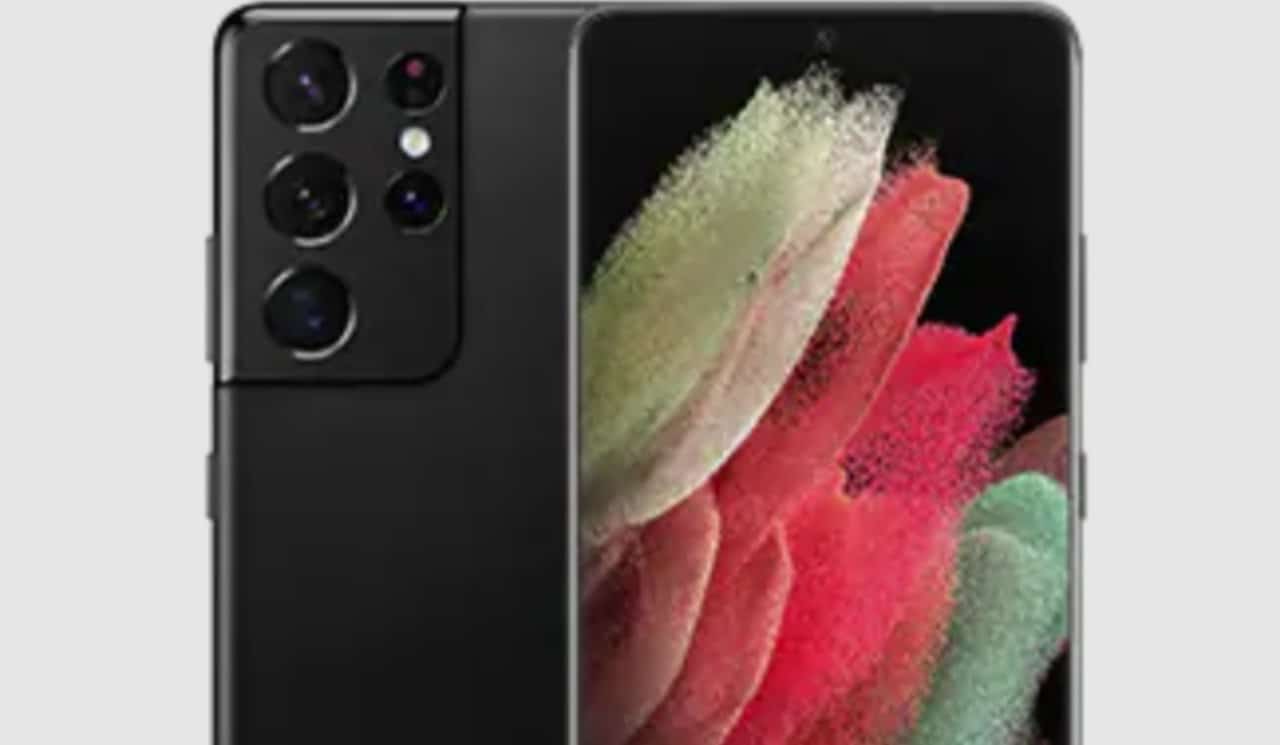
Samsung has officially confirmed the removal of the Galaxy S21 line from its list of devices eligible to receive periodic security updates. The measure, which came into force with the announcement of the February 2026 security package, marks the end of standard support for the models Galaxy S21, Galaxy S21 Plus and Galaxy S21 Android 15, as its last major software release.
The South Korean manufacturer’s decision meets the schedule promised at the time of the smartphones’ launch. The devices hit the market with Android 11 and, over five years, received four major operating system updates, in addition to security packages that guaranteed protection against vulnerabilities. With this, the company ends a support cycle considered robust by industry standards at the time.
For current owners, this does not mean the devices will become unusable immediately. Samsung can still release specific and emergency fixes if extremely critical security flaws are discovered in the future. Essa practice is common for devices that have already left the regular support cycle, aiming to protect users from more serious threats that may arise.
What changes for owners of the Galaxy S21
In practice, the end of regular support means that smartphones in the Galaxy S21 line will no longer receive monthly or quarterly packages that correct security flaws in the Android system and the One UI interface. Essa The absence of new protections makes devices progressively more vulnerable to new digital threats, such as malware and attempts to exploit security holes. Embora the hardware remains functional for daily tasks, modern applications and games, the recommendation of digital security experts is that users take extra care when browsing the internet, downloading applications and accessing sensitive information. The Samsung Knox security platform, built into the hardware, will continue to provide a layer of protection, but its effectiveness decreases without the software updates that keep it prepared for new risks that constantly arise.
S21 line update history
Since its launch, the Galaxy S21 series has followed a consistent update schedule, which has strengthened consumers’ trust in the brand. The devices were pioneers in receiving the promise of longer support from Samsung, setting a new standard for the Android ecosystem.
The devices’ software journey included important milestones. The Android 12, with the One UI 4, was available in November 2021, followed by the Android 13 with the One UI 5 in November 2022.
The cycle was completed with the arrival of Android 15 and One UI 7, which began to be distributed in mid-2025. The last regular security package, according to the official calendar, was applied in January 2026, ending the five years of promised support.
The evolution of Samsung’s support policy
Samsung’s update policy has evolved significantly in recent years, reflecting the growing competitiveness in the smartphone market. Quando the Galaxy S21 line was presented, the promise of four major system updates and five years of security patches was already an important differentiator compared to most Android competitors, which offered, on average, three years of support.
The company currently offers even more extensive support for its latest models. Starting with the Galaxy S24 series, the Samsung now guarantees seven years of updates for both the operating system and security, matching the policy adopted by the Google for its Pixel devices and surpassing that of many other manufacturers.
This strategic change aims not only to retain customers, but also to increase the perceived value of its products, ensuring a longer and safer useful life. The measure positions Samsung as one of the leaders in software longevity in the Android universe, an increasingly decisive factor for consumers when purchasing.
The specific case of the Galaxy S21 FE
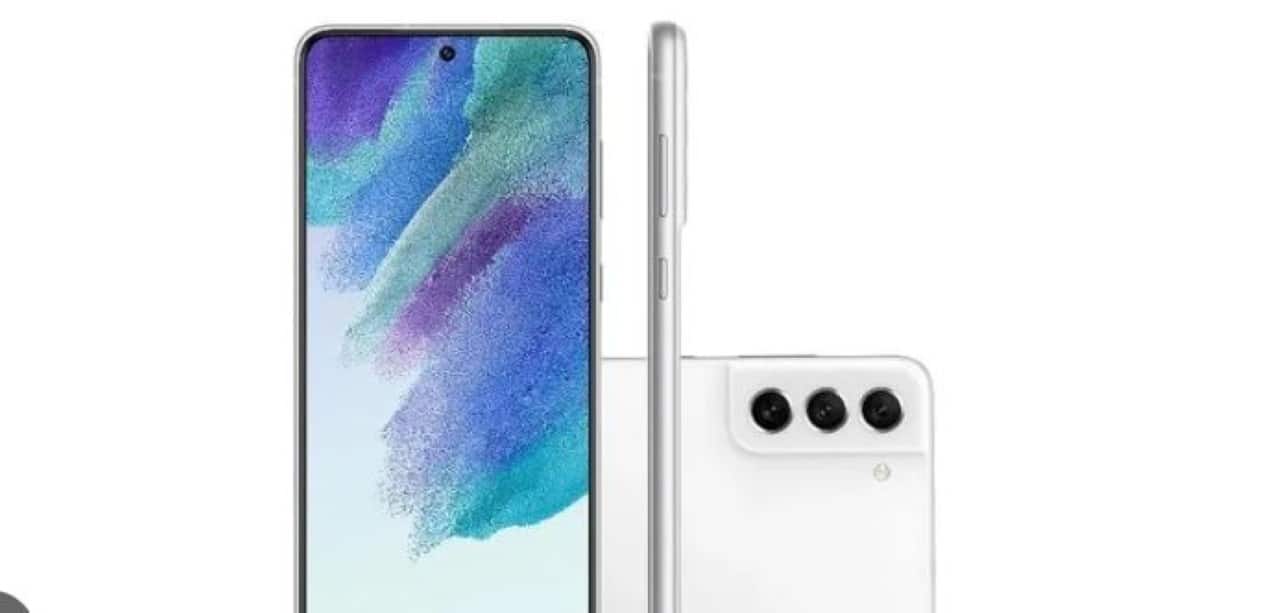
The Galaxy S21 FE (Fan Edition), launched later than the other models in the line, follows a different support schedule. The device still receives updates, but its frequency has been reduced to quarterly. The Essa change aligns it with the support schedule for the Galaxy S22 series, indicating that its lifecycle is also approaching its final phases.
Latest security package details
The February 2026 security patch, which made the deletion of the S21 line official, fixed a total of 37 vulnerabilities on eligible Android devices. Desse total, 25 flaws were identified by Google in the operating system core, with the majority classified as high severity.
Additionally, Samsung included 12 fixes specific to its own software layer, the One UI. Essas improvements addressed components such as the communication modem, the camera application and other system features, reinforcing the security of devices that are still within the active support period.
Recommendations for maintaining device security
With the end of regular updates, users of the Galaxy S21 line must adopt more rigorous security practices to minimize risks. The main recommendation is to download applications exclusively from official and trustworthy sources, such as Google Play Store and Galaxy Store.
It is essential to avoid clicking on suspicious links received via email, SMS or messaging apps, as they can lead to malicious websites designed to steal personal data.
Enabling two-step verification on all online accounts linked to your smartphone adds an extra layer of protection, making unauthorized access difficult even if passwords are compromised.
Performing periodic backups of important data, such as photos, contacts and documents, is also a prudent measure. Isso ensures that information can be recovered in the event of loss, theft or device failure.
Legacy and impact of the Galaxy S21 series on the market
The Galaxy S21 series has left an important mark in the smartphone market. Ela was responsible for popularizing features that have become standard in high-end models, such as the Dynamic AMOLED screens with an adaptive refresh rate of 120 Hz, which offer a more fluid and responsive user experience. The Ultra model, in particular, innovated by bringing compatibility with the S The design with the camera module integrated into the metal frame was also an aesthetic difference that influenced subsequent generations of the brand’s devices.



