

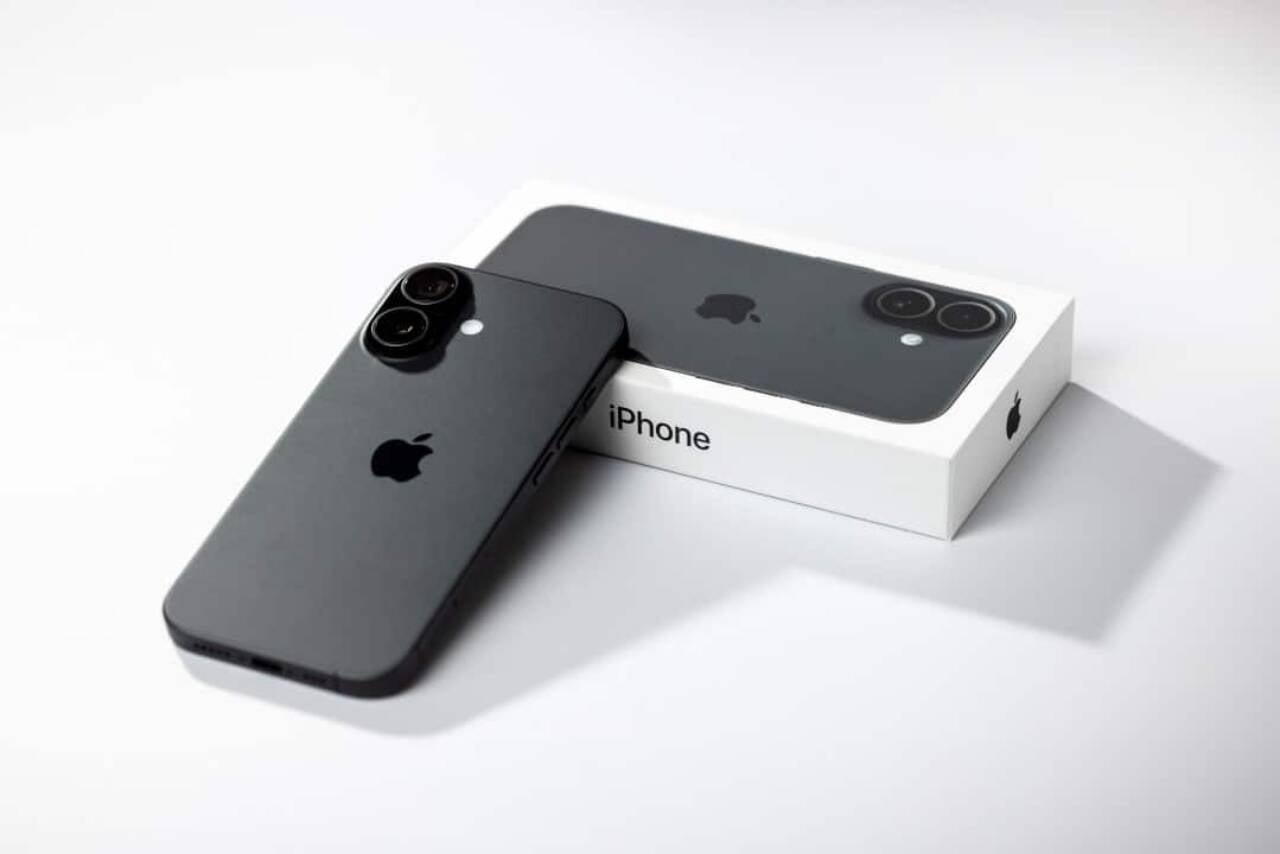
New reports about future launches from Apple indicate a significant strategic shift in the segmentation of its smartphones. The company plans to equip the iPhone 17 with considerably more advanced screen and camera technologies compared to entry-level models, such as a rumored iPhone 16e. The move aims to justify a more pronounced price difference between lines, directing premium features to consumers willing to invest more, while maintaining a competitive and affordable option in its portfolio.
The company’s main objective is to create a clear distinction in perceived value, preventing the most basic models from cannibalizing sales of the more expensive versions. The information, still treated as rumors in the technology market, suggests that the 120 Hz ProMotion screen, previously exclusive to the Pro models, will become one of the main differentiators of the standard iPhone 17. Da Likewise, the camera system would receive a substantial update, consolidating the device as an intermediate option between the entry-level model and the Pro line.

This approach also reflects an adaptation to market expectations, which require more tangible innovations with each generation. By concentrating technological advances on the iPhone 17, Apple seeks to stimulate the exchange cycle and reinforce the brand’s image of innovation. The iPhone 16e, in turn, would fulfill the role of maintaining the user base with updated hardware, but without the cutting-edge features that make production more expensive.
Crucial differences in display and performance
One of the most anticipated updates for the iPhone 17 is the adoption of a display with ProMotion technology, which allows for a variable refresh rate of up to 120Hz. Essa functionality, currently restricted to Pro models, offers a much more fluid user experience in animations, page scrolling and games. The screen should maintain a size close to 6.3 inches, but with superior image quality and improved brightness.

On the other hand, the iPhone 16e should maintain a more conventional panel, with a refresh rate of 60 Hz and a display of approximately 6.1 inches. Although color quality and sharpness remain strong points, the absence of ProMotion will be a deciding factor for many users, especially those who have already experienced the fluidity of screens with higher refresh rates on other devices.
ProMotion technology not only improves the visual experience, but also contributes to energy efficiency. The ability to reduce the refresh frequency to very low levels when the image on the screen is static allows you to implement the “Always-On Display” mode more effectively, displaying information such as time and notifications with minimal battery consumption, a feature that will likely be left out on the iPhone 16e.
This technical differentiation on the screen is one of the most direct ways that Apple has found to segment its products. The daily use experience is immediately impacted, making the purchasing decision clearer for consumers looking for the best technology available or the best value for money within the brand’s ecosystem.
The evolution of the camera system
The photographic set will be another pillar in Apple’s differentiation strategy. Para the iPhone 17, the inclusion of a main camera with a 48-megapixel sensor is expected, a significant leap compared to the 12-megapixel sensors used in current basic models. A larger, higher-resolution sensor allows you to capture images with a much higher level of detail, especially in good lighting conditions. Além Additionally, pixel binning technology, which combines four pixels into one to improve light sensitivity, will result in clearer night photos with less noise. The expectation is that this improvement will position the iPhone 17 as a much more versatile photographic tool, bringing it closer to the capabilities of the Pro models and attracting content creators and photography enthusiasts who do not necessarily need all the features of the more expensive line, such as the telephoto lens.
Processing and storage capacity
Behind the scenes, the disparity will continue. The iPhone 17 should come equipped with the future A19 chip, produced using a more modern process that will guarantee greater processing power and energy efficiency. Esse advancement will be key to handling Apple’s artificial intelligence capabilities and more demanding applications fluidly.
On the other hand, the iPhone 16e will likely use a previous generation chip, possibly the A18, which will still offer robust performance for most everyday tasks, but with limitations in graphics and AI processing compared to its younger, more advanced sibling.
Initial storage capacity should also be a point of distinction. Há strong indications that the iPhone 17 will start with 256 GB of internal memory, meeting a growing demand for space for high-resolution photos, 4K videos and applications. The iPhone 16e, to maintain a lower cost, should start at 128 GB.
The restructuring of the Apple portfolio
The introduction of a model with the nomenclature “16e” suggests a possible reorganization in the Apple portfolio. Essa line could replace the older models that the company usually keeps on sale at reduced prices, offering newer hardware and a longer software update cycle.
For the consumer, this clarity can simplify the choice process. Haveria an entry line (e), a main line (standard) and a premium line (Pro), each with a well-defined feature set and price, making the ecosystem more organized and easier to navigate.
Design and battery
Although the big changes focus on the internal components, small improvements are expected in the design of the iPhone 17. The general design, however, must follow the visual identity consolidated in recent generations.
The efficiency of the new processors and ProMotion screen should positively impact the battery life of the iPhone 17. The Apple has historically used efficiency gains to maintain or increase battery life even with the addition of new features, and this trend is expected to continue.
Price positioning and expectations
Although official prices will only be revealed at launch, the difference in specifications between the iPhone 17 and iPhone 16e will inevitably be reflected in their market values. Apple’s strategy is to make it clear to the consumer that the additional investment in the iPhone 17 is justified by the superior user experience, especially in relation to the screen and camera, which are two of the most valued components in users’ daily lives.
This tactic aims to increase the average selling price of iPhones, a vital metric for investors. By reserving the best technologies for the iPhone 17, such as the 120Hz screen and the 48 MP camera, the company creates a strong selling argument for the upgrade, even if the general design of the devices does not undergo radical changes. The perception of value shifts from aesthetic changes to functional improvements.



