
Battery failure with fire danger leads BYD to recall nearly 90,000 Qin Plus DM-i cars


Chinese electric vehicle giant BYD announced the recall of 88,981 units of its popular plug-in hybrid model, the Qin Plus DM-i, due to an identified defect in the high-voltage battery pack that poses a risk of fire. The preventive measure was communicated in coordination with Administração Estatal of Regulação of Mercado of China (SAMR), the main product quality inspection body in the country.
The call involves vehicles manufactured over a long period, covering units produced between January 2021 and September 2023. The failure, according to the automaker, is related to an inconsistency in the manufacturing process of an internal battery component, which can lead to a short circuit in extreme situations.
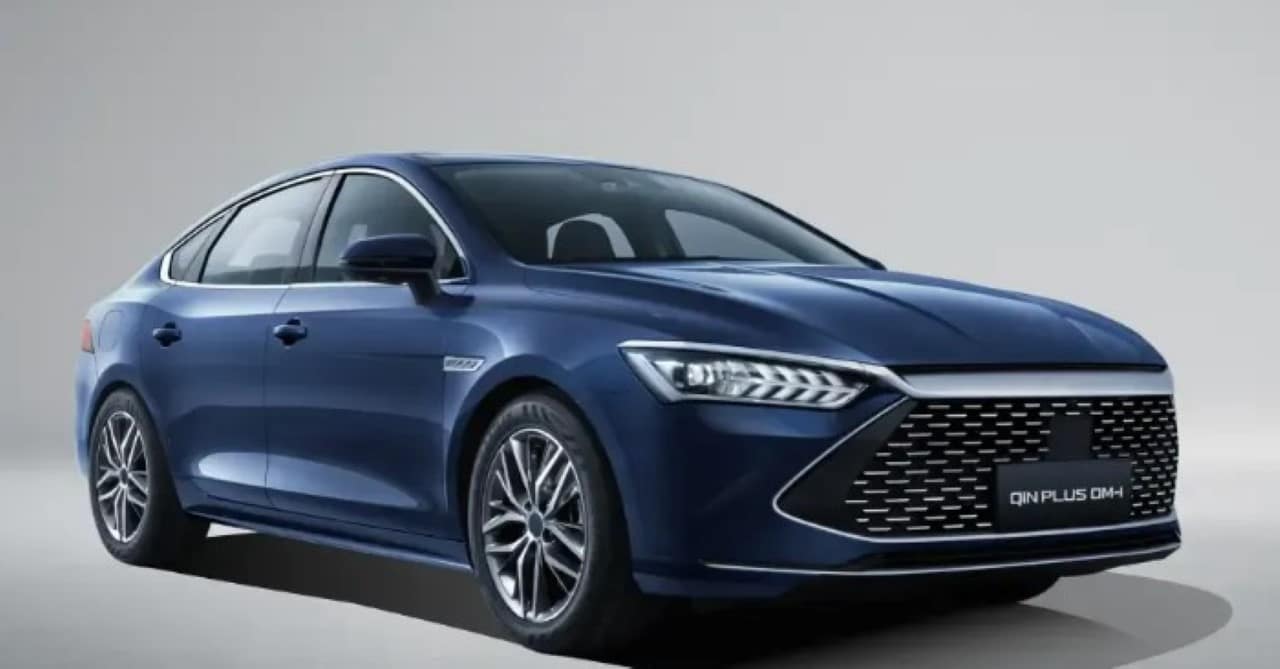
This recall represents one of the largest ever carried out by BYD, which currently holds the position of largest electric vehicle manufacturer in the world. The action highlights the ongoing quality control and safety challenges facing the automotive industry in its rapid transition to electrification, where battery technology is a central and complex component.
Technical details of the identified fault
The investigation conducted by BYD engineering indicated that the root cause of the problem lies in the battery pack sampling harness. Durante the assembly process, this component may have been incorrectly fixed, making it vulnerable to friction and abrasion caused by the natural vibration of the vehicle in continuous use.
Over time, progressive wear of this harness may cause it to come into contact with other internal metal parts of the battery pack. Essa condition creates a scenario conducive to the occurrence of a short circuit in the automobile’s high voltage system.
The short circuit, in turn, can trigger a thermal runaway event in the battery. Thermal runaway is a dangerous chain reaction in which an increase in temperature in a battery cell causes adjacent cells to heat up, which can result in overheating, smoke emission and, in more serious cases, a fire.
The company emphasized that the probability of the event occurring is low, but the decision to recall was taken as a maximum precautionary measure to ensure the safety of all its customers and fully mitigate any potential risk associated with manufacturing failure.
The solution proposed by the manufacturer
To correct the flaw, BYD developed a two-step solution that combines remote technology with physical inspection at dealerships. The first phase consists of the release of an Over-The-Air (OTA) software update, which will be sent directly to affected vehicles without the need for a workshop visit.
This new firmware aims to optimize the Sistema of Gerenciamento of Bateria (BMS) algorithm. The update will make the system more sensitive and capable of detecting anomalies and subtle electrical variations that could indicate an imminent problem with the harness, issuing an early warning to the driver via the instrument panel.
If the OTA update cannot be completed successfully or if the system, even after the update, detects a persistent failure, owners will be instructed to take their vehicles to an authorized BYD dealer. In Nessas situations, a technical team will carry out a detailed inspection and, if necessary, replace the defective component at no cost to the customer.
History of recalls and battery safety
This is not an isolated incident for BYD, which, like other major automakers, has faced challenges related to the safety of its electrical components. Nos In recent years, the company has carried out other recalls for models such as the SUV Tang DM-i and the Yuan Pro, also for issues linked to failures in batteries or their management systems. Esses Previous events have helped improve the company’s internal quality control processes and response to potential safety issues, resulting in the proactive approach seen in this most recent call.
The issue of lithium-ion battery safety is one of the most critical topics for the entire electric vehicle industry. The increasing energy density, necessary to offer greater autonomy, increases the complexity and associated risks. Fabricantes around the world invest billions in research and development to create safer systems, with better cooling mechanisms, thermal management and robust construction to prevent incidents, making transparency in recalls a key part of building consumer confidence in new technology.
The impact on BYD’s image
Although a recall of this magnitude can generate concern among consumers and investors, how a company handles the situation is crucial to its long-term reputation. By acting transparently and proactively, communicating the issue and offering a free, comprehensive solution, BYD seeks to reinforce its commitment to safety and customer satisfaction. Essa stance is especially important as the brand expands its global presence, entering competitive markets in Europa, Ásia and América Latina, where consumer trust is a valuable asset.
Automotive industry analysts note that while the financial cost of the recall is significant, the harm from not acting would be much greater. Ignorar a potential security risk could lead to serious incidents, image crises and loss of market share. Portanto, the decision to recall almost 90 thousand vehicles is seen as a strategic measure to protect not only drivers, but also the value of the brand in an increasingly competitive and supervised industrial scenario.
Regulatory measures at China
The actions of Administração Estatal of Regulação of Mercado (SAMR) of China in this case demonstrate the strengthening of government supervision over the new energy vehicle (NEV) sector. The Chinese government has implemented stricter regulations to ensure product quality and safety, aiming to protect consumers and solidify China’s reputation as a leader in the production of advanced automotive technology.
The collaboration between BYD and SAMR to make the recall official is standard procedure that reflects this new era of corporate responsibility and state oversight. Para authorities, ensuring that companies act quickly to correct manufacturing defects is essential to maintaining the stability and sustainable growth of the world’s largest electric car market.
Recommendations for owners
BYD is officially notifying owners of vehicles included in the recall through its communication channels, such as the brand’s app and direct mail. The company recommends that drivers check whether their vehicle is among those affected by entering the Número of Identificação of Veículo (VIN) on the automaker’s official portal. It is essential that owners pay attention to notifications to perform the OTA software update as soon as it becomes available. Enquanto wait for correction, they should pay attention to any alerts displayed on the vehicle’s dashboard. In case of any abnormal behavior, such as burning odors, smoke or error messages from the battery system, it is recommended to stop the vehicle in a safe location and immediately contact customer service or the nearest dealer. The manufacturer reiterates that the entire diagnostic and repair process related to this recall will be carried out free of charge.
Vehicles affected by the call
The recall specifically covers model Qin Plus DM-i units that were manufactured between January 28, 2021 and September 30, 2023. Owners of vehicles purchased in or around this date range should contact official BYD channels to confirm the inclusion of their chassis in the fix campaign.



