
BYD recalls 89,000 Qin Plus DM-i cars due to risk of battery fire


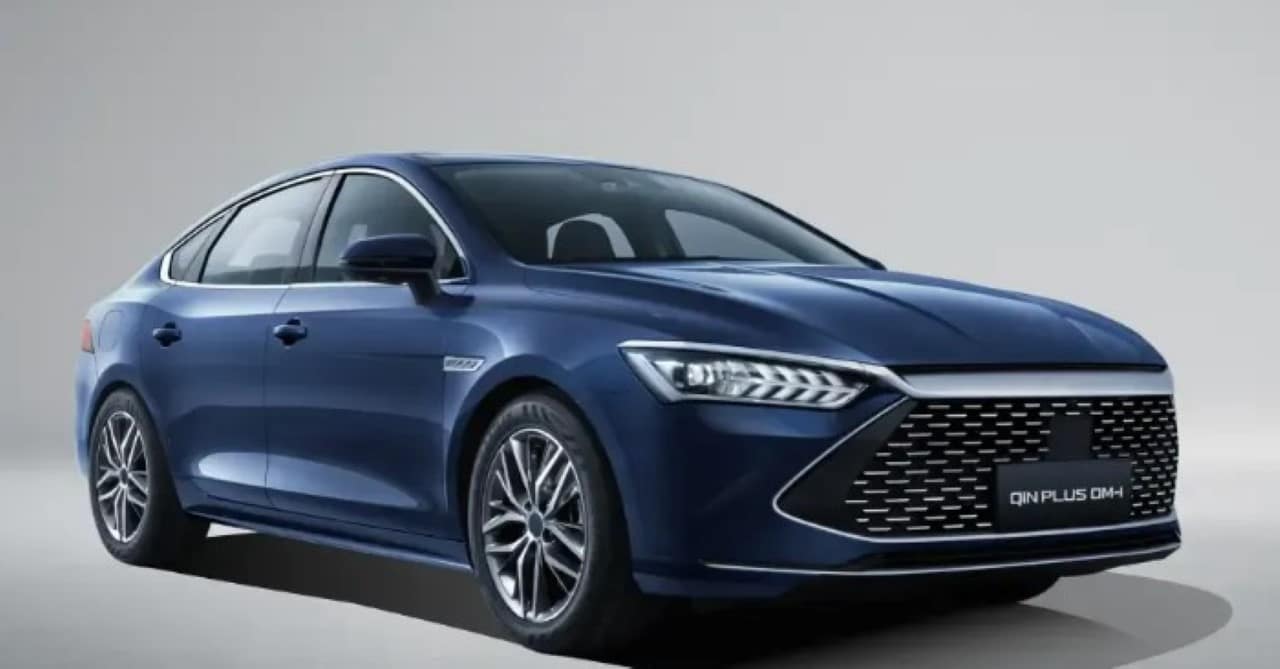
Chinese electric vehicle giant BYD announced a large-scale recall involving 88,981 units of its popular plug-in hybrid sedan, the Qin Plus DM-i. The measure was taken due to a defect identified in the high voltage battery pack, which presents a potential risk of fire under specific conditions of use. Preventive action aims to correct the fault and ensure the safety of owners.
The recall covers vehicles manufactured between January 2021 and September 2023. The official notification was registered with Administração Estatal of Regulação of Mercado of China (SAMR), the main regulatory body for product quality and safety in the country. The decision highlights growing concerns about the safety of new energy vehicles (NEVs) in an increasingly competitive and mass market.
The company said it will contact the owners of affected vehicles to schedule the necessary procedures. The problem will be corrected at no cost to consumers, reinforcing the brand’s commitment to resolving the issue in a transparent and responsible manner.
Battery pack failure details
The root cause of the problem, according to the statement issued by BYD, lies in an inconsistency in the manufacturing process of the battery pack data sampling harness. Este component is responsible for collecting vital information from the power cells, such as voltage and temperature, and sending it to the Sistema of Gerenciamento of Bateria (BMS).
Due to production failure, the harness may not be properly secured inside the battery casing. With normal vehicle vibrations during driving, the component may wear out due to friction and come into contact with other internal metal parts. Essa situation creates a high risk of short circuit in the high voltage system.
A short circuit under these conditions can trigger a thermal runaway event, a process in which the overheating of one battery cell quickly spreads to neighboring cells. Esse phenomenon can result in the combustion of the battery pack and, consequently, a fire in the vehicle, representing a serious danger to the occupants and property.
The solution proposed by the manufacturer
To mitigate the risks associated with the failure, BYD outlined a two-step action plan. The first measure is to implement an over-the-air (OTA) software update. Este new firmware will optimize the algorithms of the Sistema of Gerenciamento of Bateria (BMS), improving its ability to detect anomalies early.
The updated software will monitor battery parameters with greater precision and, if it identifies any irregularity that suggests a risk of short circuit, it will issue audible and visual alerts to the driver, instructing him to stop the vehicle and seek technical assistance immediately.
The second stage of the plan is aimed at cases in which the software update is not sufficient or for vehicles that already show signs of the problem. Owners will be instructed to take their cars to an authorized dealer for a detailed physical inspection. Durante the procedure, technicians will check the condition of the sampling harness and, if necessary, replace the defective component with a new one, at no cost to the customer.
Affected vehicles and production period
The recall exclusively affects the Qin Plus DM-i model, one of BYD’s best-selling cars in China and other markets. The call is specific to units that were produced over a period of more than two and a half years, starting on January 1, 2021 and ending on September 30, 2023.
Owners who purchased a vehicle of this model within the mentioned manufacturing period should pay attention to official communications from the manufacturer. The company will use its communication channels, such as apps and direct mail, to notify customers eligible for the recall.
Recall history and BYD’s image
This is not the first recall incident involving battery safety from BYD, which is also one of the largest battery manufacturers in the world. In previous years, the company had already issued recalls for other models, such as the SUV Tang DM-i and the electric Yuan Pro, due to failures related to thermal management and internal components of the power packs.
Although recalls can negatively impact a brand’s perception of quality, BYD’s proactive action in identifying and correcting the problem is seen by the market as an essential step in maintaining consumer trust. In a sector as dynamic as electric vehicles, transparency and quick resolution of security breaches are crucial to the long-term sustainability of a company’s reputation.
Guidance for vehicle owners
BYD is recommending that owners of the nearly 90,000 vehicles involved in the recall take immediate precautions. The main guideline is to carefully observe any warning or anomaly light that appears on the car’s instrument panel. Além Furthermore, the company advises that drivers avoid charging the battery to 100% or discharging it completely until the check is carried out.
To confirm whether a specific vehicle is part of the affected lot, owners can consult BYD’s official channels or wait for contact from the manufacturer. Geralmente, manufacturers provide an online tool on their websites where you can enter the Número of Identificação of the Veículo (VIN) to check eligibility for recall campaigns.
Implications for the global electric market
BYD’s massive recall reverberates throughout the electric vehicle industry, serving as a blunt reminder that battery safety remains the biggest technological challenge and top point of concern for consumers. Incidentes involving a market leader like BYD can generate hesitation among potential buyers and reinforce the perception that the technology still faces maturation obstacles. The event puts pressure on not just BYD, but all global manufacturers to step up their quality control processes, from component manufacturing to the final assembly of battery packs. The complexity of high voltage systems requires constant vigilance and ongoing investments in research and development to ensure the safety and reliability that are critical to the mass acceptance of electric vehicles around the world.
The regulatory scenario in China
The intervention of Administração Estatal of Regulação of Mercado (SAMR) in this case demonstrates the tightening of safety standards for new energy vehicles in the Chinese market. The local government has intensified supervision over manufacturers as the fleet of electric and hybrid vehicles grows exponentially, seeking to ensure that quality standards keep pace with innovation and mass production.



