

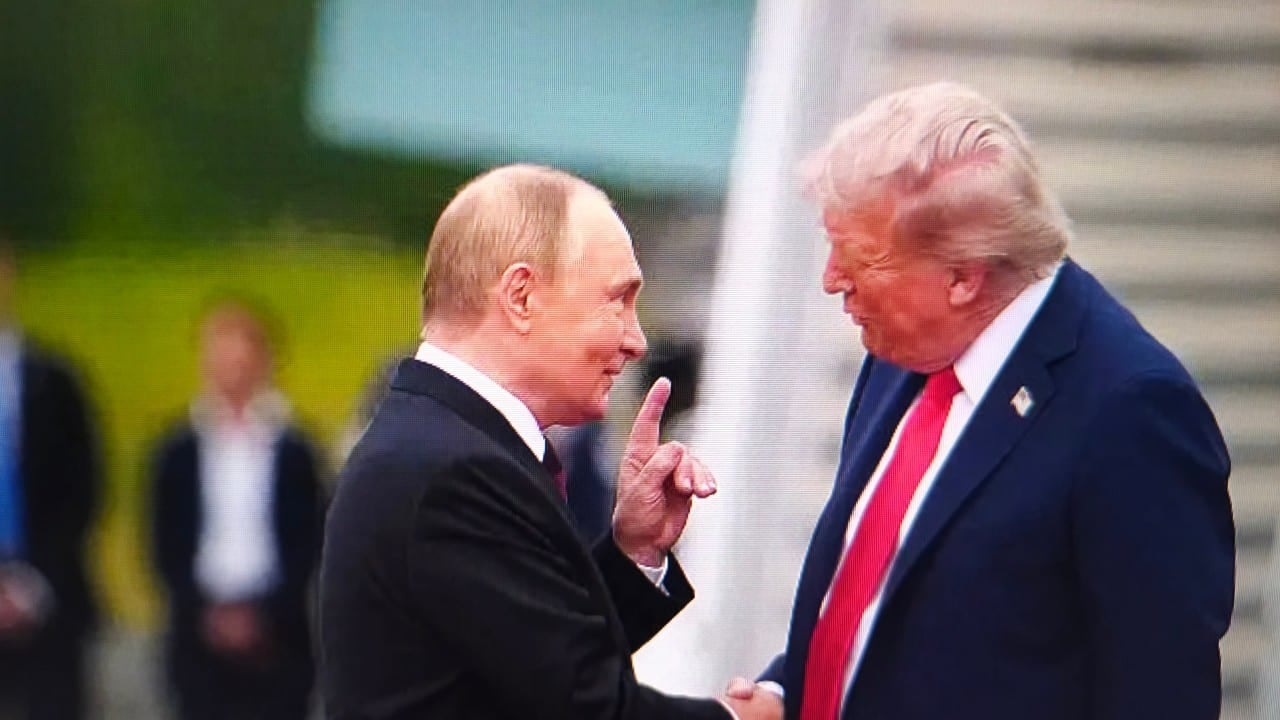
The New START treaty, the last bilateral nuclear arms control agreement between Estados Unidos and Rússia, expired on February 4, 2026.
Without the verification mechanism and established ceilings, the two largest nuclear powers on the planet are entering a phase of unrestricted arsenal expansion. Especialistas point out that the scenario favors the acceleration of an arms race that already involves China.
The absence of formal limits increases strategic uncertainties around the world. Países observe the movement carefully, as proliferation may reach new nations in the medium term.

History of nuclear control agreements
The New START followed a series of treaties initiated during the Guerra Fria to contain the escalation of atomic weapons. Previous Acordos, such as SALT I in 1972 and START I in 1994, established foundations for progressive reductions.
These pacts reflected the need for balance between the superpowers of the time. With the end of União Soviética, new instruments emerged to adapt the rules to the post-bipolar reality.
The 2010 treaty, signed by Barack Obama and Dmitry Medvedev, represented the last significant effort at mutual restraint. Ele included detailed inspection and data sharing rules that maintained some transparency until expiration.
Main rules of New START
The agreement established clear ceilings for both countries’ strategic arsenals. Cada side could maintain a maximum of 1,550 nuclear warheads deployed on launch systems.
Furthermore, it limited the number of intercontinental ballistic missiles, submarine-launched missiles and heavy bombers equipped to 700. Outros 800 launchers could exist, but without active warheads.
- Up to 18 annual in-person inspections of facilities;
- Exchange of telemetry data every six months;
- Advance notifications about missile tests;
- Minimum alert distance of 30 minutes between forces.
These measures guaranteed minimum predictability in adversary capabilities. Partial compliance occurred even during periods of high tension.
Current arsenals of the main powers
States Unidos and Rússia concentrate most of the nuclear warheads on the planet. Dados from January 2025 indicate that the Rússia has at least 5,429 total warheads, while the Estados Unidos has 5,177.
The difference appears in the ready launch systems, with the Rússia maintaining more mobile land-based missiles. Americans prioritize nuclear submarines for greater survival in conflict scenarios.
China records rapid expansion in its nuclear program. The Asian country reached around 600 warheads in 2025 and built 350 new silos for intercontinental missiles.
Projections indicate that Pequim could reach 1,500 warheads by 2035. Annual production has exceeded 100 new units since 2023.
Chinese expansion and chain reactions
The growth of the Chinese arsenal directly influences American and Russian decisions. Washington focuses efforts on modernizing its nuclear triad to contain the emerging threat in the Indo-Pacific.
Moscow, in turn, responds with the development of hypersonic systems and new generations of missiles. The absence of bilateral limits facilitates investments without immediate budget restrictions.
Other countries follow the movement with strategic interest. Nações allies of the Estados Unidos discuss options for their own deterrence in response to instability.
Implications for European security
Europa feels the direct effects of the new global configuration of nuclear forces. Países of Otan close to Rússia evaluate reinforcements in shared conventional and nuclear defenses.
Internal debates in nations such as Alemanha and Polônia include possibilities for hosting additional American weapons. Líderes Europeans are pressing for diplomatic initiatives that fill the vacuum left by the treaty.
Organização of Nações Unidas expresses concern about the increase in risks. The secretary-general highlighted the urgent need for new mechanisms for dialogue between powers.
Technological modernization of arsenals
The three main powers invest heavily in new generation technologies for their nuclear forces. Sistemas hypersonics capable of evading conventional defenses gain priority in all programs.
Artificial intelligence integration appears in command and control platforms. Esses advances reduce decision times and increase delivery accuracy.
- Development of missiles with unpredictable trajectory;
- New class submarines with greater secrecy;
- Long-range stealth bombers;
- Variable yield warheads for specific targets.
Such innovations alter traditional strategic calculations. The speed of response makes climbing scenarios more volatile.
Proliferation risks for new countries
The end of bilateral restrictions opens space for other nations to seek nuclear capabilities of their own. Aliados Americans in Ásia and Oriente Médio consider expanded protection options.
Existing programs in countries like Índia and Paquistão continue to evolve without direct interference. Coreia of Norte maintains regular tests that defy international resolutions.
Experts warn that the logic of deterrence spreads gradually. Nações averages can conclude that their own arsenals represent a guarantee of sovereignty in an unstable environment.
Perspectives for new multilateral agreements
Attempts to include China in future negotiations face initial resistance from Pequim. Líderes Chinese argue that their arsenal still remains inferior to those of the other two giants.
Washington insists that any new instrument must cover the three main powers. Moscou conditions participation to parallel reductions in conventional forces of Otan.
International diplomats are working on proposals to restore minimum checks. Success depends on reducing current geopolitical tensions.
The global community is following developments with increased attention. The post-New START period defines the contours of nuclear security in the coming decades.



