

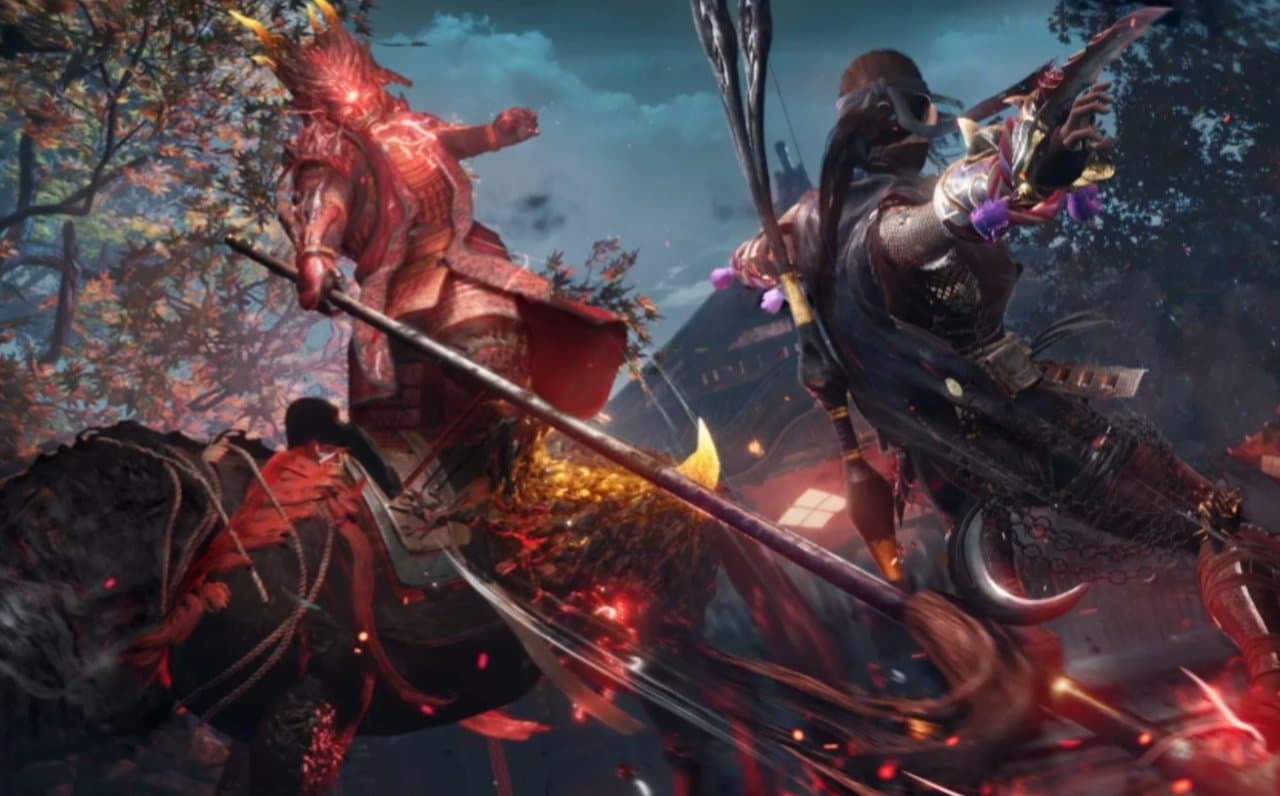
The long-awaited title Nioh 3 hits the market with an ambitious proposal, standing out for presenting one of the most refined gameplay experiences in the acclaimed franchise. The new edition surprises players by introducing a dynamic style switching system, allowing them to switch between samurai and ninja combat approaches with unprecedented fluidity. Essa core mechanics not only revitalize the way you play, but also deeply integrate into a rich narrative that transports enthusiasts to different eras of feudal Japão.
The main story, which begins in the year 1622 during the period Edo, puts the player in the shoes of Takechiyo Tokugawa. Destinado to become the next Xogum, Takechiyo sees his destiny altered by a dark twist, triggered by the hatred and envy of his younger brother, Este catastrophic event culminates in an Yokai invasion of Castelo from Edo, plunging the protagonist into an epic journey full of challenges and twists in time.
Improved gameplay and combat styles
The highlight of the gameplay in Nioh 3 lies, without a doubt, in the innovative Troca system of Estilo. With a simple button press, players can transition between samurai and ninja combat modes, each offering a distinct set of strategic advantages and disadvantages. Essa flexibility allows you to adapt the tactical approach to each combat situation, guaranteeing a strategic depth that stands out in the series.
The samurai style, for example, is characterized by superior attack power and the ability to perform Pulso of Ki, an essential technique to recover spent Ki and purify areas corrupted by Reino Yokai. Além Furthermore, samurai are adept at parrying enemy attacks, changing fighting stances, and employing the Domínio of Artes, which amplifies the effectiveness of strong attacks and martial arts. On the other hand, the ninja style favors Ninjutsu’s agility and mastery, focusing on dodging enemy attacks and surprising opponents with quick and devastating sequences of blows.
Deepening the plot: time travel and danger
The narrative of Nioh 3 unfolds from the cataclysm in Castelo of In a moment of desperation, the mysterious power of his Espírito Guardião, Kusanagi, unexpectedly transports him to the past. Ele wakes up in the year 1572, at the height of the Sengoku period, where he is forced to fight alongside his grandfather, Ieyasu Tokugawa, against the fearsome forces of
From this point on, the plot of Nioh 3 unfolds into a complex tapestry of historical events and fantastical elements. Takechiyo, whose appearance is fully customizable by the player, embarks on a journey through different periods of Japanese history, with the primary objective of stopping the evil entity that corrupted not only his brother, but also other important historical figures. The search for truth and the restoration of peace guides the protagonist through challenges that test his strength and determination.
Characters and connection to the franchise’s lore
The plot of Nioh 3 is enriched by the introduction of several new characters, who play crucial roles in the development of the story. At the same time, veteran players of the franchise will have the opportunity to meet and recognize NPCs (non-playable characters) that marked previous titles. Essa’s combination of new and familiar faces creates a bridge between the series’ past and present, offering a rewarding experience for newcomers and longtime fans alike.
It is important to note that understanding the intricate narrative of Nioh 3 does not require players to have completed the first two games in the franchise. Embora references and connections with previous titles are present, the story is told in a self-sufficient way, allowing new players to dive directly into the universe of Nioh without feeling lost. Essa accessibility helps more people enjoy the complete experience that Nioh 3 offers.
The strategic complexity of Nioh 3’s combat
The mastery of combat in Nioh 3 transcends the mere alternation of styles; it requires a deep understanding of when and how to apply each approach. In confrontations against tougher bosses, for example, the ninja’s agility can be employed to quickly break the opponent’s Ki and posture, creating crucial openings. Once the enemy is vulnerable, the transition to the samurai style allows you to deliver stronger and more decisive attacks, maximizing damage.
The variety of weapons available, combined with extensive skill trees for each style, offers an almost limitless range of strategies. Players are encouraged to experiment with different combinations, hone their techniques, and develop a play style that suits not only their preferences, but also the specific demands of each enemy and scenario. Essa layer of depth ensures that each combat is a test of skill and adaptation.
Exploring Feudal Japão Revisited
Takechiyo’s journey through Nioh 3 is a true journey through the landscapes and mythology of feudal Japão. From the imposing castles of the period Edo to the turbulent battlefields of Sengoku, players explore richly detailed environments, each filled with secrets, formidable enemies and valuable items. The possibility of customizing Takechiyo’s appearance allows for greater immersion and connection with the protagonist.
Each region visited is not just a backdrop, but an active element in the gameplay experience, with its own challenges and strategic opportunities. The diversity of Yokai enemies, each with unique attack patterns and specific vulnerabilities, requires players to master both forms of combat and think critically about the best way to approach each encounter. Exploration is rewarding and an integral part of the Nioh 3 experience.
The legacy of Nioh in the new generation of action games
Nioh 3 isn’t just a continuation of the series; it sets a new standard for action games in the “souls-like” genre, combining signature difficulty with innovative mechanics and an engaging narrative. The title cements Team Ninja’s reputation as masters at creating complex and rewarding combat systems, while also delving deeper into the rich cultural and historical tapestry of feudal Japão.
This game promises to be a milestone, influencing future releases and raising player expectations regarding depth and innovation in combat experiences. By refining what was already excellent and adding revolutionary elements, Nioh 3 paves the way for a lasting legacy in the video game industry, consolidating itself as a reference for enthusiasts of challenges and immersive narratives.
Mastering advanced mechanics: Ki and Yokai Realm
Management of Ki, the character’s vital energy, is a central mechanic in Nioh 3, with Pulso of Ki being crucial for sustaining combat. Esta technique allows you to quickly recover part of the Ki spent after a sequence of attacks, encouraging aggressive and rhythmic gameplay. Dominar the timing of Pulso and Ki is essential to maintain pressure on enemies and avoid becoming vulnerable during the most intense confrontations.
At the same time, Reino Yokai represents a significant environmental challenge. Essas areas corrupted by demons Yokai reduce the player’s Ki recovery and strengthen enemies. However, the samurai style offers the ability to purify these lands, restoring normalcy and gaining a tactical advantage. Strategic interaction with the Reino Yokai and mastery of the Ki add complex layers of depth to the combat system, turning each battle into a dynamic puzzle to be solved. Learning and adapting to these mechanics are fundamental to success.
Hero customization and progression
The experience in Nioh 3 is highly customizable, starting with the appearance of the protagonist, Takechiyo Tokugawa. Players have vast freedom to shape the look of their warrior, from facial features to armor details, allowing for even greater immersion in the epic journey. Essa aesthetic customization is complemented by a robust progression system.
Throughout the adventure, players accumulate experience points and resources that can be invested in different skill trees, improving specific attributes of the samurai or ninja. Além Furthermore, collecting and upgrading equipment, such as weapons and armor with different attachments and bonuses, are crucial to optimizing combat performance. The constant search for new items and experimentation with different builds are key elements that enrich the game’s longevity.
Reception and future expectations of the franchise
Nioh 3 has been widely praised by specialized critics and the gaming community, consolidating itself as the title with the best gameplay in the franchise. The warm reception highlights how the game balances the intrinsic difficulty of its genre with innovations that make the experience more dynamic and strategic. Muitos point to the style switching system as a game changer, raising the bar for future action games.
Expectations for the future of the Nioh franchise are extremely high after the release of this third title. The success of Nioh 3 suggests that Team Ninja will continue to explore and expand the universe of samurai, ninja and Yokais, possibly introducing even more refinements and innovative concepts in future releases. The game’s performance solidifies its position as a mainstay in the action RPG genre, ensuring that the legacy of challenge and combat mastery endures.



