

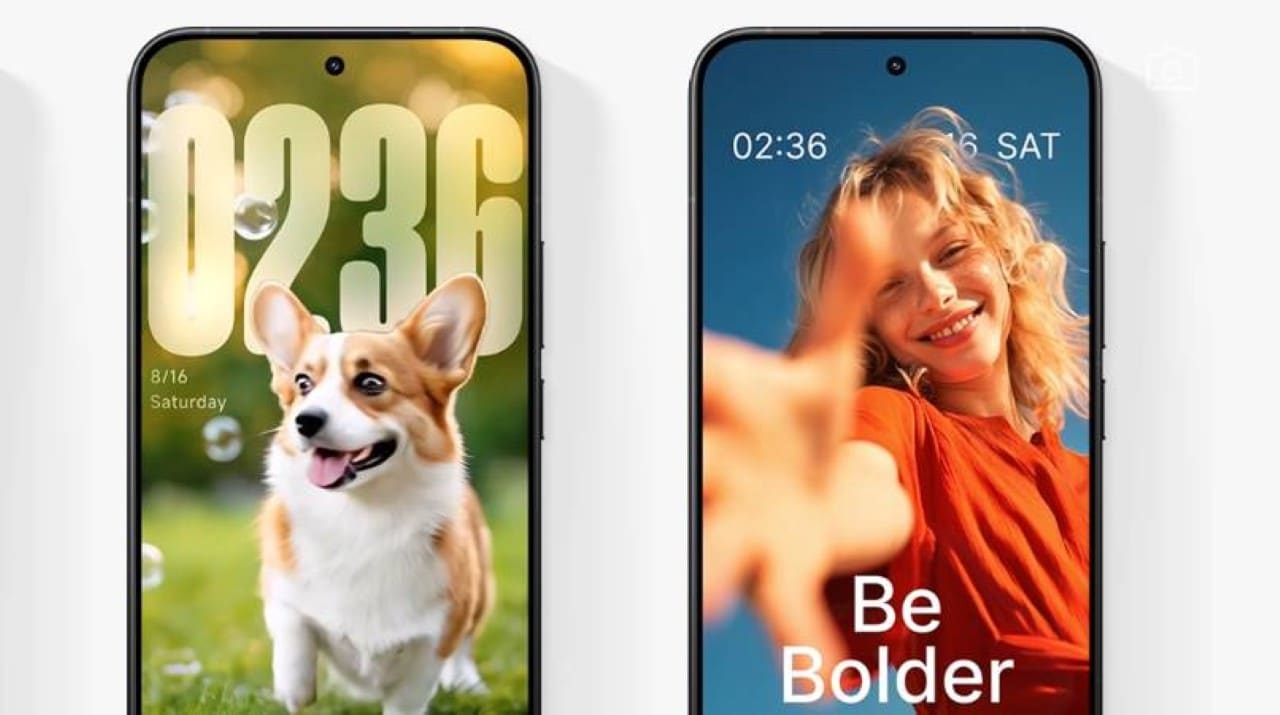
Xiaomi announced the start of the final phase of HyperOS 3 distribution in Chinese territory. The company released the stable version of the interface for 20 new devices, ranging from smartphones launched in previous years to tablets and smart TVs.
This expansion consolidates the complete transition to the brand’s new software architecture in the domestic market. The schedule started in October last year is now approaching total closure at China.
The update includes flagship models like the Xiaomi 12S series and more affordable devices from the Redmi line. The manufacturer maintains its promise to unify proprietary resources across the entire ecosystem, regardless of the Android base.
Devices included in the final phase
The list released by Xiaomi covers devices from different categories and years of release. Todos receive specific builds adapted to the hardware of each model.
The flagship smartphones of the Xiaomi 12 and 12S series stand out for receiving the update based mainly on the Android 15. Já newer models operate with the Android 16 core, ensuring compatibility with the most advanced new features.
- Xiaomi MIX Fold 2 — OS3.0.3.0.VLRCNXM
- Xiaomi 12S Ultra — OS3.0.2.0.VLACNXM
- Xiaomi 12S Pro — OS3.0.2.0.VLECNXM
- Xiaomi 12S — OS3.0.2.0.VLTCNXM
- Xiaomi 12 Pro — OS3.0.2.0.VLBCNXM
- Xiaomi 12 — OS3.0.2.0.VLCCNXM
- Xiaomi Civi 3 — OS3.0.1.0.VMICNXM
- Xiaomi Civi 2 — OS3.0.1.0.VLLCNXM
- Redmi K50 Extreme Edition — OS3.0.1.0.VLFCNXM
- Redmi Note 15R — OS3.0.5.0.VNQCNXM
The inclusion of tablets such as the Redmi Pad Pro reinforces the multiplatform integration strategy. Smart TVs are also on the list, expanding the unified experience to the home environment.
Features implemented in HyperOS 3
HyperOS 3 introduces significant improvements to the interface and overall performance. Xiaomi focused efforts on reducing latency when opening applications and improving the fluidity of animations.
HyperIsland emerges as one of the main visual novelties, offering dynamic interactions on the screen. Novos lock screen styles with depth of field effect complement the available customization options.
Background resource optimization contributes to greater energy efficiency. Usuários report greater smoothness in daily browsing after installing the stable version.

Differences between bases Android
Older models receive HyperOS 3 over Android 15, maintaining proven stability. Essa choice allows 2021 and 2022 devices to remain competitive with modern features.
Recently launched devices use Android 16 as a native base. The disparity does not preclude uniform delivery of Xiaomi’s proprietary functionality across the board.
The manufacturer ensures that security updates will continue to arrive regularly. Integration between ecosystem devices remains a priority regardless of the operating system version.
Expansion to tablets and smart TVs
The Redmi Pad Pro and its 5G variant join the list with dedicated builds. Essas updates optimize the experience on larger screens, including improved multitasking support.
The Xiaomi and Redmi smart TVs receive specific versions of HyperOS 3.
The inclusion of TVs reinforces the company’s vision of a connected ecosystem. Usuários can control mobile devices directly through the television with greater convenience.
Timeline for the global market
Xiaomi confirmed that the international distribution of HyperOS 3 is progressing in defined stages. Full completion is scheduled for the end of March 2026 in all regions.
Models from lines Xiaomi 14 and Redmi Note 15 receive priority in the global rollout. Dispositivos older ones will be included in subsequent lots according to planning.
The company maintains official channels updated on progress in each country. Usuários outside of China can track the status through system settings.
Preparation for future updates
The completion of HyperOS 3 at China coincides with hints about the next generation. Recent Vazamentos point out that HyperOS 4 is already under internal development at Xiaomi.
The manufacturer gradually removes legacy codes from MIUI in the new version. The focus is on greater component independence and advanced integration of artificial intelligence.
Although there is no official date, HyperOS 4 should bring an even more optimized architecture. The current HyperOS 3 transition paves the way for these future evolutions.
Benefits for users of old devices
Owners of models like the Xiaomi 12 series gain new life with the update. Recursos modern devices reach devices launched several years ago, extending effective support.
Xiaomi demonstrates commitment to longevity by including 2021 and 2022 flagships. Essa policy differentiates the brand in the extended refresh segment.
Users report noticeable gains in performance after installation. The revamped interface maintains familiarity while introducing contemporary elements.
Integration between product categories
The simultaneous update for smartphones, tablets and TVs reinforces the ecosystem’s connectivity. Transferência files and remote control become more intuitive between Xiaomi devices.
Features such as screen mirroring and task continuity flow better after HyperOS 3. The manufacturer invests in this unification as a competitive differentiator.
The strategy ranges from premium devices to entry-level options. Todos covered users access the same core set of proprietary functionality.
The final phase of HyperOS 3 on the China represents an important milestone in the evolution of the Xiaomi software. The company consolidates its presence in multiple categories with a single, optimized interface.



