
Acemagic Retro X3 mini-PC combines nostalgic design and the power of AMD Ryzen 7 in a barebones version in China By Maria
6 min read
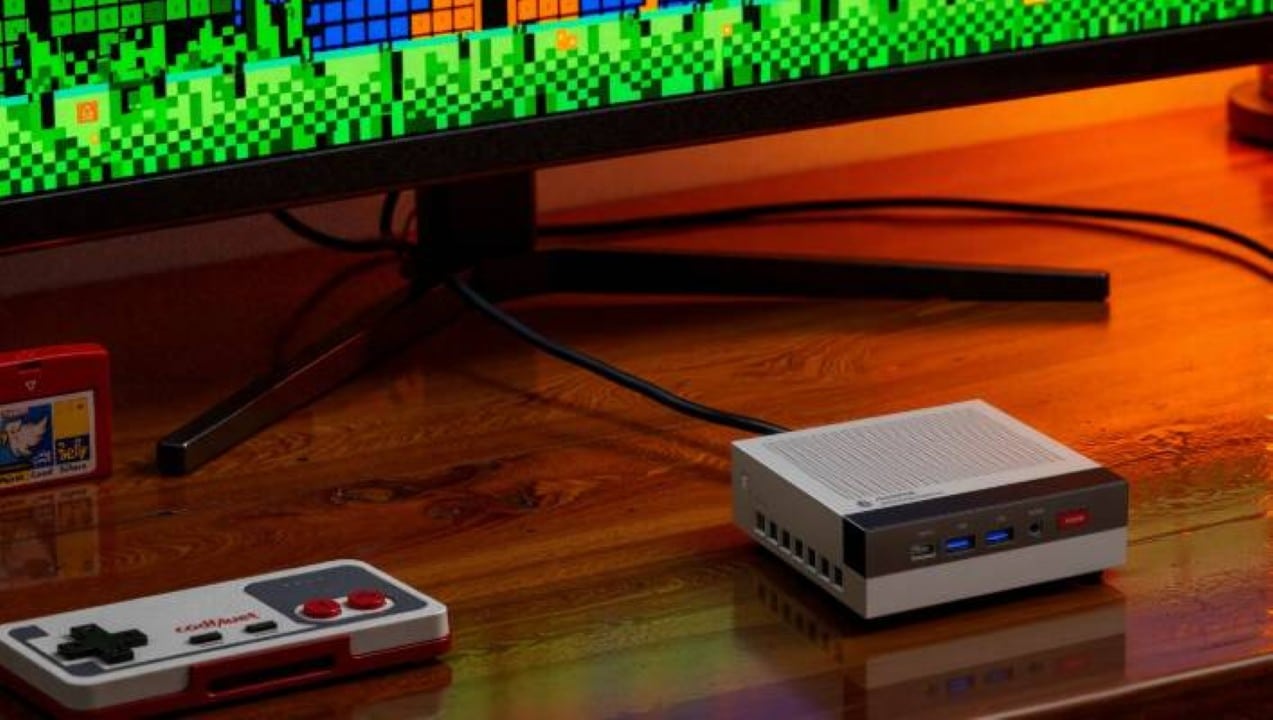 |
Acemagic has officially announced the launch of its new compact computer, the Retro X3, in the Chinese market. The device stands out for combining a design strongly inspired by classic consoles from the 80s and 90s with modern, high-performance hardware components, such as the AMD Ryzen 7 processor.
The model initially arrives in a “barebones” configuration, that is, without RAM memory and without SSD storage units. Essa strategy allows consumers to customize the machine according to their specific needs and budget, as well as significantly reducing the initial purchase cost. The company positions the Retro
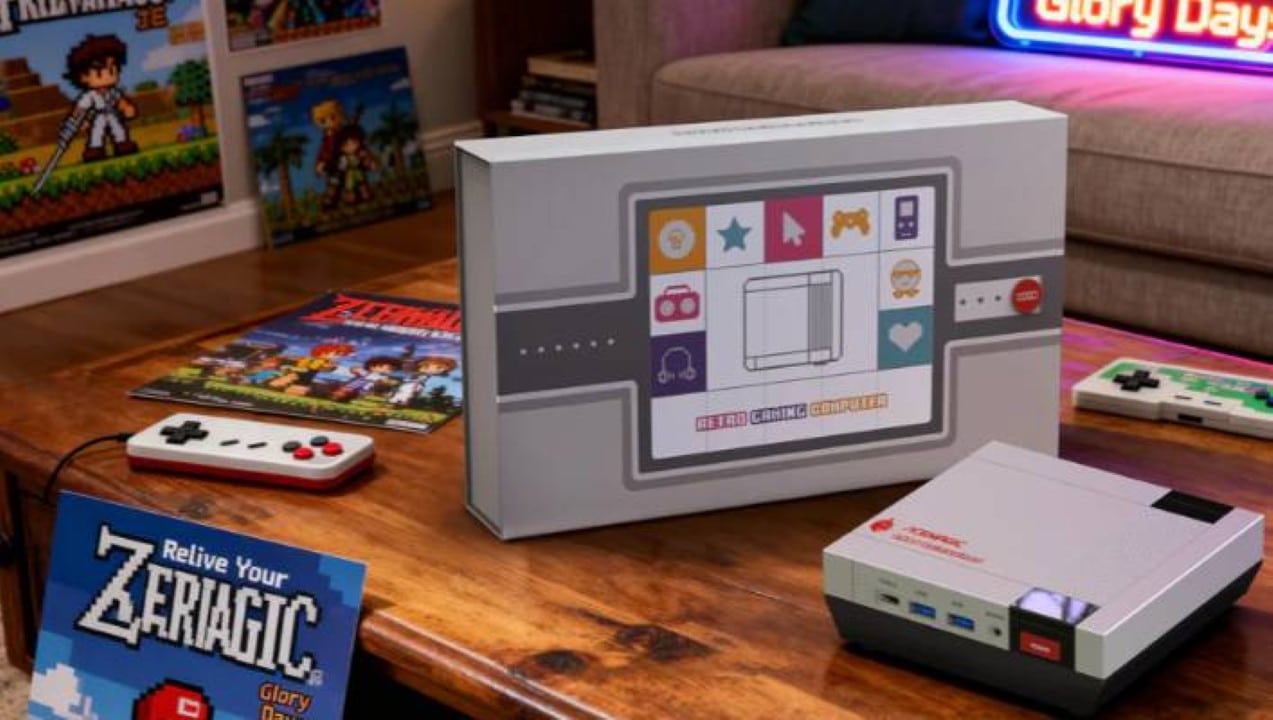
Weighing approximately 406 grams, the device is extremely portable and can be easily integrated into any environment, be it an office desk or a media center bookshelf. The proposal is to offer a versatile alternative that covers everything from productivity and multitasking tasks to the consumption of multimedia content and lighter games, all in a compact chassis with a unique look that evokes memories of old electronic equipment.
Processor power and graphics capacity
The heart of the Acemagic Retro X3 is the AMD Ryzen 7 7840HS processor. Fabricado with modern 4 nanometer technology and based on the Zen 4 architecture, this chip offers eight processing cores and 16 threads, which guarantees robust performance to handle multiple tasks simultaneously and run demanding applications smoothly. Operating frequencies range from 3.8 GHz in base clock and can reach up to 4.9 GHz in boost mode, ensuring agility and responsiveness in different usage situations.
For graphics performance, the mini-PC features the AMD Radeon 780M integrated unit. Baseada in the RDNA 3 architecture, the same used in more recent video cards, this iGPU has 12 computing units and is capable of running lighter games in 1080p resolution with satisfactory frame rates, in addition to accelerating moderate graphics applications, such as photo and video editing at an amateur level. Essa integrated graphics solution represents an excellent balance between performance and power consumption, eliminating the need for a dedicated graphics card for most users.
Unlike other models from the brand, the Retro X3 does not include an NPU (Processamento Neural Unit), a component dedicated to artificial intelligence tasks. Essa hardware design choice shifts the product’s focus toward traditional CPU and GPU performance, making it a more affordable option for those who don’t require AI-specific acceleration but still seek considerable processing power for everyday activities and entertainment.
Memory and storage flexibility
One of the main attractions of the Retro X3 is its high capacity for expansion and customization, especially with regard to RAM memory. The device comes equipped with two SODIMM slots that support DDR5 memory modules with speeds of up to 5600 MHz.
When it comes to storage, flexibility continues. The mini-PC offers two M.2 2280 slots compatible with PCIe 4.0 technology, which allows the installation of very high-speed SSDs. Cada one of the slots can accommodate up to a 4TB drive, totaling a potential 8TB of fast internal storage. Essa feature is ideal for users who need a lot of space to store large game libraries, media files or complex work projects.
Acemagic’s decision to sell the model in a barebones version reinforces this modularity proposal. When purchasing the product without RAM and SSD, the buyer has complete freedom to choose the components that best suit their usage profile and budget. Isso not only avoids wasting parts that could come pre-installed and not be ideal, but also allows enthusiasts who already have these components to reuse them.
Access to the chassis interior was designed to be simple and quick. Botões releases located on the sides allow you to remove the top cover without the need for tools, facilitating the process of installing or upgrading internal components. Essa ease of maintenance extends the useful life of the equipment and encourages the user to always keep it up to date with the best parts available on the market.
Design details and classic inspiration
The external design of the Retro X3 is a clear homage to computers and consoles of the past. The chassis, made of resistant plastic, uses a color palette that combines shades of beige and gray, directly referring to the aesthetics of electronics from the 80s and 90s. A detail that reinforces this visual identity is the power button, which has a prominent shape and a vibrant red color, an iconic design element from that time. Apesar classic appearance, materials were chosen to ensure adequate heat dissipation, supporting the active cooling system during prolonged use.
Practicality was a pillar in the development of the office. The tool-less opening system is an important differentiator, allowing the user to access memory and storage slots in a matter of seconds. Essa feature is especially beneficial for those who like to perform frequent upgrades or need to perform periodic maintenance on internal components. Smart design combines nostalgic form with modern function, creating a product that is both beautiful and easy to handle.
Connectivity and available ports
Despite its compact size, the Acemagic Retro X3 offers a comprehensive set of ports and connectivity options that rival traditional-sized desktops. The front panel was designed for quick access, featuring a USB-C port with support for the USB4 standard, which offers speeds of up to 40Gbps, two USB-A ports and a P2 audio input for headphones and microphones. The USB4 port is a highlight, as it allows not only ultra-fast file transfer, but also the connection of multiple monitors and even external video cards (eGPUs) via a single cable, drastically expanding the device’s capabilities. On the back, the variety of connections continues, including an HDMI 2.1 port, a DisplayPort 2.0, a 2.5 Ethernet network port for high-speed wired connections and four more USB-A ports. Essa combination of video outputs allows the mini-PC to support up to three monitors simultaneously, making it an excellent workstation for professionals who rely on multitasking. Para wireless connections, the device is equipped with Wi-Fi 6 and Bluetooth 5.2 technologies, ensuring fast and stable communication with networks and peripherals.
Pricing strategy and initial launch
Acemagic adopted an aggressive pricing strategy for the launch of the Retro X3 at China. The barebones version is being sold for 1,899 yuan, which is equivalent to approximately R$1,450 in direct conversion, without considering import taxes and other fees. Este value positions the mini-PC as an excellent cost-benefit option for those looking to build a powerful system from a solid foundation.
For now, product availability is restricted to the Chinese market, and the company has not yet released information about a possible launch in other regions, such as Europa or Américas. It is likely that complete configurations, with RAM and SSD memory already installed, will begin to appear in third-party retailer stores in the coming months, catering to an audience that prefers a ready-to-use solution.
Internal cooling system
To keep the powerful AMD Ryzen 7 processor operating at safe temperatures, the Retro X3 utilizes a well-designed, active cooling system. Ele consists of a fan that directs airflow through a duct directly over the chip’s heatsink. Cool air is drawn in through the side vents of the chassis and hot air is expelled from the rear, an efficient design that prevents the build-up of heat and dust inside the case, ensuring thermal stability even under intense workloads.











