

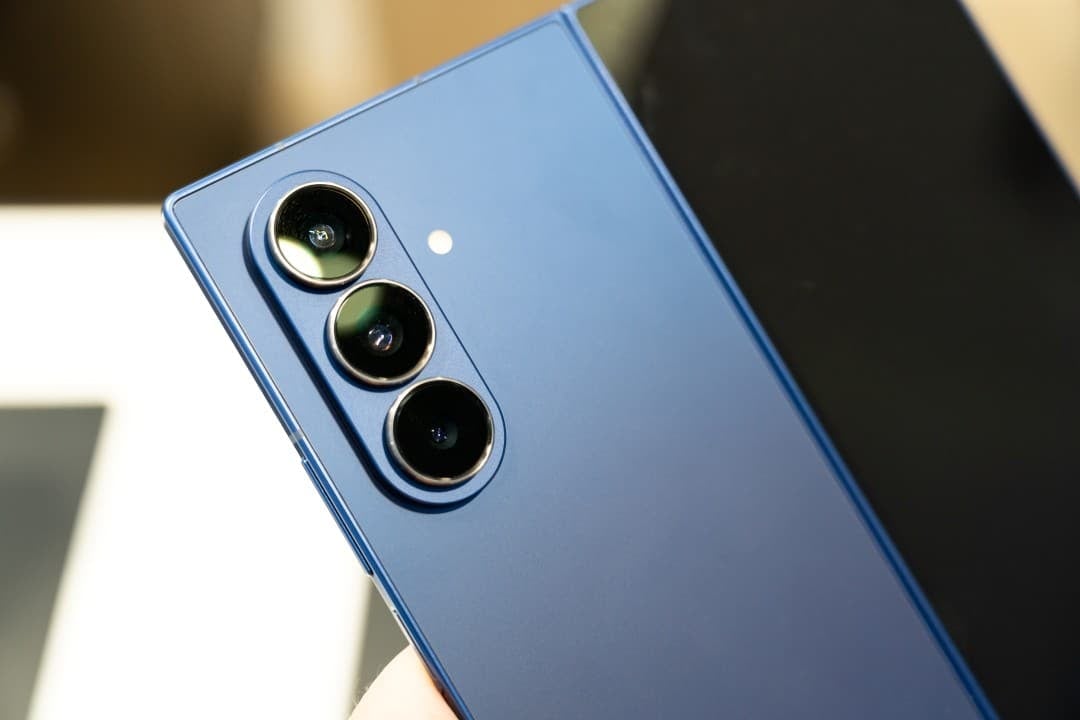
In 2026, the Android smartphone market presents intermediate options that are increasingly competent in performance and battery. However, top-of-the-line models continue to attract specific buyers due to their superior cameras. A recent analysis points out that photographic quality remains the deciding factor for many users.
Industry experts highlight that features such as high-performance telephoto lenses rarely appear on more affordable devices. Essa technical difference directly influences the choice of consumers who prioritize versatile photography. Enquetes carried out on specialized portals confirm this trend at the beginning of the year.
Premium models offer hardware and software combinations that elevate the everyday and professional shooting experience. Fabricantes Chinese and Korean leaders in this segment with constant innovations.
Technical differences between flagships and intermediaries
The top-of-the-line Android smartphones of 2026 incorporate larger sensors and wide apertures in the main cameras. Esses components ensure better performance in low-light conditions and fast-motion captures.
Intermediate models, although they advance quickly, are limited in quality optical zoom. The absence of dedicated periscopic lenses reduces versatility at longer distances.
- 200 MP telephoto sensors appear exclusively on flagships such as the Xiaomi 15 Ultra and Vivo X200 Pro.
- Advanced AI image processing optimizes colors and details in real time.
- 8K video support with superior stabilization differentiates the premium from the affordable.
- Professional modes such as macro focus and personalized color profiles enrich the options.
These technical characteristics explain the preference of amateur and professional photographers for more expensive models.
Importance of telephoto lenses
Telephoto cameras represent the most cited difference in 2026 analyses. Elas allow optical zoom of 5x or more without significant loss of quality.
Manufacturers such as Vivo and Oppo integrate periscopic modules with large sensors into these premium devices. Isso results in sharp images even on distant subjects.
On intermediate devices, digital zoom predominates and causes excessive noise above 3x. Exceções like Realme 16 Pro Plus exist, but they do not reach the top of the line level.
Comparative tests show superiority in portraits with natural blur and captures of sporting events. The combination with advanced optical stabilization reinforces this practical advantage.

Performance in challenging conditions
Premium smartphones handle mixed lighting and night scenes better thanks to refined algorithms. Larger sensors capture more light and reduce unwanted grain.
Models like the Samsung Galaxy S25 Ultra maintain detail in deep shadows without overexposure in highlights. Essa capability extends to high frame rate videos.
Intermediates have improved in this regard, but face limitations in extreme dynamic range. The difference becomes evident in photographs of cityscapes at dusk.
Features such as dedicated night mode and multiple exposure fusion operate more efficiently on flagships. Usuários report more consistent results on trips and family events.
Premium ultra-wide cameras
Ultra-wide lenses on high-end devices offer resolutions of 50 MP or more with minimal distortion. Elas are suitable for both wide photos and stabilized videos.
Brands use these modules for recording in Super Steady or up to full 8K. Superior optical quality prevents blurring during fast movements.
In comparison, intermediaries have smaller sensors and less accurate digital correction. Isso affects architectural compositions and group shots in confined spaces.
Integration with main cameras allows for smooth transitions in hybrid zoom. Essa versatility benefits content creators who record daily vlogs.
Unique software features
Manufacturers reserve advanced editing and capture tools for premium lines. Perfis color Leica on Xiaomi and XPAN modes on OnePlus exemplify this.
Cloud-based resources such as Video Boost and Google process recordings with greater computational power. Esses extras do not reach the most basic models of the same brand.
Modes like Action Pan and Camera Coach guide inexperienced users to professional results. Their absence in intermediaries limits creative potential.
Prolonged updates ensure continuous evolution of these software for years. Isso keeps flagships relevant for longer in terms of photography.
Examples of models highlighted in 2026
The Xiaomi 15 Ultra leads the rankings with a 1-inch main sensor and a 200 MP telephoto lens. Ele delivers variable optical zoom and natural colors in a variety of conditions.
The Vivo X200 Pro impresses with Zeiss partnership and fast autofocus in low light. Seus macro and portrait results receive consistent praise.
Samsung Galaxy S25 Ultra balances powerful hardware with an intuitive editing interface. The set of four cameras covers practically all scenarios.
Oppo Find X9 Pro excels in video with advanced stabilization and high-resolution capture. Ele competes directly in the night performance tests.
Google Pixel 10 Pro prioritizes computational processing for realistic photos. Seu minimalist hardware approach pays off with intelligent algorithms.
Limitations of intermediaries despite advances
Devices like the Nothing Phone 3a and Pixel 10a offer competent cameras for casual use. Eles captures clear daytime images and videos in stable 4K.
However, it lacks dedicated lenses for long zoom and full pro modes. Simplified processing results in less detail in complex situations.
Lower prices appeal to most consumers who don’t prioritize extreme photography. Esses models serve social networks and everyday records well.
Rapid evolution reduces the gap, but flagships maintain leadership in absolute versatility. Essa reality defines the divided market in 2026.
Future trends in the premium segment
Manufacturers plan even larger sensors and greater AI integration for 2026 and beyond. Recursos as continuous zoom without moving modules gain space.
Optical partnerships with traditional brands continue to improve lens quality. Isso raises the bar for professional portraits and landscapes. Vídeo at high resolutions with expanded HDR becomes standard on high-end devices. Essas innovations justify investments for dedicated creators.
The focus on versatile cameras persists as a differentiation strategy. Modelos premium consolidate position for demanding users.



