
Donald Trump rebukes Bad Bunny’s performance at the Super Bowl LX Halftime Show, calling it an affront to America By Luís Henrique Costa
4 min read
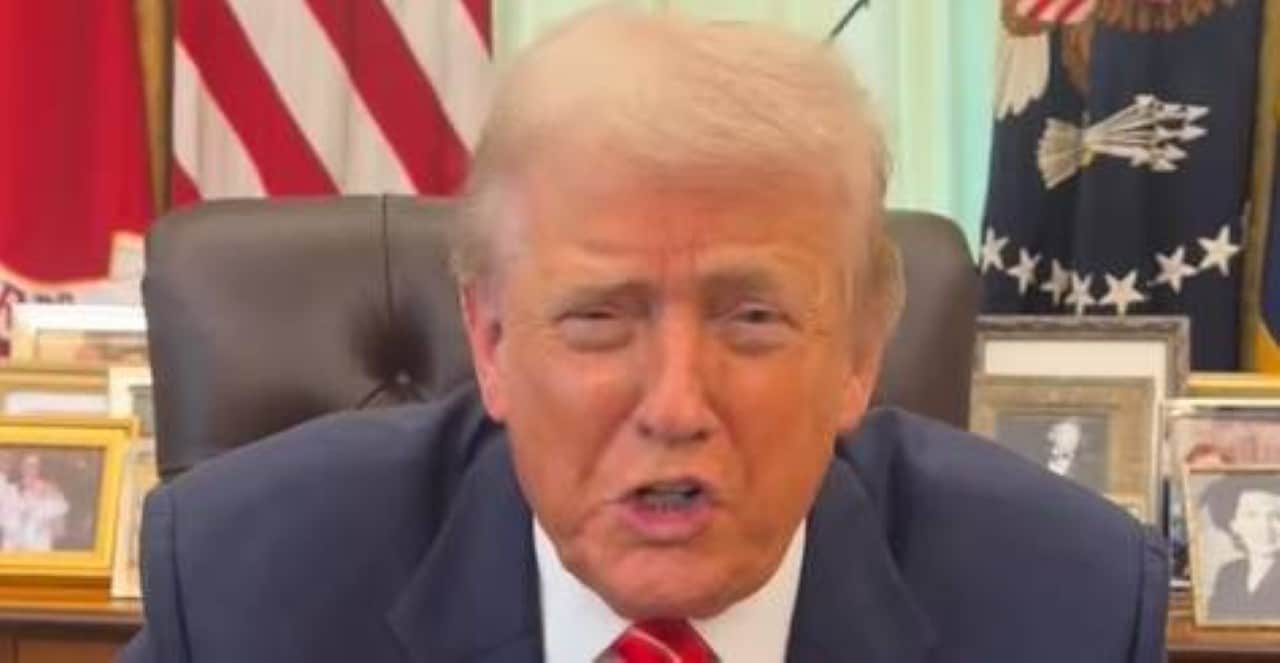 |
The former president of Estados Unidos,
The presentation, held at Levi’s Stadium, at Califórnia, during the final between New England Patriots and Seattle Seahawks, generated immediate polarization. Trump argued that the show was an “affront to the greatness of América”, moving away from the expected standards of success and creativity for an event of such global magnitude.
He went on to state that “no one understands a word this guy is saying, and the dancing is disgusting.” Para the former president, the performance represented a “slap in the face of our country”, at a time when the Estados Unidos, according to him, were setting new records and standards in several areas.
The Halftime Show Controversy
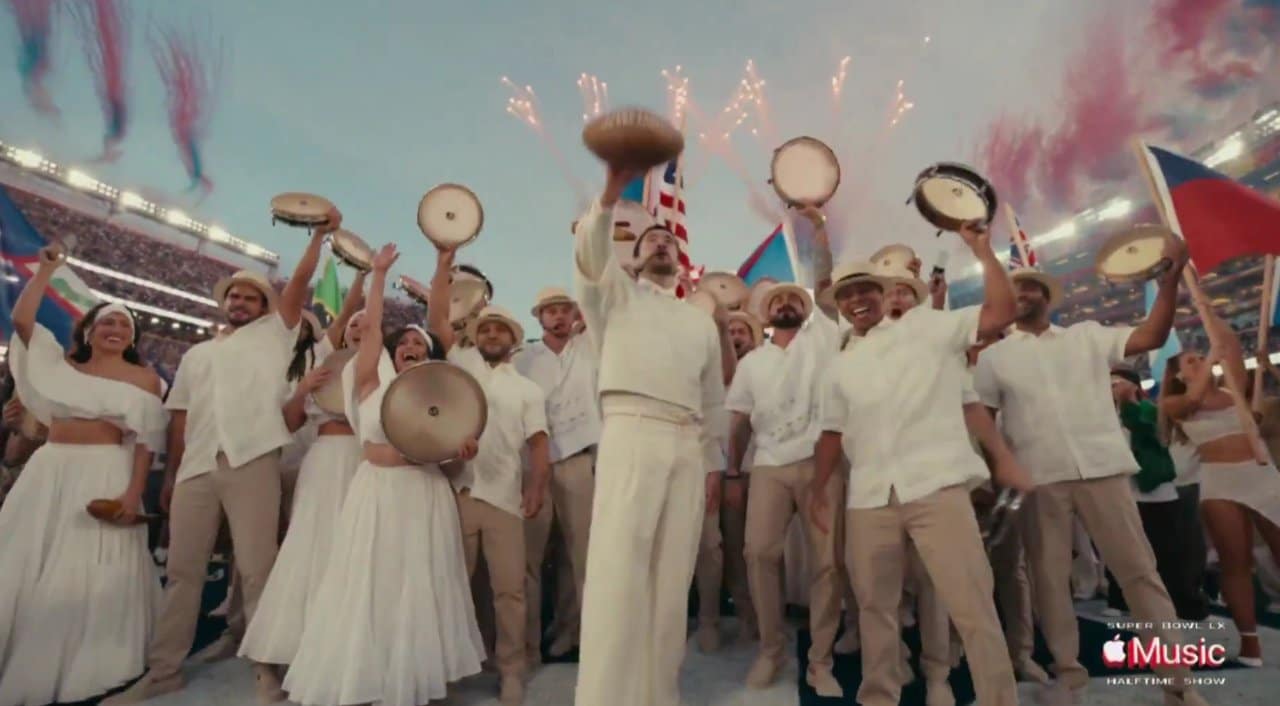
The Super Bowl halftime show is one of the most visible stages in the world, with an audience that exceeds 100 million viewers on Estados Unidos alone. Tradicionalmente seen as a harmless entertainment event, its primary function is to keep the audience engaged and guarantee stratospheric advertising revenue for the broadcast.
However, recent history shows that the event is not immune to controversies, which sometimes end up amplifying its impact. Desde From provocative gestures to politicized messages, the presentations have become cultural and political thermometers, especially in years of social ferment and polarization.
The political voice of Bad Bunny
The choice of Bad Bunny for the halftime show had already sparked debate even before his performance, especially among Trump’s supporters. Conhecido Due to his political positioning and social engagement, the Puerto Rican singer integrates the message into his work and public appearances.
In 2019, the artist suspended a tour to join massive protests against the governor of Porto Rico, Ricardo Rosselló, becoming a prominent figure in local activism. Sua identification with Latin culture and the exclusive use of Spanish in his songs are trademarks that he never gave up to conquer the North American market, unlike other Latin artists who adapted their identity for international success.
Her compositions, rooted in reggaeton and Latin trap, often incorporate musical and lyrical references that celebrate Puerto Rican and Latin American culture, from classics to tributes to icons such as “Garota de Ipanema”. Bad Bunny’s music and message are intrinsically linked to his identity and the causes he defends.
Social tension and immigration in the Estados Unidos
The presentation of Bad Bunny occurred during a period of intense social unrest in the Estados Unidos. The country was experiencing a wave of demonstrations against ICE (US Service of Imigração and Alfândega), triggered by deaths attributed to the agency in Minnesota and other controversies related to immigration policies.
The choice of a Latino artist with a strong appeal to the immigrant community and a clear political stance was perceived by many as an act of cultural affirmation and a response to anti-immigration rhetoric. Antes of the event, there were concerns about the presence of ICE agents at Super Bowl, although the NFL’s head of security later denied such participation.
The tense climate regarding anti-immigration actions amplified the political burden on the performance of Bad Bunny, which became a symbol of resistance and representation for a portion of the population, at the same time that it provoked negative reactions from other sectors.
Reactions and audience polarization
Donald Trump’s criticism reflected a feeling among his supporters, some of whom even organized “parallel programs” in protest against the artist’s choice. The polarization surrounding the Bad Bunny show illustrates how pop culture and major media events have become battlegrounds for political and social debates.
Para the defenders of Bad Bunny, their performance at Super Bowl was a moment of celebration of Latino culture and a powerful statement of identity and resistance. For his critics, however, the performance was seen as inappropriate for an event that should, in his vision, unite the country around sport and entertainment.
This dichotomy demonstrates the depth of the political and cultural divisions that permeate North American society. Super Bowl, once a catalyst for unity, now reflects the fractures and intense debates shaping the country’s political landscape, turning the halftime show into a mirror of social tensions.
History of demonstrations in Super Bowl
Super Bowl, despite its family entertainment image, has a history of moments that generated discussions and controversies, with some artists using the stage for statements or demonstrations. In 2012, singer M.I.A. caused a stir by showing the middle finger during his performance.
In 2016, Beyoncé, alongside Coldplay, gave a remarkable performance dressed as Panteras Negras, releasing a new song with a strong theme about blackness, which had an intense impact. Mais recently, in 2025, a dancer from Kendrick Lamar displayed flags of Palestina and Sudão, an act that resulted in his arrest and generated great debate.
These previous incidents have set a precedent for Super Bowl as a platform where political and social messages can emerge, intentionally or unintentionally, sparking discussions that transcend sports and entertainment, aligning with growing awareness of the cultural influence of such events.
The global stage and cultural message
The repercussion surrounding the Bad Bunny show highlights the immense responsibility and potential impact that the Super Bowl stage carries. Artistas chosen for the event are automatically elevated to the status of cultural spokespersons, whether they want to or not.
The performance of an artist like Bad Bunny, whose identity and work are intrinsically linked to issues of ethnicity, language and politics, naturally provokes intense reactions. The event demonstrates how art and sport are increasingly intertwined with current social and political discussions, transforming entertainment into a forum for the expression of ideas and the confrontation of values.











