Google releases February patch for Pixels with security fixes and restrictions for Japan
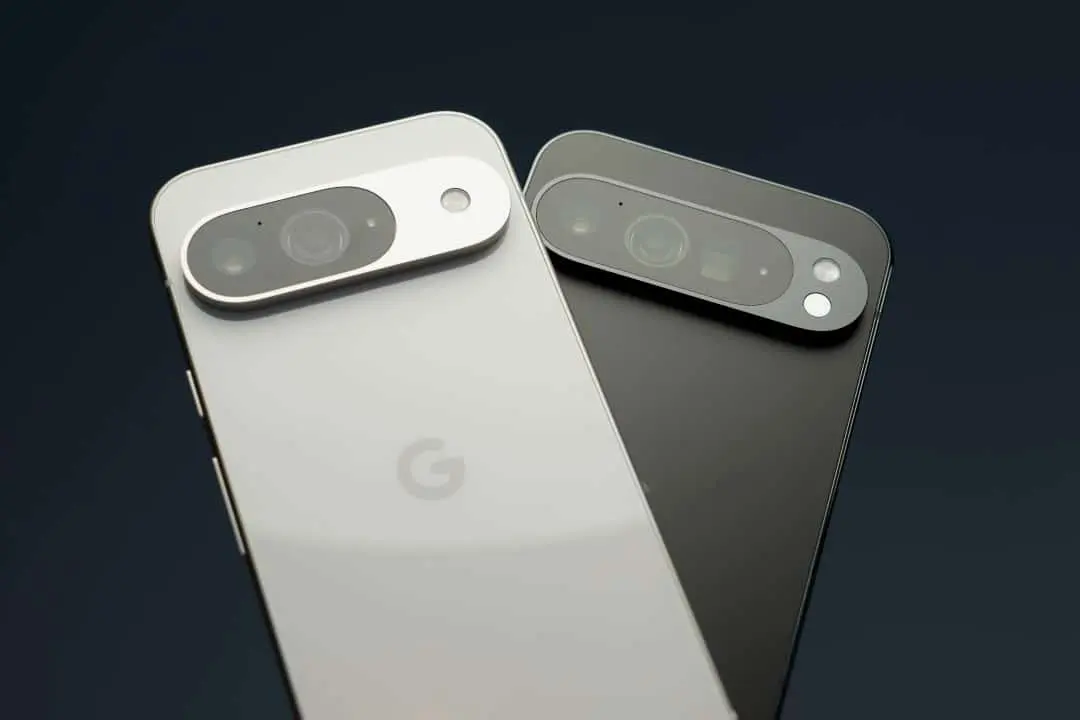
Google has begun rolling out the February 2026 security update for its Pixel line of smartphones and tablets. The package, which raises the security patch level of the Android system, is being released gradually for compatible devices, with availability varying depending on the telephone operator and the user’s region.
Unlike larger updates, this package is focused exclusively on improving system protection and does not include new visual features or functionality. Owners of eligible devices will receive an automatic notification to perform the installation, but it is also possible to perform a manual check through the system settings menu.

The company’s recommendation is that the installation be carried out as soon as the update is available. The process ensures that the device is protected against newly identified threats and vulnerabilities while maintaining the integrity of user data. The time for the update to reach all devices may take a few days.
Details about the patched vulnerability
The main highlight of this update is the correction of a security flaw considered high risk, located in the VPU driver (Visual Processing Unit) of the devices. The vulnerability, if exploited, could allow a malicious actor to obtain an elevation of privileges on the system, gaining access to restricted areas and potentially compromising sensitive user information. The Android security bulletin technically details the flaw, specifying its direct impact on Pixel line devices. Google reported that, at the time of patch release, there was no evidence that this vulnerability was being actively exploited in attacks. Além of this critical fix, the package also implements other minor tweaks to improve the overall stability of the operating system.
Pixel models included in the global update
The global version of the February security update covers a wide range of the brand’s devices, ensuring that the latest and most popular models receive the necessary protections. The list of eligible devices starts from the mid-range generation launched in recent years.
Among the smartphones that receive the package are the Pixel 7a, in addition to the entire main line consisting of the Pixel 8, Pixel 8 Pro and the more affordable Pixel 8a. Coverage extends to younger generations, which are also part of the update schedule.
Learn more: Samsung Galaxy Tab S9 receives important July security patch
The Pixel 9 series models, including the Pixel 9, 9 Pro, 9 Pro XL and the foldable 9 Pro Fold, are on the compatibility list. The same goes for the intermediate model Pixel 9a, which also includes security fixes.
The list is completed by devices from the Pixel 10 line, such as the 10 Pro and 10 Pro XL, along with the foldable Pixel Fold and Pixel Tablet. Essa broad coverage reaffirms the company’s commitment to providing ongoing and robust software support for its hardware ecosystem.
Specific restrictions for the Japanese market
An important particularity of this update concerns the Japanese market. Dispositivos Pixel sold directly by local carriers in Japão have a different support schedule than the global version, resulting in limitations for some older models.
In this scenario, only devices from Pixel 9a onwards are receiving the February security patch. Isso means that models like the Pixel 7a and the entire Pixel 8 family, in their Japanese domestic versions, will not be updated this cycle.
More on this story: Critical flaw in Zoom allowed remote control of devices during calls
See Also


It is essential to highlight that this restriction does not affect global version devices that are used in the Japão or imported models. The differentiation occurs due to certification processes and specific software adaptations to the networks and regulations of Japanese operators.
Variations in build numbers by region
To manage distribution across different markets and networks, Google uses different compilation numbers, or “builds”, for each version of the software. Essa technical segmentation ensures maximum compatibility and system stability in each location. For example, Japanese domestic models receive a specific build, identified by the C1 ending in their code, which is exclusive to that market and its operators.
Meanwhile, global devices use a standard build, which serves most countries, including Brasil. Existem and other variations, such as those aimed at the Europa, Users can check the installed build number by accessing system information on their devices.
On the same topic: Samsung expands April security update to Galaxy A07, A16 5G and A35
How to install the security patch
For owners of eligible Pixel devices, the update process is simple and can be done directly on the device. The way to check the availability of new software is through the settings menu.
Within the settings, the user must navigate to the “System” section, select the “System updates” option and then tap “Check for update”. If the package is already released for the device, the download will start automatically via OTA (Over-the-Air). Após completion, a restart will be required to apply the fixes.
Impact to users on Brasil
Users of Pixel smartphones on Brasil do not need to worry about restrictions applied to the Japanese market. Devices sold or imported into Brazilian territory correspond to the global version.
This way, all models listed in global coverage, starting from Pixel 7a, will receive the February security update normally, without any type of regional limitation. Distribution in the country follows the standard Google schedule.
The importance of the Google update schedule
The policy of monthly security updates is one of the pillars of Google’s strategy for the Pixel line, positioning its devices as a reference in software protection and longevity in the Android ecosystem. The company is committed to providing these patches for a minimum of five years for older models and up to seven years for newer generations, ensuring devices remain secure against emerging threats long after launch.
More on this story: Z.ai’s new GLM-5.3 advances in cybersecurity and coding, revealing vulnerability in Cursor