
New BYD technology allows ultra-fast charging of 400 km in just five minutes with 1360 kW

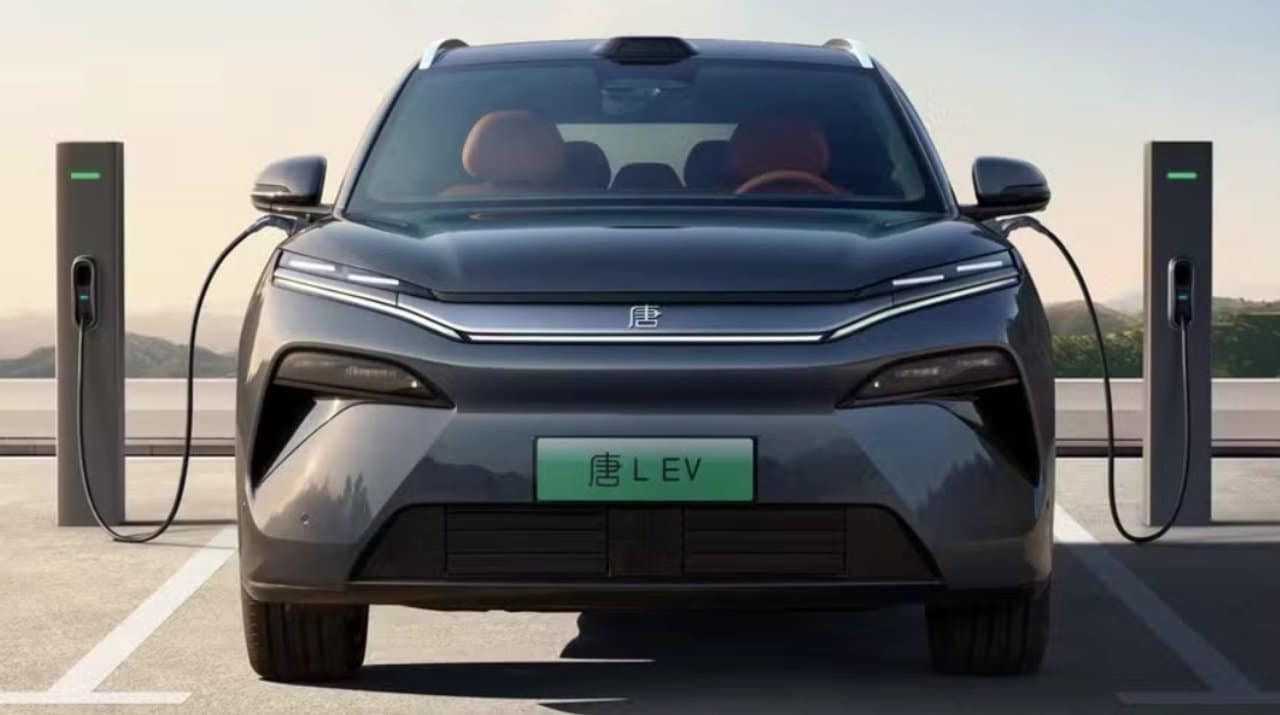
BYD revealed the development of a second-generation charging system capable of reaching a maximum power of 1360 kW. The technology, detailed in internal documents circulated in China, represents a significant leap in infrastructure for electric vehicles, promising to redefine the user experience over long distances.
The advancement allows a compatible electric vehicle to add approximately 400 kilometers of range in just five minutes of connection. Este performance was validated in real-use conditions, not limited to controlled laboratory tests, which demonstrates the maturity of the solution.

With this innovation, the Chinese manufacturer seeks to equate the recharging time of its vehicles with the time needed to refuel a combustion model at a gas station. The new technology is compatible with the brand’s Super e-Platform architecture, which operates at a high voltage of 1000 volts to ensure efficiency and safety.
Evolution of technology
This new phase of the Flash Charging system follows the first generation, launched in 2025, which already operated with a significant power of 1000 kW. The previous version laid the foundation for ultra-fast charging, but the update takes performance to a new level, supporting charging rates in excess of 10C, a metric that indicates how quickly a battery can be charged relative to its full capacity.
In addition to the increase in power, the project incorporates significant hardware improvements. The cables, which use a liquid cooling system to manage high currents, have been redesigned to be lighter, with a weight reduced to around two kilograms. Essa change facilitates handling by drivers and reduces physical wear and tear on the charging station components.
Technical specifications of the equipment
The charger design was optimized for urban installations, adopting a T-shape that occupies an area of approximately 1.5 square meters, facilitating its implementation in locations with limited space. The structure integrates advanced liquid cooling systems that are crucial for maintaining stable operating temperatures, even during power peaks of 1360 kW, which extends the life of all hardware. The energy storage capacity at each station has also been doubled, allowing more than 20 vehicles to be recharged consecutively without notable losses in efficiency, ensuring a high quality service even at peak times.
Vehicles compatible with the new platform
Full utilization of the 1360 kW charger relies on the Super e-Platform, a high-voltage architecture that serves as the technological foundation for BYD’s most advanced models. The first vehicles to receive this platform in mass production are the updated versions of the Han sedan and Tang SUV, positioning them at the forefront of electric performance.
The Han EV, for example, now has a 580 kW engine in its main configuration. Esse powertrain allows the sedan to accelerate from 0 to 100 km/h in just 2.7 seconds and reach a top speed of over 300 km/h, figures that place it in direct competition with high-performance supercars.
Following a similar performance line, the Tang EV combines high power with the space and versatility of a family SUV. The expectation is that other models in the BYD line will be progressively adapted to the new platform, which also allows the integration of Blade batteries with chemistry optimized to support ultra-fast charge cycles without accelerated degradation.
Comparison with competing solutions
BYD’s new solution establishes a considerable advantage over other existing charging infrastructure. Atualmente, the most powerful chargers on the Tesla network, for example, operate with a maximum power of around 400 kW. Isso means that the Chinese manufacturer’s proposal is almost three times faster at its peak capacity, which results in a drastic reduction in downtime.
Although other brands, especially China, are also developing high-power charging solutions, few have managed to reach the megawatt level in a commercially viable way. BYD’s leadership is consolidated by offering a complete ecosystem that combines the station’s advanced hardware with batteries specifically designed to support such recharge speeds.
This synergy between vehicle and infrastructure is essential to eliminate one of the main barriers to the adoption of electric cars: range anxiety and waiting time on long journeys. The practicality becomes comparable to that of traditional vehicles, making electric mobility an even more attractive option for the general consumer.
Advanced cooling technology in both the charger and battery plays a crucial role in preserving the life of the vehicle’s most expensive component. Testes company internals indicate that battery capacity is maintained even after multiple intense fast charge cycles, ensuring the durability of the owner’s investment.
Expansion plans at China
BYD has already outlined an ambitious plan to install more than four thousand units of the new charger throughout China. The implementation strategy prioritizes regions with high population density, such as large metropolises, and the main road routes that connect the country.
This robust network will significantly expand access to ultra-fast charging, offering users of compatible models extensive and reliable coverage. Investment in infrastructure follows the accelerated growth in sales of the brand’s electric vehicles in the local market, creating a virtuous cycle of supply and demand.
Presence and perspectives in Brasil
In the Brazilian market, BYD has also strengthened its presence, with the announcement of the installation of approximately 800 fast charging points in several locations. The company is still evaluating the feasibility and schedule for introducing the more powerful 1360 kW version in the country, which will depend on the evolution of the fleet and local demand.
The units already planned for the Brasil aim to strengthen the infrastructure for the models that are already sales success, such as the Dolphin and the Yuan Plus, in addition to preparing the ground for the arrival of more advanced vehicles, such as the new versions of the Han and the Tang. The expansion of the dealership network and partnerships with energy distributors are important steps in this direction.
These investments, which include the brand’s manufacturing expansion in the country, position BYD as a protagonist in the energy transition of the Brazilian automotive sector, offering not only the vehicles, but also the necessary infrastructure to guarantee a positive and convenient user experience for consumers.
Benefits for the end user
For the driver, the main benefit is the drastic reduction in time spent stopping to recharge during trips. The possibility of adding hundreds of kilometers of autonomy in the time of a coffee break transforms the logistics of long journeys, making them more efficient and less stressful.
Compatibility restricted to specific platforms, such as the Super e-Platform, ensures that the technology is used safely, as Blade batteries are designed to withstand intense cycling without premature loss of capacity. Além Furthermore, the high consecutive capacity of the stations prevents the formation of long queues in busy places, optimizing the flow of vehicles and improving everyone’s experience.



