

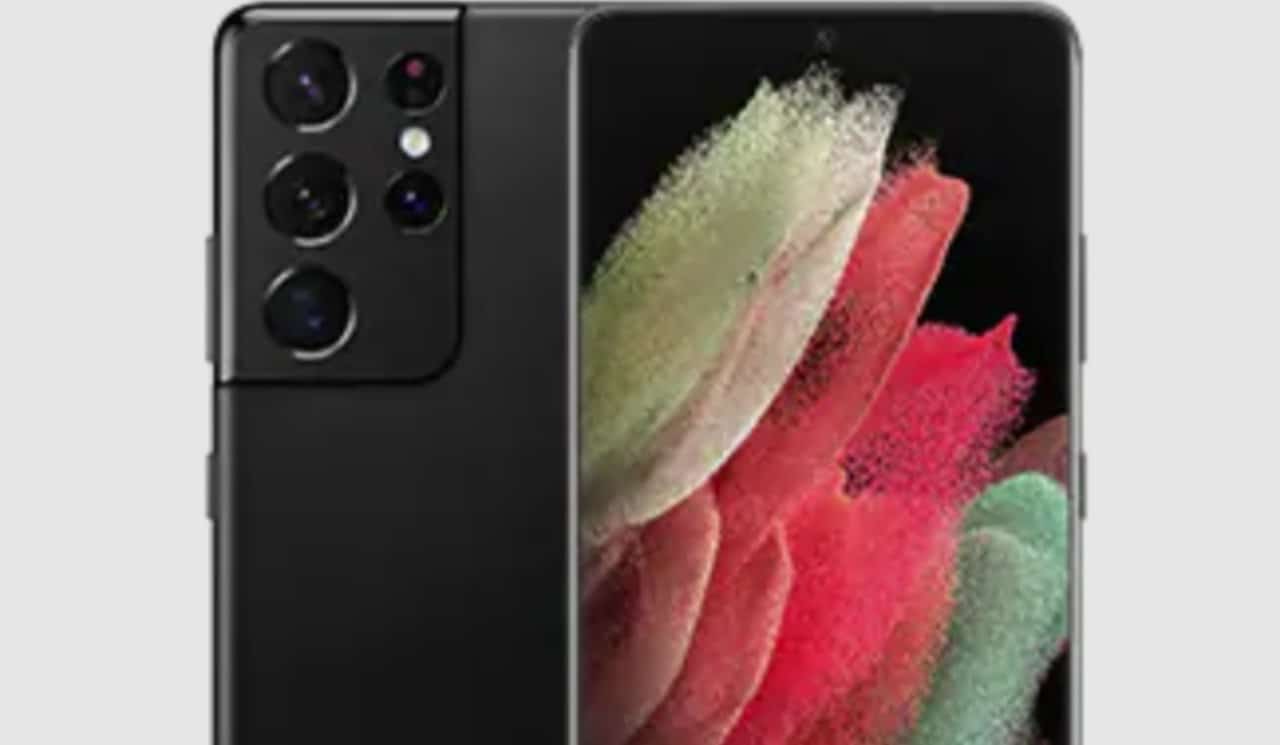
Samsung has officially confirmed the end of the security support cycle for three of its most popular models from the recent past. The Galaxy S21, Galaxy S21 Plus and Galaxy S21 of range.
The decision does not represent a breach of contract, but rather full compliance with the schedule established by the manufacturer at the time of launch. The South Korean company had promised four major updates to the Android operating system and five years of security patches. As a result, the devices will remain on version One UI 7, based on Android 15, as their last major software update, ending their active development lifecycle.
For the millions of users who still use these devices, the change means that new vulnerabilities discovered in the operating system will no longer be patched through monthly or quarterly patches. Embora devices remain fully functional, the lack of protection against emerging threats requires greater caution in daily use, especially when accessing public Wi-Fi networks and downloading applications from unverified sources.
What does the end of regular support mean?
The termination of regular security support for the Galaxy S21 line implies that devices will no longer receive the periodic fixes that Samsung and Google develop to protect the Android system against failures and malware. Essas updates are crucial to maintaining the integrity of user data, protecting sensitive information such as passwords, banking details and personal files against cyber attacks. Sem these patches, smartphones become progressively more vulnerable to new invasion techniques that constantly emerge. The manufacturer, however, maintains a policy of releasing emergency fixes for vulnerabilities considered critical, even for devices outside the standard cycle. Contudo, this practice is exceptional and there is no guarantee as to when or if such updates will be made available, leaving users in a state of uncertainty regarding continued protection. Portanto, the main consequence is the transfer of responsibility for digital security to the user, who must adopt more rigorous habits to minimize the risks associated with outdated software.
The trajectory of updates for the S21 series
Since its launch, the Galaxy S21 family has followed a consistent and predictable update schedule, reinforcing Samsung’s reputation for keeping its devices protected and with modern features. The devices hit the market running Android 11 under the One UI 3.1 interface, offering a refined software experience for the time.
Over the years, owners received major operating system versions of the Google on time. Android 12, accompanied by One UI 4, was released in November 2021, bringing significant visual changes and new privacy features. The streak continued with Android 13 (One UI 5) in November 2022 and Android 14 (One UI 6) in December 2023.
The last major system update was Android 15, with the One UI 7 interface, distributed in mid-2025. Essa final update consolidated the cycle of four new versions of Android, exactly as promised by the company. The five-year security patch cycle concluded with the last regular release in January 2026, ending scheduled support.
This timely software delivery not only kept devices competitive for longer, but also served as a pillar of consumer trust in the brand. Samsung has proven to be one of the most reliable manufacturers in the Android ecosystem when it comes to the longevity of software support, an increasingly decisive factor when choosing a new smartphone.
Samsung’s new update policy
The Samsung software support strategy has evolved considerably since the introduction of the Galaxy S21 line. Naquela time, the promise of four operating system updates and five years of security was already considered an important differentiator, surpassing the previous policy of the company itself and many competitors in the Android universe. Essa approach helped justify the investment in a cutting-edge device, ensuring its relevance and security for an extended period.
Currently, the manufacturer has raised the bar even further for its premium devices. Starting with the Galaxy S24 series, the Samsung now offers seven years of updates for both the operating system and security. Essa new policy aligns the company with Google, which implemented a similar commitment for its Pixel smartphones, and positions it even more competitively compared to Apple, known for the long support offered to iPhones. Essa change reflects a market trend that values the longevity of devices, not only as a benefit for the consumer, but also as a more sustainable practice.
Situation of the Galaxy S21 FE
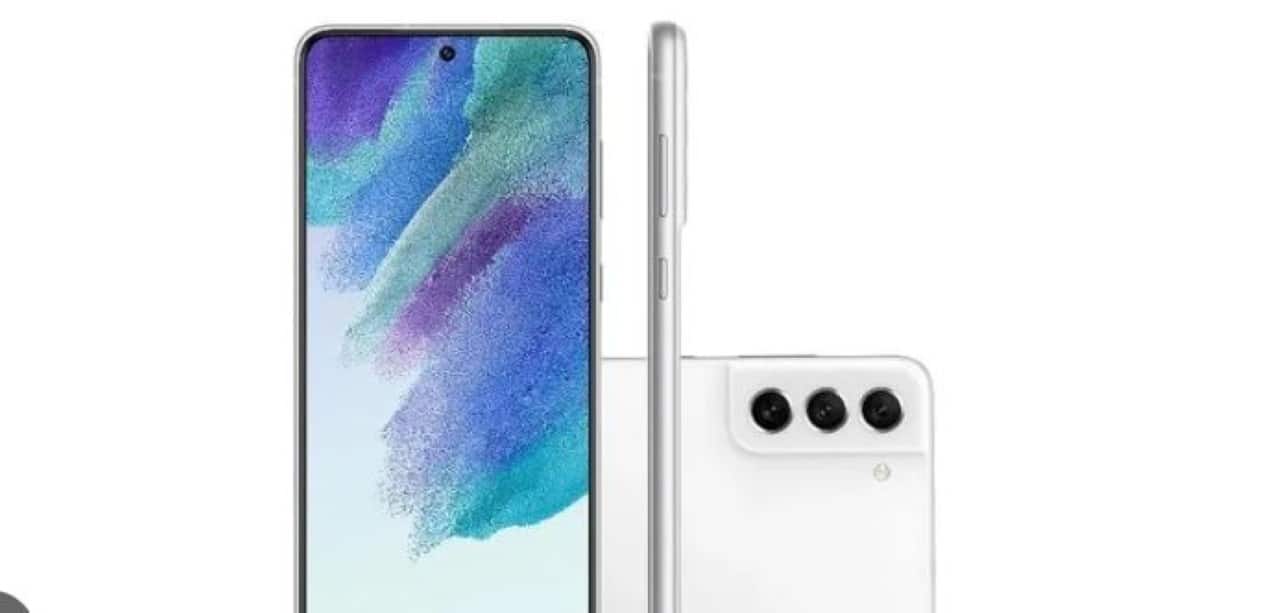
The Galaxy S21 FE (Fan Edition), released later than its line brothers, operates on a different update schedule and, therefore, continues to receive active support from Recentemente, the model was moved from monthly to quarterly update cadence. Essa change is a standard company procedure for devices that have been on the market for a longer time, indicating that the end of their support life cycle is also approaching, although it has not yet ended. S21 FE owners can expect to receive security fixes for a while longer, in line with its original release date.
Recommendations for device owners
For users who intend to continue using the Galaxy S21, S21 Plus or S21 Ultra models, it is essential to adopt additional security measures. The main recommendation is to download and install applications exclusively from official and trustworthy sources, such as Google Play Store and Galaxy Store, avoiding installation files of unknown origin.
Keeping all installed applications up to date is also crucial, as developers often release security patches for their own software, which can mitigate some vulnerabilities. Using reputable antivirus software can add an extra layer of protection by detecting and blocking malicious activity.
Additionally, the Samsung Knox security platform, integrated into the device hardware, continues to function and provides a robust foundation of protection against certain types of threats. Ativar two-factor authentication on all online accounts associated with the smartphone and carrying out regular data backups are practices that complement security and guarantee the protection of personal information.
The legacy and importance of the S21 line
The Galaxy S21 series has made a significant mark in the smartphone market. Ela was responsible for popularizing and refining features that are now considered standard in high-end devices, such as the Dynamic AMOLED screens with an adaptive refresh rate of 120 Hz, which offer visual fluidity without excessively compromising battery life.
The Ultra model, in particular, sets a new bar for mobile photography with its versatile camera system, including a 108MP main sensor and advanced optical zoom. The decision to include support for the S Pen in the Galaxy S21
Support scenario in the smartphone market
Samsung’s commitment to the S21 line helped put pressure on other Android manufacturers to improve their update policies. However, the current scenario is even more competitive. Apple continues to be a benchmark, frequently offering more than six years of iOS updates for its iPhones, ensuring software longevity that few brands can match.
In the Android ecosystem, Google has taken the lead by promising seven years of full support for the Pixel 8 lineup and newer models. Essa measure set a new gold standard, which was promptly followed by Samsung for its newest flagships, showing that software longevity has become a crucial battleground for winning over and keeping consumers in the premium segment.



