


Volkswagen has started a new phase of development of its future line of electrified vehicles in the Brasil. A prototype of the new generation of the European SUV T-Roc was spotted undergoing intensive tests on roads in the state of São Paulo, serving as a mobile laboratory for validating technologies that will equip the national successors of the T-Cross and Nivus. The model, still camouflaged, is the key piece for adapting and improving the brand’s flex hybrid system, designed to operate efficiently with both ethanol and gasoline.
The assessments are concentrated in the vicinity of the automaker’s industrial complexes in São Bernardo of Campo and São Carlos. The presence of the T-Roc on Brazilian soil does not indicate its launch on the local market, but rather accelerates the development schedule for new SUVs, which will be built on a more modern platform and with electrified engines. Essa strategy positions Volkswagen to compete directly in the growing hybrid vehicle segment in the country, with launches scheduled from 2027.
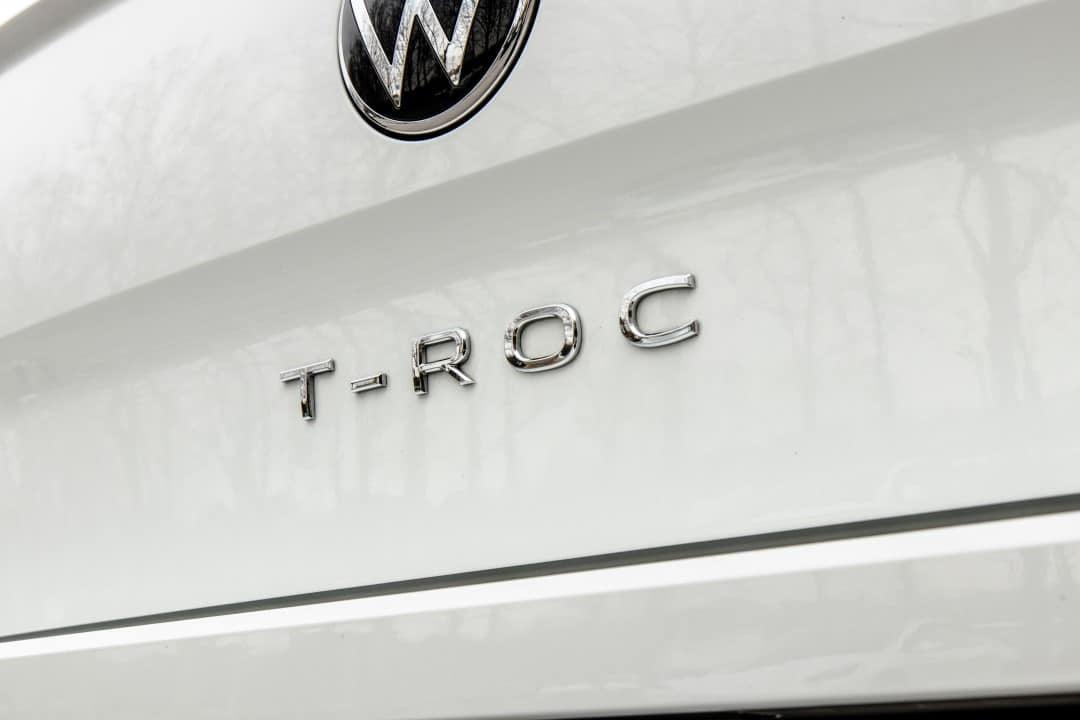
The engineers’ main focus is calibrating the powertrain and suspension for the specific driving conditions of the Brasil. Tests on roads with different pavement qualities and in urban and road traffic scenarios are essential to guarantee the durability, comfort and performance of the brand’s future launches.
The new MQB Evo platform as a pillar of the strategy
The basis for this new generation of vehicles is the MQB Evo platform, a significant evolution of the architecture currently used in the brand’s compact models. Essa new structure offers greater torsional rigidity and was designed from the ground up to integrate components of electrified systems, such as batteries and electric motors, without compromising the vehicle’s internal space or dynamics. The adoption of MQB Evo is a crucial step towards modernizing the national production line.
In addition to facilitating hybridization, the platform allows for better use of space in the cabin and trunk. With a slightly larger wheelbase and optimized weight distribution, the future Volkswagen SUVs promise to deliver more comfort for occupants and more refined dynamic behavior, essential characteristics for vehicles that will carry the responsibility of succeeding commercially successful models such as the T-Cross and the Nivus.
The 1.5 TSI Evo2 engine and flex hybrid technology
The heart of the new system is the 1.5 TSI Evo2 engine, a modern unit that operates on the Miller cycle for greater energy efficiency. Este engine is being adapted to the Brazilian reality, becoming flex. Volkswagen will develop two main hybridization variants for the national market, catering to different consumer profiles and price ranges.
The first option is a mild hybrid system (MHEV), which uses a 48 volt electrical network. Este system does not move the car with electricity alone, but assists the combustion engine during acceleration, reduces fuel consumption and allows the engine to be turned off in cruising speed situations, a feature known as “coasting” or “freewheeling”. The technology also recovers energy during braking to recharge a small battery.
The second variant will be a full hybrid system (HEV), more robust and with a larger capacity battery. Essa configuration will allow the vehicle to run in 100% electric mode for short distances and at low speeds, such as in traffic jams or parking maneuvers, resulting in even more significant fuel savings and a reduction in pollutant emissions in urban centers.
Both systems will pioneer the large-scale application of flex technology by Volkswagen in Brasil, combining the benefits of electrification with the advantage of ethanol, a renewable fuel widely available in the country. The combined power of the set should start at 150 hp, reaching 170 hp in the most powerful versions.
T-Cross successor will grow to become a midsize SUV
Volkswagen’s plans for the T-Cross successor are ambitious. Conhecido internally per project code VW226, the new model will undergo a category change. Ele will no longer be a compact SUV to become a medium SUV, with dimensions close to those of the European T-Roc, which measures around 4.37 meters in length. Essa change will position it to compete with models like Jeep Compass and Toyota Corolla Cross.
Production is scheduled to begin in 2027 at the São Bernardo factory of Campo (SP). The increase in dimensions will result in more space for passengers and luggage, with a trunk expected to have a capacity of around 465 liters. The interior will also receive a leap in quality, with the adoption of larger screens for the instrument panel and multimedia center, as well as more sophisticated finishing materials and a robust package of driver assistance technologies.
New Nivus will maintain coupe SUV DNA
The successor to the Nivus, identified by the Saga project, will maintain the SUV coupe silhouette that established it in the market, but with a completely renewed and more modern design. The launch is scheduled for 2028, one year after the arrival of the new medium SUV. The Brazilian design team, led by José Carlos Pavone, is developing a unique visual identity for the model, ensuring it stands out on the streets.
Mechanically, the new Nivus will share the MQB Evo platform and flex hybrid engine options with its bigger brother. The focus will continue to be on an audience looking for a vehicle with bold design, onboard technology and agile driving, combining the style of a coupe with the versatility and elevated driving position of an SUV. For a period, the new generation will coexist with the current model in dealerships.
Details of the prototype spotted undergoing testing
The vehicle used in the tests in Brasil, despite being a T-Roc, uses strategic camouflage to mislead onlookers. Partes’s bodywork was disguised to resemble the design of the Volkswagen Taos, but elements such as the shape of the headlights and taillights give away its real European identity. Essa The practice is common in the automotive industry to hide the definitive lines of a new design while the mechanical components are validated.
The presence of German engineers working together with the Brazilian team reinforces the importance of the project. The objective is to ensure that the new Volkswagen family of hybrid SUVs not only meets the brand’s rigorous global quality standards, but is also perfectly adapted to the tastes and needs of the Brazilian consumer.
Electrification schedule and strategy
Volkswagen has confirmed a clear timeline for its upcoming releases. The successor to the T-Cross will be the first to arrive, in 2027, marking the commercial debut of the brand’s flex hybrid technology in the country. Then, in 2028, it will be the turn of the new Nivus. Ambos will be produced on the new platform at the Anchieta plant, in São Bernardo of Campo, which is undergoing a modernization cycle to receive the new products.
These launches represent a milestone in the electrification strategy from Volkswagen to América from Sul. By investing in hybridization combined with ethanol, the company seeks to offer a more sustainable mobility solution aligned with the Brazilian energy matrix, strengthening its competitiveness in one of the most competitive segments of the national automotive market.



