

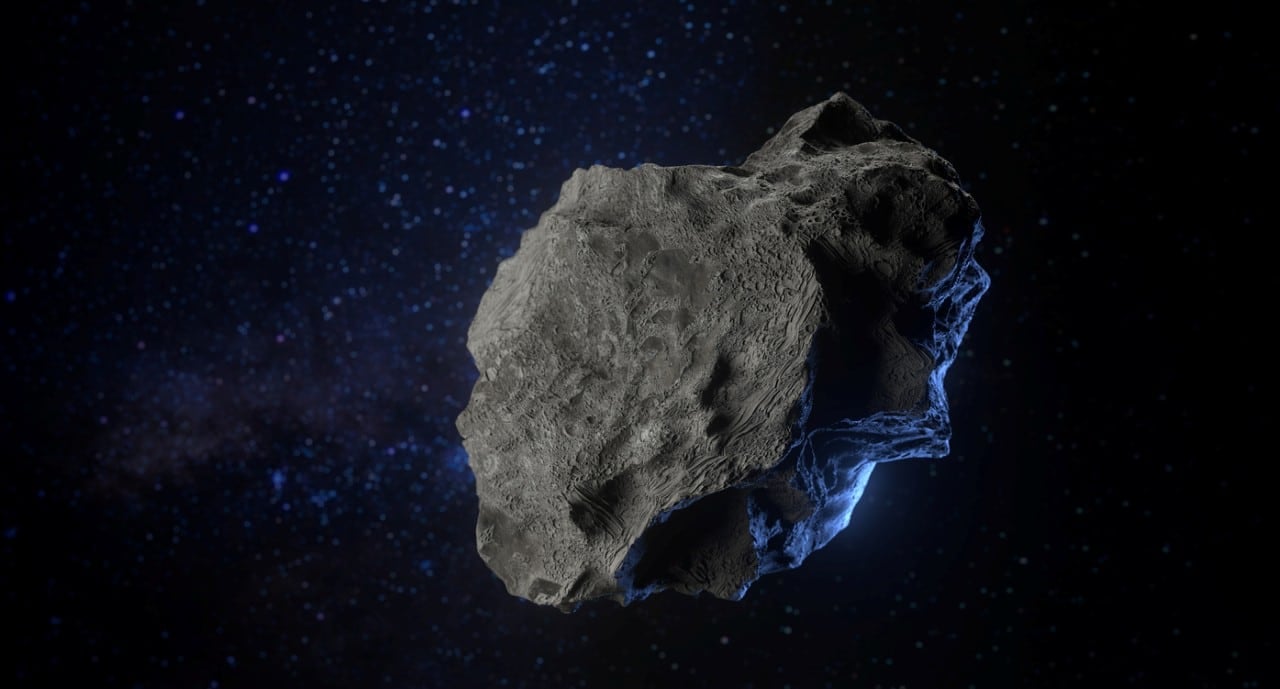
Researchers performed an advanced analysis on the NWA 7034 meteorite, known as Black Beauty, using combined X-ray and neutron tomography techniques. Essa approach allowed us to visualize the interior of the rock without causing damage, identifying internal structures that concentrate a significant amount of ancient water. The study, conducted by international teams, highlighted the presence of clasts rich in hydrogen, elements that indicate hydrothermal interactions in the Martian crust billions of years ago. The sample, with fragments dating back up to 4.48 billion years, reinforces evidence that Marte had humid conditions in its remote past. Esses findings complement data collected by rover missions on the red planet. The research represents a breakthrough in examining extraterrestrial materials available on Terra.
The meteorite fell in the Saara desert in 2011 and weighs about 320 grams. Ele stands out among Martian meteorites for its brecciated composition and high water content.
- Hydrogen-rich iron hydroxide clasts occupy 0.4% of the analyzed volume.
- These fragments concentrate around 11% of the total water in the sample.
- The overall water content in Black Beauty reaches 6,000 parts per million.
Origin and characteristics of Black Beauty
The meteorite NWA 7034 was ejected from Marte by a violent impact millions of years ago and arrived at Terra after traveling through space. Sua composition includes fragments of different ages, forming a regolith breccia that represents the surface crust of the red planet. Cientistas confirm its Martian origin through isotopic analyzes and minerals typical of Marte.
This dark rock earned the nickname Black Beauty due to its intense color and shine on certain surfaces. Ela contains minerals altered by ancient chemical processes, including evidence of exposure to liquid water. Diferente of other younger Martian meteorites, Black Beauty preserves materials from the Noachiana era, a period associated with potentially habitable conditions.
“Danimarka Teknik Üniversitesi’nden
—Mehmet Altan (@MehmetAltanFan)February 6, 2026
Araştırmacılar Mars’tan gelen taşta, su izine rastladı. Bu da milyarlarca yıl önce gezegenin…pic.twitter.com/aag6CDO8fL
Advanced scanning techniques applied
Neutron tomography is especially effective for detecting hydrogen in dense materials, complementing traditional X-ray tomography. The researchers scanned a small slice of the sample without the need for cutting or dissolving, preserving its integrity for future studies. Essa combination of methods allowed mapping the three-dimensional distribution of light elements within the rock.
Before these technologies, meteorite analyzes often destroyed valuable parts of the sample. Agora, scientists obtain detailed images of the interior, identifying minute inclusions without physical changes. The neutron technique highlights regions with water bound to minerals, revealing unexpected concentrations.
Details of the hydrogen-rich clasts found
The identified clasts consist mainly of hydrogen-rich iron hydroxide oxyhydroxide, formed by chemical reactions between rock and water. Embora represent a small fraction of the total volume, they store a disproportionate proportion of the water present in the meteorite. Essa concentration suggests localized hydrothermal alteration processes in the Martian crust.
The findings indicate that the water was not distributed evenly, but accumulated in certain mineral structures. The researchers quantified the hydrogen associated with these clasts, confirming their significant contribution to the overall water content.
Distribution of water in the analyzed sample
The analysis revealed that hydrogenated clasts occupy specific positions within the breccia matrix. Essa distribution reflects ancient geological events in Marte, when liquid water circulated through the crust. The three-dimensional data show how hydrogen preferentially associates with oxidized iron minerals.
Other regions of the sample have lower water levels, highlighting the contrast with the enriched clasts. Essa internal variation provides clues about the heterogeneity of the early Martian crust.
Implications for the water past of Marte
The concentrated presence of water in Black Beauty reinforces the hypothesis that Marte had prolonged phases with liquid water on the surface and underground. Esses clasts indicate hydrothermal activity, processes that could support habitable environments on the ancient planet. The results align with observations from the Perseverance mission in the Jezero crater, where water-altered rocks were also identified.
The meteorite demonstrates that water reserves existed in multiple regions of Marte, not limited to specific areas. Essa evidence expands understanding of the climate evolution of the red planet over billions of years.
Comparison with other Martian meteorites
Unlike younger shergottites, Black Beauty preserves older crustal materials with higher water content. Outros Martian meteorites have lower water levels, generally below 1,000 parts per million. The Essa difference highlights the Black Beauty as the unique representative of the primitive regolith.
The breccia contains zircons dating back 4.48 billion years, offering windows into the early period of Marte. Comparações with nakhlites and chassignites show variations in water alteration between Martian rock types.
Advances for planetary sample studies
The non-destructive techniques applied pave the way for detailed analysis of rare materials without loss of integrity. Futuras sample return missions from Marte will benefit from this approach, maximizing the scientific value of the collected rocks. The method allows for repeated reexaminations with emerging technologies.
This research demonstrates the potential of terrestrial meteorites as proxies for direct samples from the Red Planet. Enquanto planned missions face delays, Black Beauty continues to provide valuable data on Martian geology.
Context of current missions in Marte
Rovers like Perseverance and Curiosity identify hydrated minerals in ancient craters, corroborating findings in meteorites. The Jezero crater, explored by Perseverance, contains deltaic deposits formed by liquid water. Esses in situ data complement laboratory analyzes of samples such as Black Beauty.
Orbital missions detect signs of frozen water in the current Martian subsurface. The combination of evidence suggests a transition from a wet planet to the arid environment observed today.



