
Skater Jutta Leerdam breaks Olympic record and secures gold in the 1000m in Milan-Cortina By Thiago Lemos
5 min read
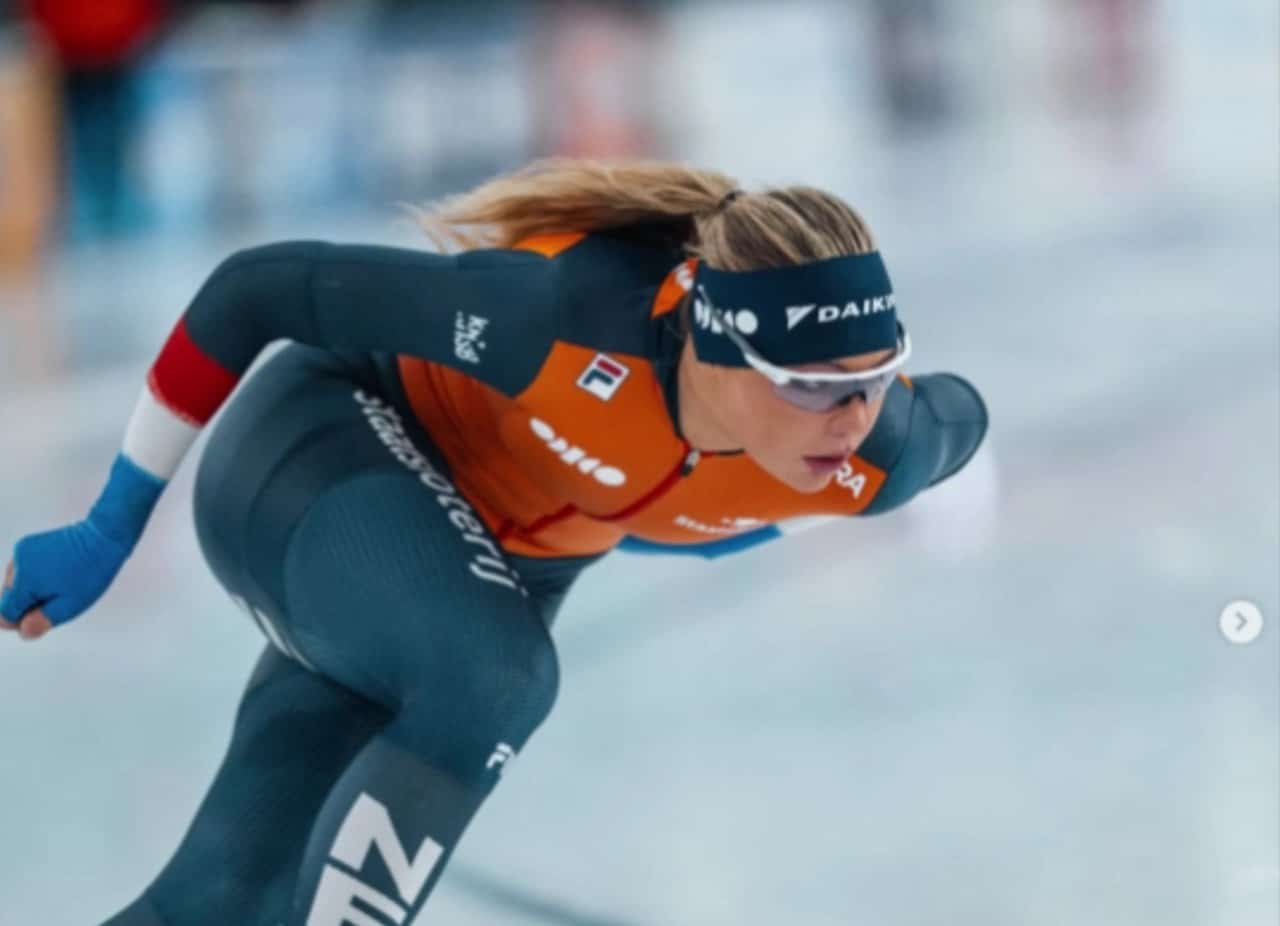 |
The Jogos, The main highlight took place in the speed skating arena, where Dutch athlete Jutta Leerdam not only won the gold medal in the 1000 meter event, but also set a new Olympic record with a display of strength and technical precision.
The day was marked by intense competitions in various disciplines, with athletes from different countries seeking the podium on the ice rinks and in the snow-covered mountains. Além of skating, decisive events in alpine skiing, biathlon and snowboarding moved the delegations, consolidating the favoritism of some athletes and revealing new surprises in the competition.
Two Olímpicos records in the same race! 🤯 Femke Kok and#Olympic Games #MilanoCortina pic.twitter.com/NMRSWJYH21
— Jogos Olímpicos (@JogosOlimpicos)February 9, 2026
The event organizers confirmed that favorable weather conditions have contributed to maintaining the high quality of the tracks, allowing competitors to achieve their maximum performance. The race schedule remains unchanged, with great public expectations in both Milão and Cortina d’Ampezzo.
Dutch dominance and breaking of skating marks
The women’s 1000 meter speed skating final was one of the most anticipated moments of the day, and the Países Baixos team confirmed its supremacy in the sport. Jutta Leerdam entered the track as one of the favorites and lived up to expectations with an explosive start, maintaining a constant pace and executing the curves perfectly. Sua performance resulted in a time that surpassed the previous Olympic mark, earning her the highest spot on the podium and solidifying her status as one of the world’s leading sprinters.
The Dutch celebration was double, as minutes before Leerdam’s return, her compatriot Femke Kok had already broken the current Olympic record, setting a time that assured her the silver medal. The podium double highlights the strength of the Dutch training program, which has historically produced some of the best speed skaters on the planet. The team’s consistency demonstrates in-depth technical and strategic work, which continues to bear fruit in the main international competitions.
Swiss leadership and technical performance in alpine skiing
On the slopes of Cortina d’Ampezzo, the alpine skiing competition also provided moments of high performance. The Suíça team demonstrated great technical skill and took the provisional lead in the team slalom race. The consistent performance of its athletes was crucial to overcoming traditional opponents.
The precision in the movements and the choice of descent lines were differentiators for the Swiss team, who managed to complete the route with a competitive combined time. The competition remains fierce, with other strong nations in the sport looking to close the gap in the next heats.
At the same time, the women’s slopestyle skiing competition also attracted attention. The Swiss Mathilde Gremaud achieved an impressive score of 86.96, temporarily placing itself in first position after a descent with highly complex maneuvers.
The Chinese Gu Ailing Eileen responded with an equally impressive performance, obtaining a score of 86.58 and showing that the fight for the gold medal will remain open until the last performances, reflecting the extremely high technical level of the competitors.
Two-time Austrian championship and snowboarding achievements
Austrian snowboarder Benjamin Karl added another notable feat to his career by winning his second Olympic championship in the parallel giant slalom. With exceptional board control, he masterfully navigated a challenging track that became more difficult with each descent.
This victory consolidates Karl as one of the legends of the sport, bringing another gold medal to Áustria and reaffirming the country’s dominance in alpine disciplines. Sua performance was praised by analysts due to its consistency and ability to adapt to snow conditions.
Snowboard competitions continue to be a huge success with the public, with thousands of spectators watching the events in the mountains of Cortina. The infrastructure and safety of the tracks have been positive points highlighted by the athletes themselves.
French triumph in biathlon
In biathlon, França confirmed its favoritism and won the mixed relay event. The French team demonstrated a perfect balance between the physical resistance required in cross-country skiing and the precision required in target shooting sessions, determining factors for success in the sport.
The strategy of maintaining a strong pace on the course and taking quick, accurate shots allowed the team to build a secure advantage. Upon crossing the finish line, the athletes celebrated an important achievement for the delegation, overcoming strong competitors such as Noruega.
Meanwhile, in downhill alpine skiing, American Breezy Johnson completed a solid descent, scoring important points. The day also had a moment of apprehension with the fall of veteran Lindsey Vonn, who, despite the scare, did not suffer serious injuries.
Technology as an ally of sports performance
The edition of Milão-Cortina has stood out for its implementation of advanced technologies that enrich the experience of athletes and spectators. Sensores installed on equipment and along the tracks collect a wide range of real-time data, such as instantaneous speed, G-forces faced by competitors when cornering, and the tilt of skis and boards. Essa telemetry is integrated into official broadcasts, offering the public a deeper understanding of the physical and technical complexity of each winter sport. Além provides detailed statistics, this innovation helps technical teams analyze performance, enabling precise strategic adjustments. The quality of the ice in the skating arenas and the preparation of the snow rinks also benefit from modern monitoring systems, ensuring ideal conditions so that new records continue to be set throughout the games.
Expectations for figure skating
With the speed events ending a cycle, attention begins to turn to the figure skating center. The mixed doubles athletes have already started official training on the main rink, preparing for one of the competitions most awaited by the public.
The modality combines elements of dance, acrobatics and artistic expression, promising presentations of a high technical and visual level. The gym is expected to be full to see the definition of the first medalists in ice dancing.
Event organization and logistics
One of the biggest logistical challenges for Jogos is the connection between the headquarters of Milão and Cortina d’Ampezzo. To make travel easier, the organization has implemented a robust transportation system, including high-speed trains and fleets of electric vehicles. The objective is to ensure agility for athletes, teams and fans, while also seeking to minimize the environmental impact of the event. Sustainability is a central pillar of this edition, with several initiatives aimed at climate preservation and the conscious use of resources.











