Switch successor faces challenging debut with initial sales lower than 2017 launch
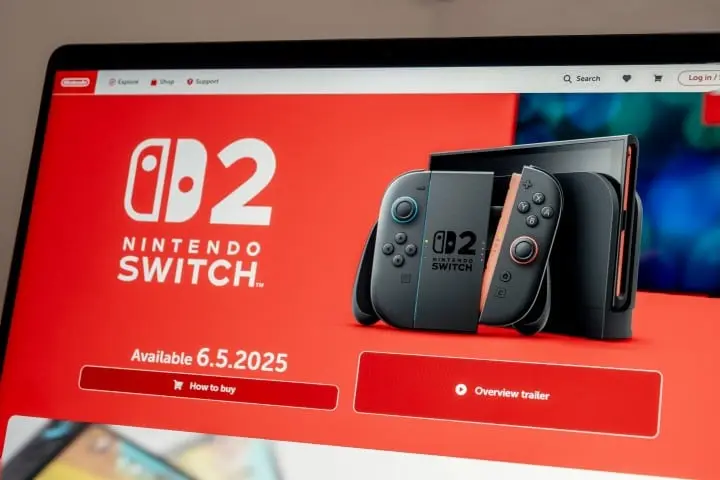
The global video game market received the first consolidated data on the commercial performance of the new Nintendo hardware, revealing a scenario of caution among investors and industry analysts. Preliminary statistics indicate that the device’s initial reception did not replicate the explosive phenomenon observed during the previous model’s arrival at retail. Especialistas point out that the current economic context and the saturation of the installed base of consoles directly influenced the speed of adoption by consumers in the first weeks of availability.
Reports from specialized consultancies show that the volume of units sold in the main global territories was below the most optimistic projections drawn up by the industry. The movement in physical and digital stores suggests that the public has adopted a more observant stance, waiting for a more robust library of exclusive titles before migrating to the new generation. Este behavior contrasts with the urgency to buy seen in the past decade, when pent-up demand drove immediate sales records.
Global performance benchmarking
Data collected by market intelligence company Circana indicates that, in the North American market, the sales volume of the new device in the first month of circulation registered a drop of approximately 35% compared to the launch of the original console in March 2017. The disparity in numbers reflects a significant change in consumer behavior, which now faces a different inflationary scenario and higher hardware prices than those practiced in the previous cycle.
The downward trend was not limited to the Estados Unidos, but also extended to the main European markets. No Reino Unido, the decrease in the pace of sales was calculated at around 16%, while in França the numbers showed an even more pronounced drop, close to 30%. Mesmo in Japão, a territory traditionally dominated by the brand, there was a decline of 11% in the direct comparison, signaling that loyalty to the brand was not enough to guarantee an immediate surpassing of past records.
More on this story: Initial Nintendo Switch 2 sales fall below original model
Analysts argue that the direct comparison with 2017 has important nuances that must be considered for a fair reading of the scenario. The previous launch benefited from the vacuum left by the commercial failure of the Wii U, which generated massive pent-up demand for a new portable entertainment proposal. The current scenario is the opposite, with the new device arriving on the market to replace a resounding success that sold more than 140 million units, making the task of convincing the user to update the equipment much more complex.
Economic factors and launch catalog
Several elements contribute to explaining the slower start of the new system, with the final price to the consumer being one of the central points of discussion. The cost of manufacturing electronic components has increased globally in recent years, resulting in a higher sticker price than the 2017 model.
Another crucial aspect identified by critics and players is the absence of a title with an immediate cultural impact on launch day, comparable to the effect thatThe Legend of Zelda: Breath of the Wildhad previously. Embora the initial line of games is competent, there is a lack of software that justifies, in itself, the immediate acquisition of the hardware for the large mass of casual consumers. The strategy of launching major franchises in a staggered manner may benefit the console’s longevity, but it reduces the initial sales momentum.
The huge installed base of the previous console also works against the rapid adoption of the new product. Milhões of players still feel satisfied with the existing library and the performance of the device they already have, and do not see an urgent need to upgrade. The generational transition, in this case, tends to be more gradual and organic, unlike the abrupt rupture that occurred in the transition of past generations of the company.
Impact of backwards compatibility on the market
Confirmation that the new system is capable of running the entire digital and physical library of its predecessor was received as a victory for consumers, but presents a commercial paradox for the manufacturer. Backwards compatibility ensures that the investment players have made over the years is preserved, eliminating the barrier to entry of losing access to their favorite games. However, this same functionality reduces the psychological pressure to purchase new exclusive software that would boost the perception of newness.
See Also


Learn more: Nintendo Switch 2 launch reaches ten million units at a slower pace than its predecessor
By allowing users to continue playing their old titles with performance improvements, the company maintains ecosystem engagement, but dilutes the visual impact of new releases. Jogos that ran on the limits of the old hardware now work fluidly, which for many users is enough, postponing the search for experiences developed natively for the new architecture. Essa smooth continuity between generations is beneficial for long-term user retention but smoothes initial sales curves.
Expectations for the future of the platform
Despite initial numbers below historical records, the long-term outlook for the platform remains positive among investors. The company has already confirmed the development of new chapters of its most valuable franchises, including a new three-dimensional Mario game and the long-awaitedPokémon Legends: Z-A, scheduled to hit stores in 2026. Esses launches are seen as the real catalysts that will accelerate the installed base in the coming quarters.
The Japanese company’s strategy has historically focused on a sales marathon, not just an initial sprint. Ongoing support with high-quality software tends to create spikes in interest throughout the entire product lifecycle. The expectation is that as the price of hardware stabilizes and the catalog of exclusives grows, the pace of adoption will increase, especially during seasonal shopping periods like the end of the year.
Challenges for the video game industry
The performance of the new hardware serves as a barometer for the current state of the dedicated console industry. The industry faces increasing competition from mobile and PC platforms, which offer open and versatile ecosystems. The need to justify the existence of a dedicated gaming device becomes increasingly challenging in a world where smartphones and tablets have significant processing power.
On the same topic: Nintendo Switch 2 sales drop 35% at launch and raise alarm in the games market
Analysts suggest that the traditional console business model may need adjustments to remain relevant in the next decade. The focus on hybrid experiences and the strength of exclusive intellectual properties continues to be Nintendo’s biggest differentiator. Future success will depend on the company’s ability to innovate in ways of playing, maintaining the magic that attracts children and adults alike, even in the face of an adverse economic scenario and fierce technological competition.