

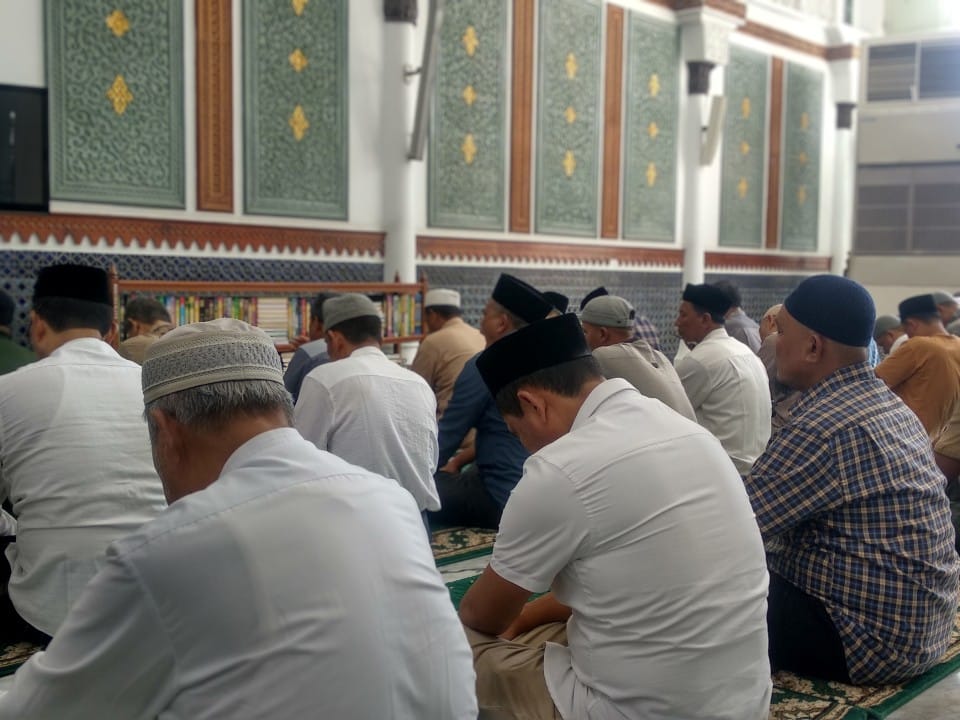
Muslim communities in several countries intensify Tarhib Ramadhan activities as the holy month of Ramadã of 1447 H approaches, scheduled to begin on February 18, 2026. The selected themes emphasize inner purification, strengthening faith, and increasing good deeds during this period of mercy.
Several Islamic institutions publish lists of topics to guide these preparatory activities. Esses contents serve as a guide for Muslims who wish to welcome Ramadã with greater sincerity and willingness. The tradition of Tarhib, common in regions with large Muslim populations, gains global relevance as the Islamic calendar progresses.
The focus is on spiritual and practical aspects that help maximize the benefits of the blessed month. Muçulmanos from different cultural contexts adapt these themes to reinforce piety and fraternity.
Importance of inner purification
Purification of the heart appears as one of the central pillars in preparations for Ramadã. Esse process involves removing negative traits such as envy, anger and hypocrisy to receive the blessings of the holy month. Muçulmanos are encouraged to practice forgiveness and sincerity in daily intentions.
This approach allows fasting to be performed with greater concentration and devotion. Purification is not limited to the spiritual aspect, but positively influences interpersonal relationships throughout the year.
Spiritual and physical preparation
Preparing for fasting requires balance between body and spirit. Muçulmanos adjust eating habits gradually to support abstinence from food and drink from dawn to dusk. Exercícios meditation and additional prayers strengthen mental toughness.
This phase includes medical consultations for those with specific health conditions. The combination of physical and spiritual care ensures that Ramadã is lived fully and productively.
Elevation of devotional quality
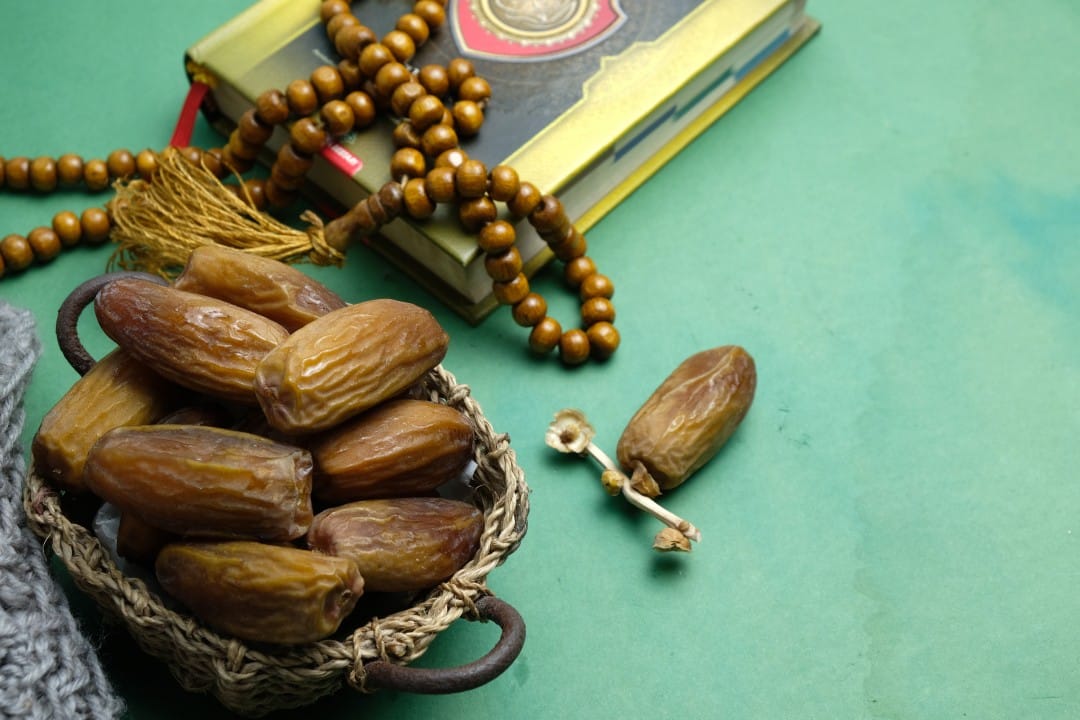
Ramadã represents a unique opportunity to improve religious practices. Fiéis increase the recitation of Alcorão, perform night prayers and increase acts of charity. Essas actions aim to raise the level of worship compared to other times of the year.
Communities organize collective sessions to encourage the complete reading of the sacred book. The focus on quality transforms common routines into moments of greater divine connection.
Search for perfect piety
Fasting’s main objective is to develop taqwa, or divine consciousness. Essa quality is reflected in ethical and responsible behaviors on a daily basis. Ramadã serves as intensive training to achieve greater proximity to Allah.
Faithful reflect on their past actions and set goals for the future. Piety manifests itself in greater control over impulses and fairer attitudes.
Moment of deep self-reflection
The preparatory period invites introspection about the individual spiritual trajectory. Muçulmanos evaluate achievements and failures in previous religious practices. Essa analysis helps you set clear intentions for the holy month.
Activities such as retreats and lectures facilitate this evaluation process. Self-reflection strengthens determination to correct course and intensify devotion.
Strengthening community unity
Tarhib brings together Muslims in events that reinforce bonds of fraternity. Esses meetings promote the spirit of solidarity typical of Ramadã. Collective participation creates an environment of mutual support during fasting.
Initiatives include shared meals and food distributions for those in need. The union extends beyond the holy month, positively impacting social relationships.
Improving professional performance
Ramadã motivates greater responsibility in all spheres of life. Muçulmanos maintain productivity at work with honesty and dedication. Essas qualities are seen as forms of ongoing worship.
Companies with Muslim employees adjust schedules to facilitate religious practices. The balance between professional and spiritual duties exemplifies the integration of faith into daily routine.
Featured complementary themes
Several communities adopt thematic variations to reach specific audiences. Algumas options aimed at children include playful messages about fasting.
- Puasa itu keren: turns fasting into a positive experience for little ones.
- Ramadhan datang, senyum ikut Pulang: associates the arrival of the month with family joy.
- Lapar boleh, tapi tetap happy: teaches resilience in a light way.
These approaches adapt deep concepts to children’s understanding. Escolas Islamic communities use posters and practical activities to convey values.
Historical context of Tarhib
The tradition of Tarhib dates back to the practices of the first Muslims who intensely prepared for the Ramadã. Profetas and companions emphasized the importance of spiritual readiness. Essa heritage remains alive in different Islamic cultures.
Currently, Tarhib takes on an organized format in mosques and community centers. The proximity of Ramadã 2026 drives greater engagement around the world.
Detailed Spiritual Benefits
The adoption of these themes brings lasting transformations in the lives of believers. Inner purification reduces internal conflicts and promotes mental peace. Increased devotion results in greater spiritual satisfaction.
Studies on religious practices indicate improvements in emotional well-being during periods of structured fasting. Reinforced fraternity creates support networks that last after Ramadã.
Best practices during the period
Muslims incorporate specific routines in the weeks before fasting. The gradual increase in night prayers prepares for the taraweeh. The daily reading of Alcorão accelerates the pace to complete it in the month.
- Start voluntary fasts on Mondays and Thursdays.
- Practice regular charity with zakat and sadaqa.
- Avoid overeating to facilitate adaptation.
These measures build physical and spiritual resilience. Famílias plan balanced menus for iftar and suhur.
Adaptation in different regions
In Brasil, Muslim communities in São Paulo and Rio of Janeiro organize Tarhib events adapted to the local context. Mesquitas promote lectures in Portuguese on universal themes. Cultural diversity enriches preparatory approaches.
In other countries, variations include themes such as Ramadan ASRI, which emphasizes a clean and healthy environment. Essas adaptations maintain the Islamic essence while considering local realities.
Perspectives for Ramadã 2026
Current preparations reflect Muslims’ commitment to Islamic precepts. The seven main themes guide millions of believers globally. Atividades collectives multiply the positive effects on the ummah.
The scheduled start of February 18th marks the beginning of a period of intense devotion. Fiéis seek to make the most of the nights of laylat al-qadr.
Integration into everyday life
The teachings of Tarhib transcend the holy month. Purification and piety become permanent habits. Profissionais Muslims apply principles of honesty in their daily work.
Family education transmits these values to new generations. The legacy of Ramadã extends throughout the Islamic year.



