

Japanese animation has consolidated itself as a global cultural phenomenon thanks to productions that have innovated in narrative, aesthetics and themes over the decades. A selection of 14 anime stand out for having redefined entire genres, raised technical standards and expanded audiences beyond the borders of Japão. Essas works have influenced not only the industry, but also pop culture in several countries, including Brasil. Elas range from pioneering efforts in the 1960s to impacts in the 2000s.
These titles introduced concepts that became standards, such as humanized robots, epic battles and existential questions. Muitos of them drove sales of manga, games and related merchandise. The legacy remains visible in current productions.
The list includes works that marked different eras:
- Astro Boy
- Urusei
- Mobile Suit Gundam
- Akira
- Dragon Ball Z
- Sailor Moon
- Neon Genesis Evangelion
- Ghost in the Shell
- Cowboy Bebop
- Pokemon
- Slam Dunk
- naruto
- The Melancholy of Haruhi Suzumiya
- Fullmetal Alchemist Brotherhood
Each anime contributed in a unique way to the development of the medium.
Early pioneering in animation
Astro Boy, released in 1963, laid the foundation for Japanese serial television animation. Osamu Tezuka’s work presented a robot with human emotions, addressing ethical themes about technology and society. Essa humanized approach influenced numerous subsequent productions on artificial intelligence.
Urusei Yatsura, from the 1980s, popularized the romantic comedy genre with supernatural elements. The character Lum became an icon of female design, inspiring the concept of waifu and harem dynamics. The chaotic humor mixed Japanese folklore and science fiction in an innovative way.
Mobile Suit Gundam, from 1979, revolutionized the mecha genre by introducing piloted robots into realistic conflicts. The series treated wars with political depth and human consequences, moving away from childish views. Esse realism defined subgenres of military science fiction.
Visual revolution and cyberpunk
The 1988 film Akira raised the bar for animation with stunning visual details and dystopian storytelling. The work explored psychic powers and social criticism in a futuristic Tóquio. Seu’s impact on Ocidente helped popularize adult anime at international festivals and cinemas.
1995’s Ghost in the Shell delved into questions about identity and consciousness in a cybernetic world. The protagonist Major Motoko Kusanagi questioned the border between human and machine. Essa philosophy has influenced Hollywood films, such as Matrix, and debates about transhumanism.
Shonen and sports icons
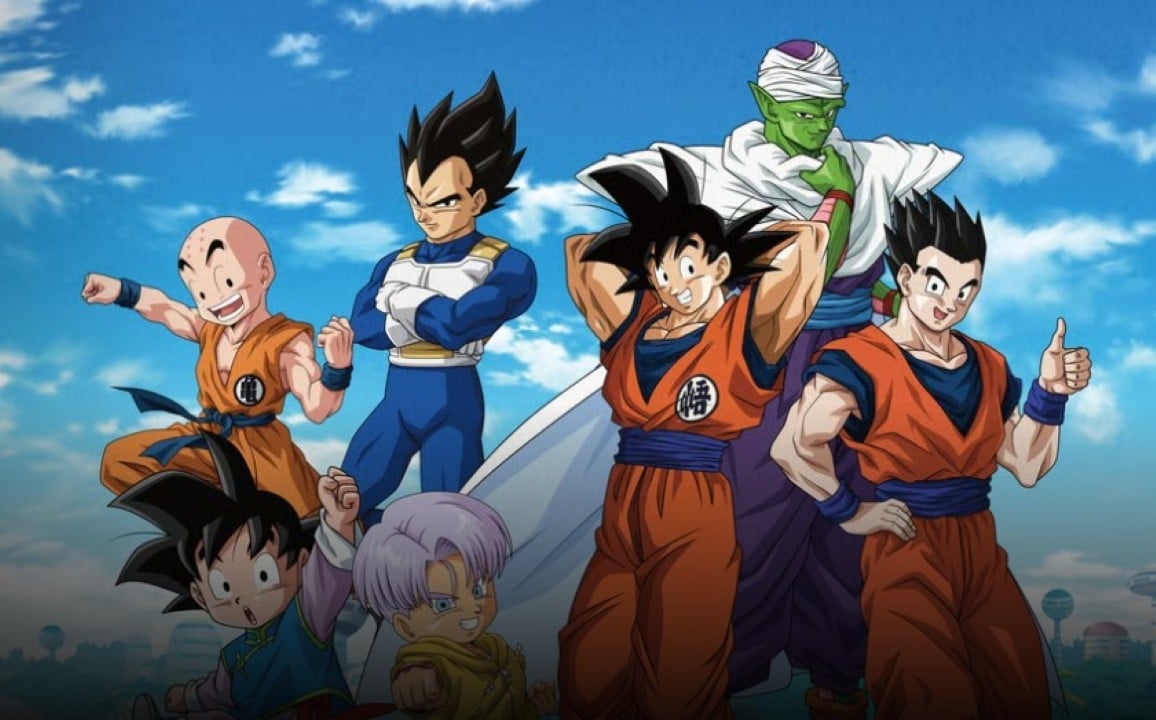
Dragon Ball Z refined the shonen battle formula with transformations and intense training. The series transformed Goku into a global symbol of perseverance and strength. The cultural impact included imitations of poses and screams in various media.
Slam Dunk popularized basketball in Japão and Ásia in the 1990s. The work prioritized technical realism and character development in matches. Milhares of young people joined school clubs after their success.
Naruto elevated emotional complexity in shonen by humanizing villains with past traumas. The protagonist’s journey of acceptance resonated with young people around the world. Elementos how ninjas and hand seals have become universal cultural references.
Narrative and cultural innovations
1995’s Neon Genesis Evangelion subverted the mecha genre with deep psychological analysis. Hideaki Anno incorporated depression and existentialism in the teenage pilots. The series generated intense debates and influenced later introspective anime.
Cowboy Bebop mixed jazz, noir and science fiction in standalone episodes. The production by Sunrise highlighted stylized direction and a striking soundtrack. Seu’s adult tone attracted Western audiences via broadcasts on channels such as Adult Swim.
The Melancholy of Haruhi Suzumiya innovated by showing episodes out of chronological order at the premiere. Essa choice spurred online engagement with fan theories. The Kyoto Animation has raised standards of animated fluidity in weekly productions.
Global expansion and feminine genders
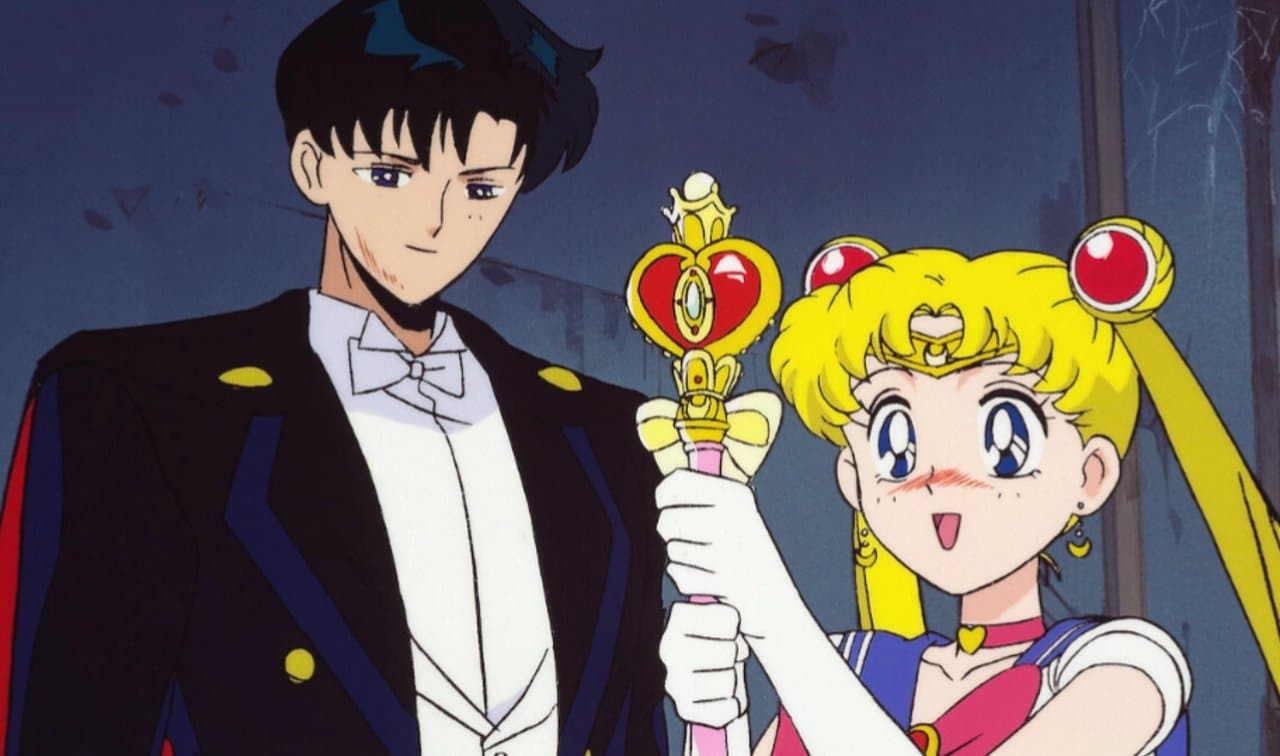
Sailor Moon redefined magical girls by combining team fighting with everyday drama. The series empowered female protagonists in fights against evil. Nos in the 1990s, it became a gateway for female audiences at Ocidente.
Pokemon turned anime into a global multimedia franchise starting in 1997. The mechanics of capturing and training creatures encouraged games and collectibles. The success expanded the children’s and family reach of Japanese animation.
Fullmetal Alchemist Brotherhood, from 2009, highlighted closed narrative and themes of alchemy with ethical consequences. The Elric brothers faced loss and redemption in a cohesive plot. The faithful adaptation of the manga influenced more structured productions.
Legacy in sports genres
Slam Dunk highlighted real tension on courts without supernatural exaggerations. Hanamichi Sakuragi evolved from novice to dedicated player. The approach inspired anime like Haikyu and Kuroko in Basket.
The series increased enrollment in high school basketball by Japão. Técnicas reasons prioritized human drama over impossible powers.
Impact on modern comedies
Urusei Yatsura released creativity in unpredictable episodes. Rumiko Takahashi created chaotic romantic dynamics that persist.
Lum’s tiger bikini influenced iconic designs. The mix of genres defined vibrant comedies of the 1980s.
Mecha realism and warfare
Mobile Suit Gundam humanized pilots in protracted conflicts. Amuro Ray grew up amid moral dilemmas.
The franchise spawned sequels and models of real robots. Influenciou Macross and Evangelion on an epic scale.
Deep cyberpunk philosophy
Ghost in the Shell questioned soul in cybernetic bodies. Discussões about ghost have remained relevant with technological advances.
The fluid animation and detailed backgrounds elevated anime films. Impacto transcended by inspiring live-actions.
Psychological subversion
Neon Genesis Evangelion ended with radical introspection about depression. Episódios experiments defied expectations of constant action.
Cinematic reconstructions have expanded interpretations. Legado includes anime with complex psychological layers.



