
Audi starts sales of the new Q5 in Brazil with a 272 horsepower turbo engine and dual digital dashboard

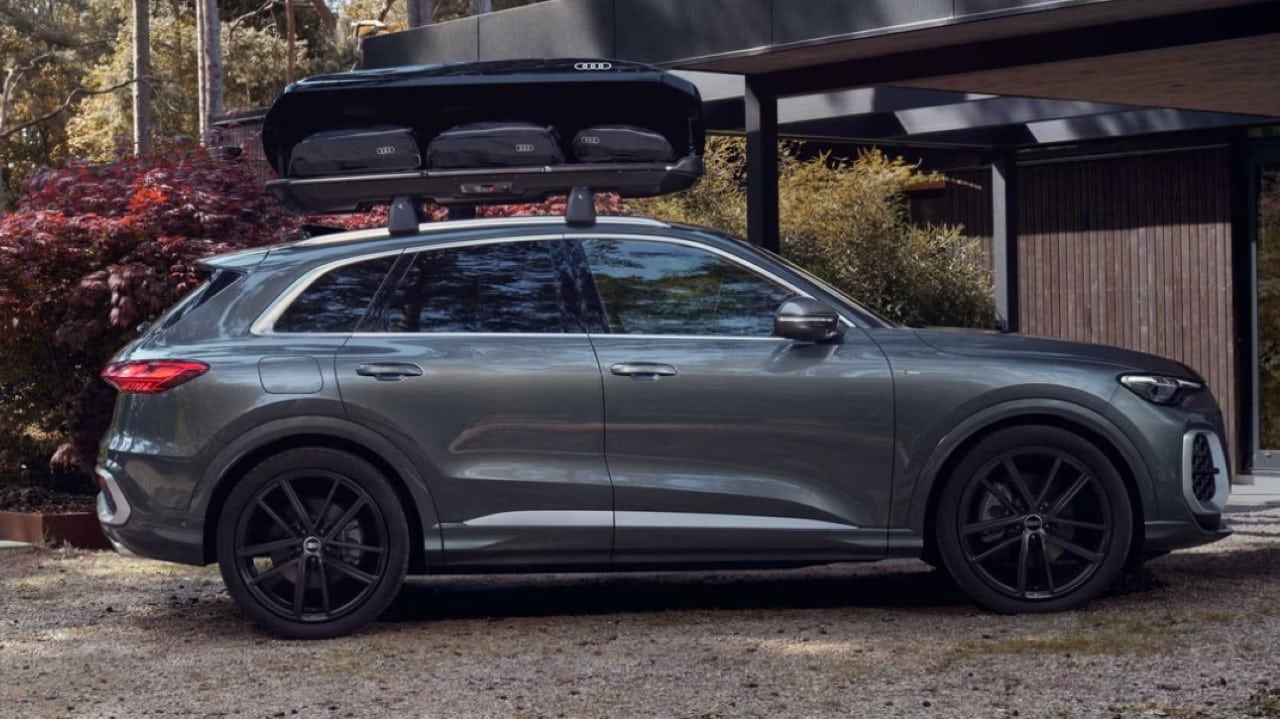
The German automaker has officially announced the arrival of the third generation of one of its best-selling sports utility vehicles on the national market. The model arrives at dealerships bringing a significant update to the platform and mechanical set, maintaining the pure internal combustion strategy at a time when many rivals are betting on hybridization. With a suggested starting price of R$424,990 for the entry-level version, the vehicle seeks to consolidate its position in the premium segment by offering greater power and a renewed technological package.
Mechanical evolution and PPC platform
The sports utility vehicle is built on the new Premium Platform Combustion (PPC) architecture, developed to maximize the efficiency of combustion vehicles. Sob under the hood, the 2.0 TFSI engine has been recalibrated to deliver 272 horsepower and 40.8 kgfm of torque, surpassing the previous generation’s figures. The set works in harmony with a seven-speed dual-clutch automated transmission and the Quattro Ultra all-wheel drive system, allowing acceleration from 0 to 100 km/h in 6.2 seconds and a maximum speed limited to 250 km/h.
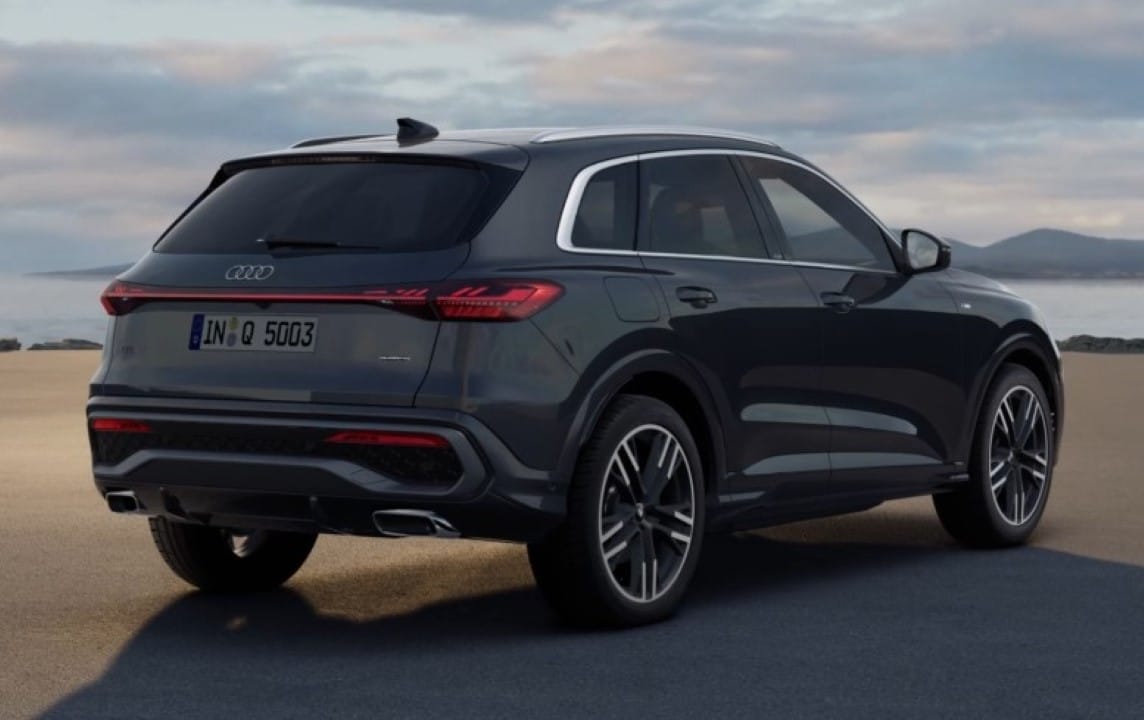
External design and dimensions
Visually, the car adopts cleaner lines and a redesigned front grille, positioned higher to convey robustness. The dimensions have undergone subtle changes, with the total length reaching 4.71 meters, although the wheelbase remains at 2.82 meters, guaranteeing the internal space already known by the brand’s customers. The lighting system received special attention, with Full LED matrix headlights that offer customizable visual signatures and rear lights with digital OLED technology, which increase safety by warning drivers who approach too close.
Digital interior and connectivity
The cabin underwent a complete redesign, adopting the “digital stage” concept. The highlight is the curved display that integrates the 11.9-inch instrument panel and the 14.5-inch multimedia screen. The interior finishing uses high-quality materials and improved sound insulation. The trunk offers 520 liters of capacity, sufficient for family luggage, and the premium sound system guarantees a superior listening experience for all occupants.
Competition and price positioning
The model arrives to compete in the market with strong competitors such as the BMW X3 and the Mercedes-Benz GLC. The top-of-the-line S line version, sold for R$484,990, adds sporty aesthetic elements, larger alloy wheels and exclusive finishes. The brand’s strategy focuses on consumers who value traditional driving dynamics and onboard technology, offering a robust and modern alternative without the complexity of plug-in hybrid systems present in some direct rivals.



