

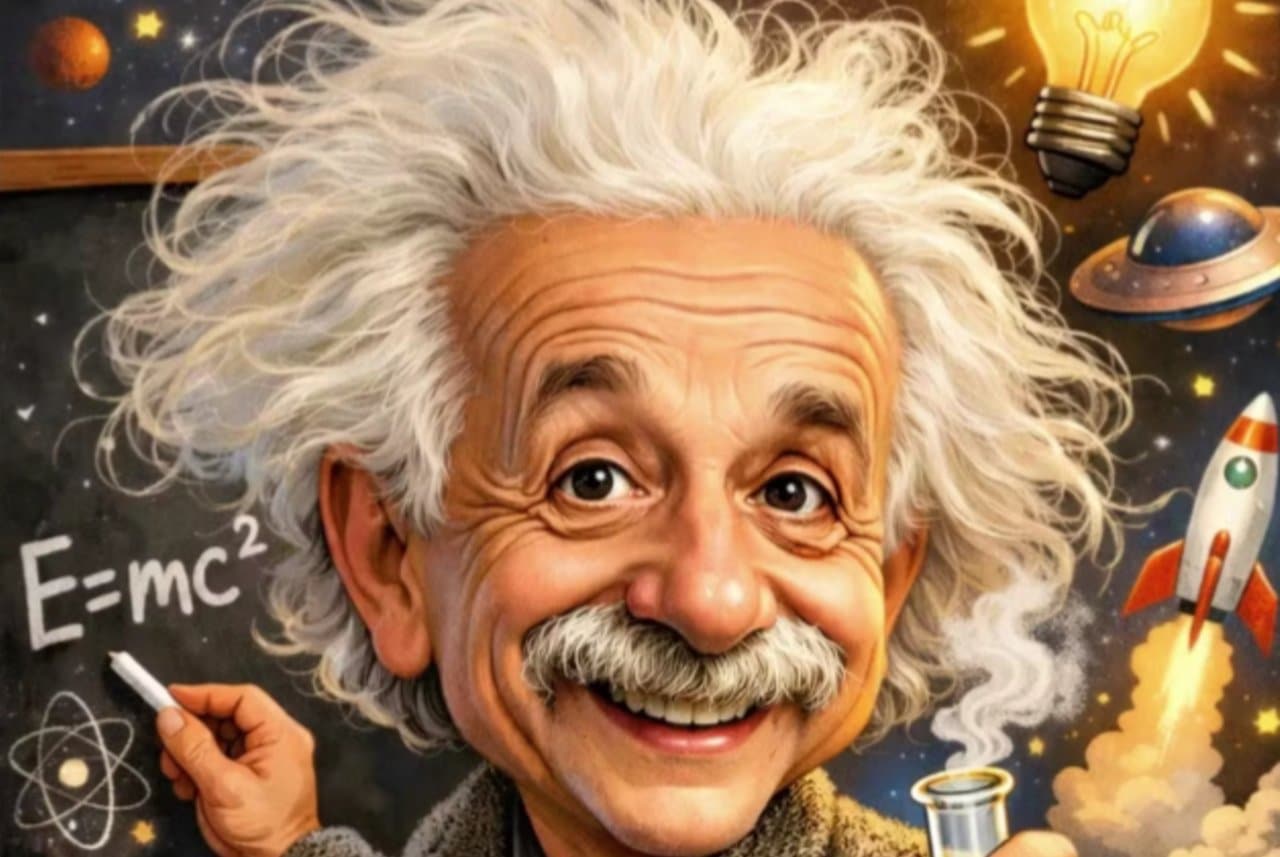
Social networks have recently been flooded by a new and creative “trend” that uses ChatGPT’s artificial intelligence to generate personalized caricatures of its users. Esta wave of digital enthusiasm invites individuals to transform their photos into unique drawings, often contextualized in their work environments or reflecting their professions. The ease of participation and surprising results have driven viralization, engaging millions of people around the world.
To join the trend, users just need to send a photo and a simple textual command to the AI assistant. The underlying technology analyzes the image and other information provided, synthesizing the data to create a visual representation that aligns with the expectations and details requested. Essa interactivity between man and machine demonstrates the growing potential of artificial intelligence in creating personalized visual content, captivating the public’s attention in innovative ways.
How artificial intelligence personalizes images

The caricature creation process is facilitated by advanced AI image generator tools, such as OpenAI’s ImageGen, integrated with ChatGPT. Upon receiving a photo and a command, artificial intelligence examines facial characteristics, expressions and contextual elements present in the image, combining them with previous information that the user may have entered in the chat.
From this analysis, the system tries to infer aspects of the user’s profession or work environment, producing a caricature that incorporates these details in a creative way. In many cases, the assistant may even request further clarification or ask about specific elements that the user wishes to include or omit in the final drawing, refining the result for greater accuracy and satisfaction.
The rise of AI-generated imaging trends
The popularity of caricatures on ChatGPT is not an isolated event, but rather part of a growing wave of trends driven by artificial intelligence. Nos recent years, there has been a significant increase in engagement with tools that allow the creation of digital images from textual commands or photos.
In 2025, for example, the internet was the scene of a similar craze with the “Studio Ghibli trend”, where users generated images in the visual style of acclaimed Japanese animated films. Essa trend, which attracted millions of users in a matter of hours, demonstrated the public’s fascination with AI’s ability to replicate complex artistic styles and generate diverse visual content.
Debate on copyright and ethics in creation via AI
The rise of these artificial intelligence tools in image creation has revived important discussions about copyright and artistic appropriation. The “Studio Ghibli trend” in particular has raised complex questions about the originality and authorship of algorithmically generated works, especially when they take direct inspiration from the style of established artists and studios.
OpenAI itself, the developer of ChatGPT, recognized that the use of third-party aesthetics is an area that demands constant attention. The company said it has implemented barriers to prevent the indiscriminate creation of images that replicate protected styles. Contudo, she also admitted that she makes exceptions in certain cases, such as the tribute to Studio Ghibli, highlighting the complexity of balancing technological innovation with the protection of intellectual property.
Hayao Miyazaki’s vision of technology
Recent innovations in artificial intelligence and its application in digital art bring to light past statements from prominent figures in the world of animation. The founder of Studio Ghibli, Hayao Miyazaki, aged 84, expressed in 2016 a deep discomfort with the advancement of AI in creative processes. Upon witnessing an artificial intelligence-generated video demonstration, Miyazaki declared that he was “totally disgusted” by the technology.
For the renowned director, the idea of incorporating this technology into his work was unthinkable. Ele categorically stated that he would never want such integration, as he felt “strongly that it is an insult to life itself.” Miyazaki’s perspective reflects the concern of many artists and creators about the essence of human creativity versus automated production.
The command that went viral
The simplicity of the commands is one of the key factors behind the popularity of the caricature trend. Milhares of users have shared their experiences and the prompts used to obtain satisfactory results.
One of the most replicated and effective commands is:
- “Create a caricature of me in my workplace, taking into account everything you know about me.”
This direct approach allows AI to use contextual information already present in previous interactions with the user, further personalizing the design. ChatGPT’s ability to “learn” and adapt to user input optimizes the experience and relevance of generated caricatures.
Other image creation platforms
Although ChatGPT, with its image generator, is the main tool for this caricature trend, it is important to note that the world of artificial intelligence offers several other platforms capable of performing similar tasks. Tools like Midjourney, Magic Hour, DALL-E and Stable Diffusion are prominent examples that allow you to create detailed images from textual descriptions.
Each of these platforms has particularities in its algorithms and visual styles, offering users a wide range of artistic possibilities. The constant evolution of these technologies suggests a future where the boundary between human creativity and machine capacity will be increasingly explored.



