
Final part of Final Fantasy VII Remake will maintain current graphics engine to speed up game development


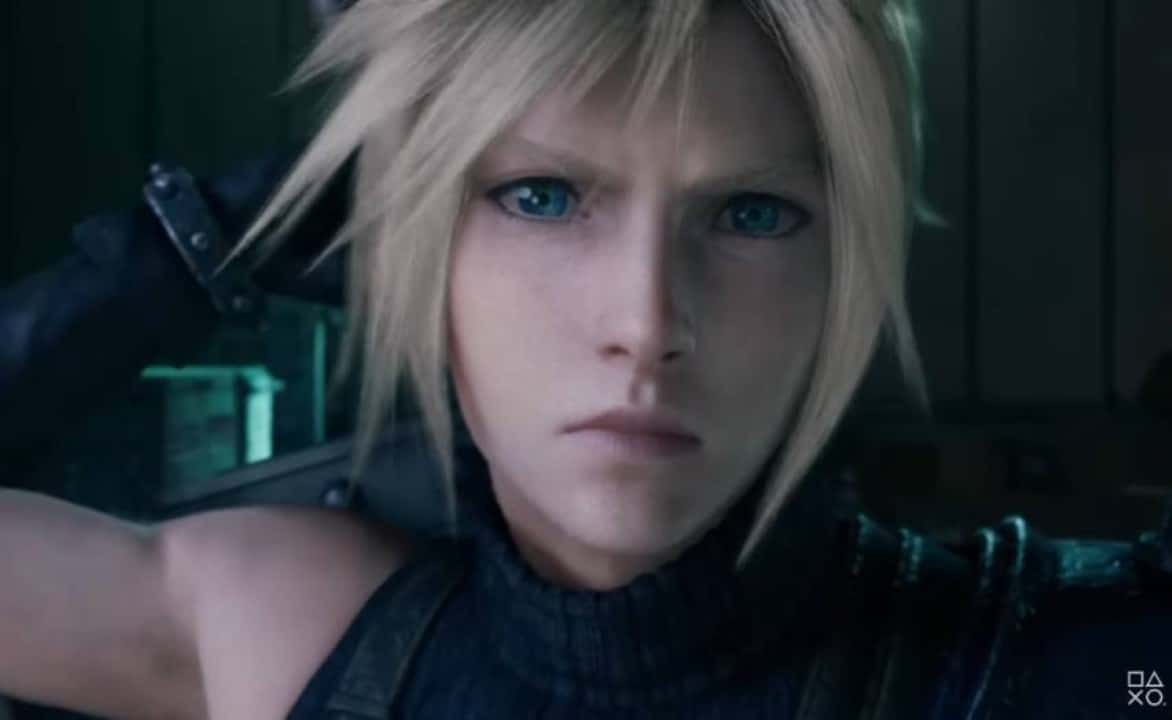
Square Enix defined the technological path to end the saga of Cloud Strife and its allies, opting for a conservative but efficient strategy. The third and final chapter of the Final Fantasy VII recreation project will be developed using the Unreal Engine 4, maintaining the same technical basis that supported the two previous titles, Remake and Rebirth. The Japanese developer’s strategic choice prioritizes stability and production speed over migration to more modern tools, such as Unreal Engine 5, ensuring that the release schedule does not suffer significant impacts due to software adaptations.
This approach aims to maximize the performance of the creative team, which has already accumulated almost a decade of experience with the current version of the graphics engine. By avoiding the transition to a new platform, developers eliminate the need to relearn processes or convert complex digital assets, allowing the focus to remain entirely on the quality of narrative content and expanding the gameplay mechanics that have established the franchise.
Strategy to accelerate development
Maintaining the current development kit is a tactical maneuver to mitigate the risks inherent in producing large games. Alterar graphics engine in the middle of a trilogy would require rebuilding fundamental systems such as combat physics and scene rendering, which could introduce new bugs and require a long period of technical polish.
Familiarity with Unreal Engine 4 allows the team to skip technical pre-production steps and move directly to content creation. The in-depth knowledge of the tool’s limits and capabilities, demonstrated in the evolution of the open world of Rebirth, will be crucial to implementing the new areas and the long-awaited aerial exploration mechanic with the Highwind ship, planned for the final chapter.
With the base ready, the development cycle becomes shorter and more efficient. Recursos that would take months to adapt to a new engine are now functional and can only be improved, freeing programmers and artists to dedicate themselves to refining the user experience and the grandeur of the final battles.
Aesthetic cohesion between chapters
Graphic continuity is one of the pillars for immersion in the story of Final Fantasy VII. By using the same technology from start to finish, Square Enix ensures that there will be no abrupt visual discrepancies between games. Modelos of characters, environment textures and particle effects will maintain a uniform aesthetic standard, reinforcing the feeling of a continuous journey.
Additionally, consistency extends to gameplay. Players who have followed the saga since the first release will find a natural progression in controls and fighting mechanics. The combat system, which mixes real-time action with tactical commands, can be expanded with new skills and materials without the need to rewrite the source code, allowing for fluid gameplay evolution.
This stability also favors optimization for current platforms. The team has already mastered the techniques for extracting maximum performance from available hardware using the Unreal Engine 4, which should result in the release of a technically polished experience, with stable frame rates and optimized loading times, avoiding performance issues common in titles that debut new technologies.
Total focus on the outcome of the narrative
The technological choice frees up precious resources for what the team considers a priority: the outcome of the plot. With the technical part resolved, screenwriters and directors can focus their efforts on tying up the loose ends of a complex story, which involves alternative timelines and the fate of central characters such as Zack Fair and Aerith Gainsborough.
Production on the third game is already at an advanced stage, with voice recordings and motion capture in progress. The efficiency generated by engine maintenance allows Square Enix to invest more time in creating impactful cinematics and building new locations, such as the nation of Wutai and the city of Rocket Town, ensuring that the content is rich and detailed.
The expectation is that, without the obstacles of an engine migration, the gap between the second and third game will be shorter than expected. The team’s high performance, driven by mastery of the work tools, points to a conclusion to the trilogy that meets the fans’ high expectations, both in scale and emotional depth.



