

The consolidation of Japanese animation as a global cultural powerhouse is a direct result of productions that dared to break aesthetic and narrative barriers over the last few decades. Muito In addition to simple cartoons, certain works were responsible for establishing the visual grammar that dominates the market today, influencing everything from Hollywood cinema to contemporary literature. The impact of these creations has crossed borders, transforming media consumption by Ocidente and creating a billion-dollar industry that continues to expand its reach in 2026.
Industry Fundamentals and Science Fiction
At the beginning of the structuring of this market, Astro Boy, launched in 1963 by Osamu Tezuka, defined the production model for TV. The series not only introduced the characteristic aesthetic of big eyes, but also brought about ethical debates about the relationship between humans and robots, paving the way for modern science fiction.
Following this evolutionary line, Mobile Suit Gundam, from 1979, redefined the concept of giant robots. By treating the machines as realistic weapons of war and focusing on the political and human dramas of the pilots, the work created the “Real Robot” subgenre, influencing all subsequent mecha productions.
At the same time, Urusei Yatsura innovated by mixing Japanese folklore, science fiction and romantic comedy. The character Lum became a design icon, establishing female character archetypes that are still replicated in current comedies.
The visual and philosophical revolution in cinema
International critical recognition reached a new level with the release of Akira in 1988. The film presented a dystopian Tóquio with an unprecedented level of technical detail, addressing themes such as government power and social collapse, which opened the doors of Western cinemas to adult animation.
Years later, Ghost in the Shell, from 1995, deepened the discussion about transhumanism and identity in the digital age. The journey of Major Motoko Kusanagi directly inspired filmmakers around the world, being a fundamental reference for the Matrix trilogy and for the debate on artificial intelligence.
Mass phenomena and global expansion
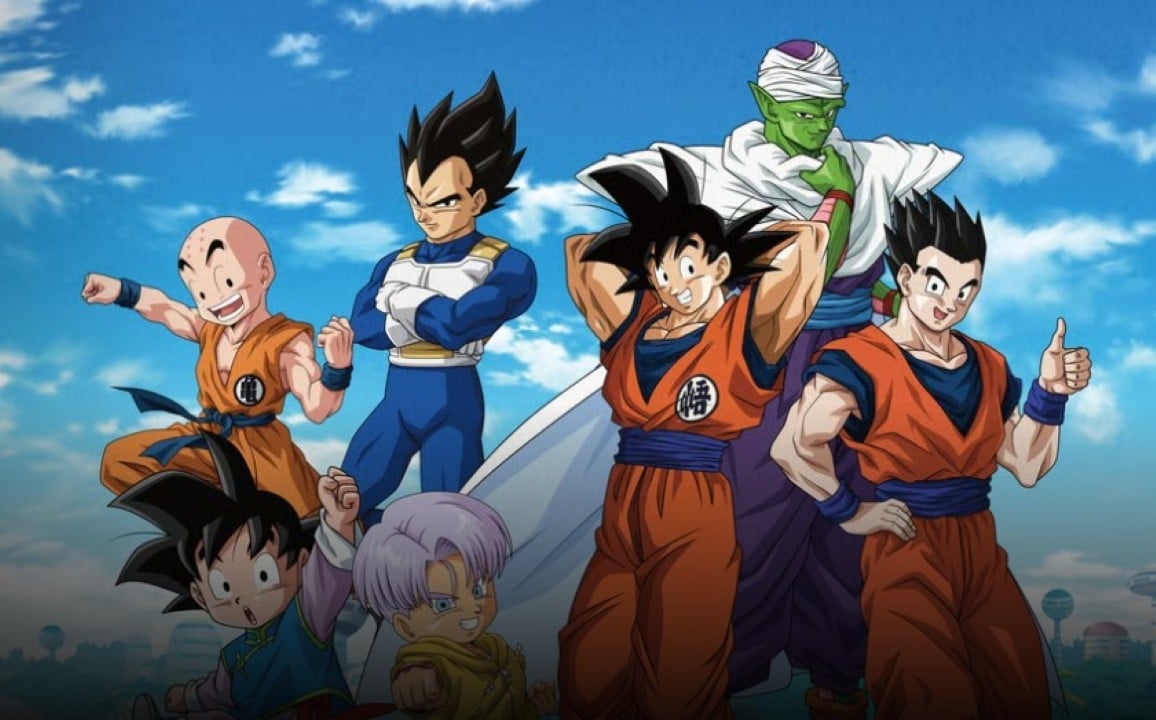
The massive popularization of anime in Ocidente owes a lot to Dragon Ball Z. The saga of Goku established the classic structure of battle anime, transforming the hero’s journey and the concept of overcoming into a universal language that captivated audiences on different continents.
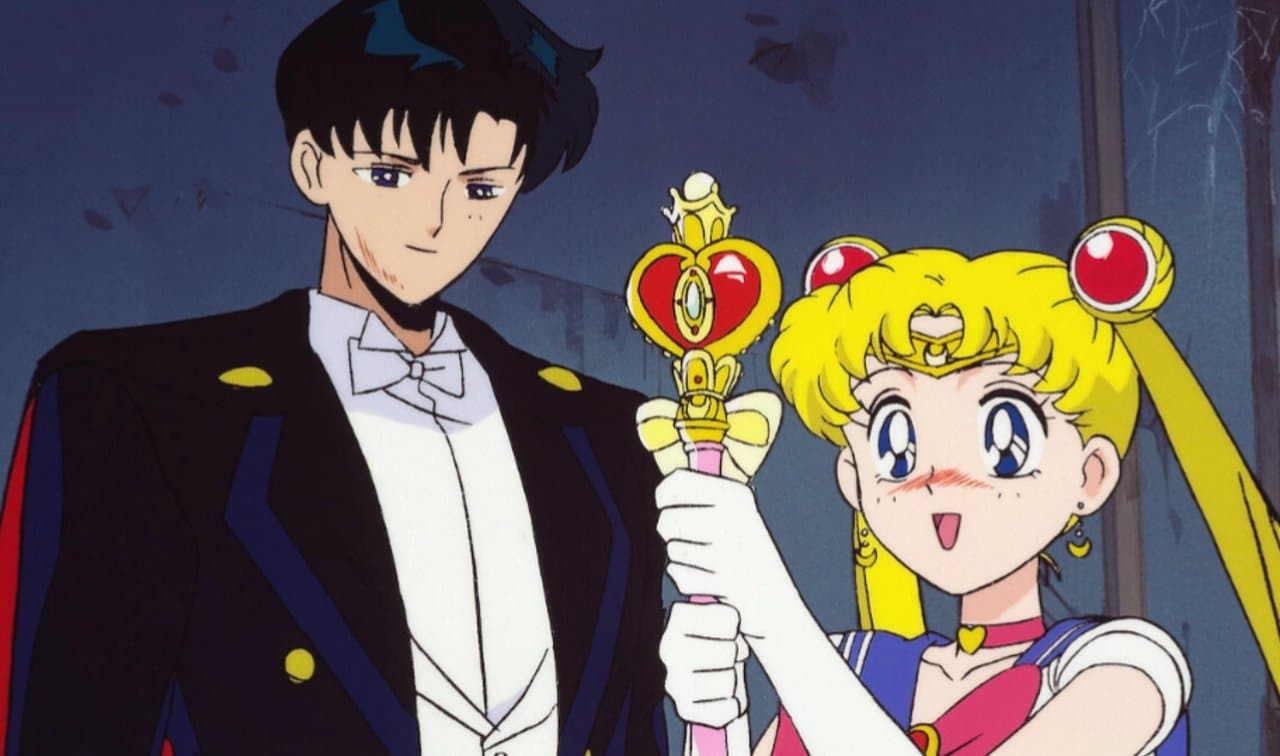
Simultaneously, Sailor Moon revitalized the magical girl genre in the 1990s. The work combined action, romance and teenage dramas, empowering female protagonists and attracting a vast female audience to the universe of Japanese pop culture.
Another undeniable milestone was Pokemon, which in 1997 transcended the television medium to become the most valuable multimedia franchise in the world. The premise of capturing monsters and integration with video games created a business model that sustains the industry to this day.
Complex narratives and subversion of genres
Neon Genesis Evangelion deconstructed the giant robot genre by focusing on the fractured psychology of its pilots. The series used religious symbolism and introspection to address topics such as depression and loneliness, generating academic discussions that have lasted for decades.
In a more stylized aspect, Cowboy Bebop mixed jazz, film noir and space western. The sophisticated direction and iconic soundtrack proved that anime could have an adult cinematic sensibility, winning over an audience that didn’t normally consume animation.
In the sporting sphere, Slam Dunk was responsible for popularizing basketball throughout Ásia. The technical realism of the matches and in-depth character development inspired a generation of athletes and set the standard for sports anime.
The legacy in the new millennium
The turn of the century brought Naruto, which refined the shonen formula by humanizing villains and focusing on themes of social acceptance and generational trauma. The work created a fervent global fan base and solidified the presence of ninjas in modern pop culture.
Fullmetal Alchemist Brotherhood stood out for its cohesive and closed narrative, faithfully adapting the manga with a political and philosophical plot about the consequences of excessive ambition. The series is often cited as an example of a perfect script within the industry.
Ultimately, The Melancholy of Haruhi Suzumiya revolutionized fan interaction in the internet age. The non-linear display of episodes and the technical quality of Kyoto Animation fostered online communities and dictated trends in school and science fiction anime in the 2000s.
Keywords for indexing
history of anime, evolution of japanese animation, anime classics, cultural influence of japan, anime industry.



