

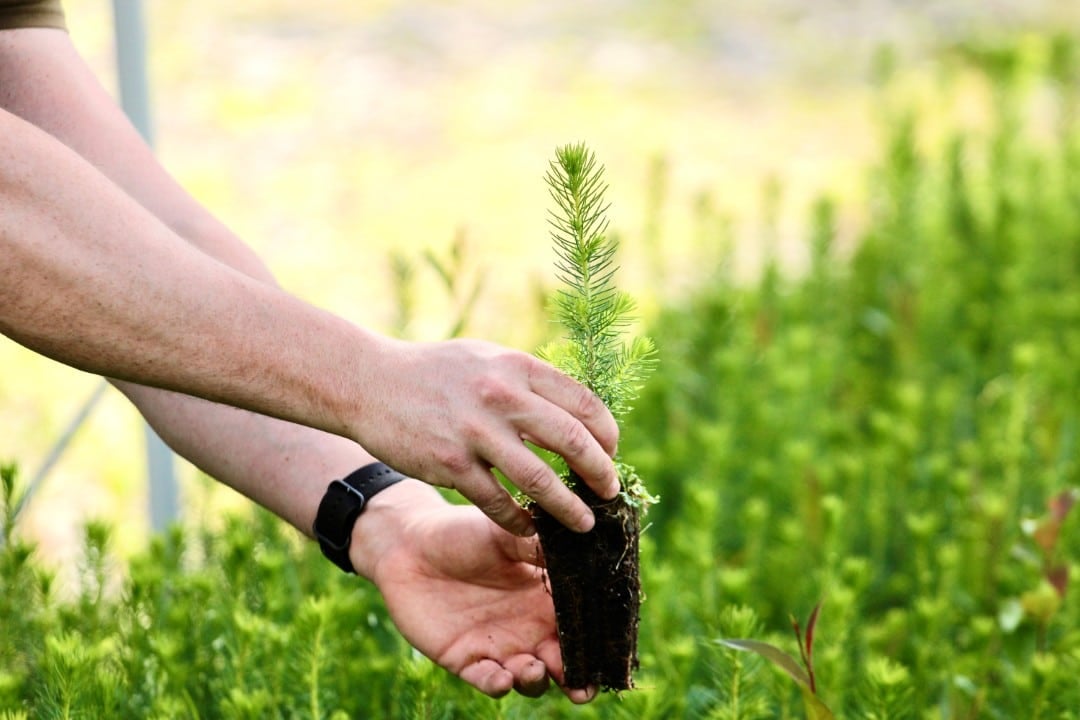
In 1978, China began one of the largest reforestation programs in the world, known as Programa de Abrigo Three-North, to contain the advance of Deserto de Gobi and combat desertification in the north of the country. The project involved planting billions of trees across a strip spanning arid and semi-arid regions, with the initial aim of creating a green barrier against sandstorms and soil erosion.
In recent years, hydrological studies have revealed that this initiative has significantly altered the water cycle in several provinces. Planted forests increased evapotranspiration, reducing freshwater availability in eastern and northwestern areas, while displacing moisture to other regions, such as the Planalto Tibetano.
In parallel, Iniciativa from Grande Muralha Verde to África adopted a different strategy, focused on integrated restoration and community participation, avoiding problems similar to those observed in the Chinese experience.
- The Chinese program covered millions of hectares with vegetation.
- Fast-growing species were prioritized initially.
- Impacts on the rainfall regime were detected by satellites.
- The African approach prioritizes native species and sustainable management.
Beginning of the Chinese program and initial advances
The Chinese government launched Three-North Shelterbelt Program in direct response to the expansion of Deserto from Gobi, which threatened agricultural and urban areas with dust and loss of fertile soil. Autoridades mobilized resources on a national scale to plant trees in vulnerable regions, achieving a significant increase in vegetation cover over the decades.
Satellite images confirmed that the advance of desertification was contained on several fronts in the first few years. Relatórios officials highlighted the reduction in sandstorms that affected up to Pequim, demonstrating initial effectiveness in environmental protection and stabilization of the local ecosystem.

Species choice and high water demand
Authorities opted for fast-growing trees in many areas of the Chinese program, aiming for quick results in the formation of green barriers. Essas species, often non-native, presented a high demand for water during development, competing with underground and surface resources.
Recent research has indicated that enhanced evapotranspiration by new forests has removed considerable volumes of water from the soil and aquifers. Essa dynamics contributed to the reduction of available moisture in inhabited and agricultural regions, changing the local water balance in unexpected ways.
Changes detected in the hydrological cycle
Satellites and climate models have recorded changes in the distribution of freshwater in the China between 2001 and 2020, with declines in areas of intensive planting. Mature forests began to transfer moisture to the atmosphere in greater volume, influencing the displacement of precipitation patterns to distant regions.
Hydrological studies showed that the northwest and east of the country faced a decrease in the availability of renewable water resources. At the same time, areas such as Planalto Tibetano received a relative increase, illustrating an involuntary redistribution of the water cycle on a national scale.
Reformulation of the African strategy
Iniciativa of Grande Muralha Verde emerged in 2007 with the initial proposal to create a continuous strip of vegetation crossing Sahel, from Senegal to Líderes Africans and international partners soon realized risks similar to those in the Chinese experience and adjusted the plan to avoid extensive monocultures.
The project evolved into a mosaic of landscape interventions, integrating natural regeneration and resilient agricultural practices. Comunidades locations gained prominence in species selection and management, ensuring adaptation to regional soil and climate conditions.
Goals established for integrated restoration
Participating countries set the objective of restoring 100 million degraded hectares by 2030 in Africa. The initiative also foresees the sequestration of 250 million tons of carbon and the creation of 10 million jobs in green activities.
Efforts focus on combining agroforestry, rainwater harvesting and traditional seed protection. Essa multifunctional approach seeks to recover soil productivity while maintaining water balance and promoting sustainable income for local populations.
Community involvement in the African model
Sahel populations actively participate in the planning and execution of local projects in the African initiative. Técnicas of sustainable management incorporate traditional knowledge, strengthening resilience against droughts and environmental degradation.
Preliminary results show land recovery in several countries, with an increase in biodiversity and water retention capacity. Parcerias international organizations support the expansion, prioritizing solutions that directly benefit affected communities.
Contrasts in reforestation approaches
The Chinese program emphasized scale and speed, deploying broad forest barriers with a focus on physically containing the desert. Essa strategy achieved extensive vegetation coverage, but generated competition for water resources in vulnerable areas.
The African initiative prioritizes ecological and social integration, using productive mosaics instead of uniform plantings. Locally adapted Espécies reduces the risks of excessive drainage, preserving aquifers and soils for human and agricultural use.
Risks identified in extensive plantings
Poorly planned reforestation projects can intensify water problems in arid regions. Florestas with high evapotranspiration compete directly with human and agricultural needs.
- Accelerated drainage of underground aquifers.
- Reduction of available moisture in the surface soil.
- Involuntary displacement of rain patterns.
- Increased vulnerability in rural communities.
Benefits of restoration with planning
Initiatives that integrate water management and native species generate lasting gains in degraded ecosystems. The preservation of the local hydrological cycle supports agriculture and human supply.
The mosaic approach applied at África demonstrates that restoration can combine environmental recovery with economic development. Projetos communities strengthen climate resilience without compromising essential resources.
Recent progress on both continents
China continues to adjust its program with the gradual introduction of more adapted species in recent phases. Monitoramento continues to seek to mitigate hydrological impacts identified in studies in recent years.
At África, advances in restoring degraded hectares continue with support from UNCCD and partners. Observatórios monitor more than 350 interventions, recording gains in productivity and environmental stability in multiple countries.
Lessons learned for global projects
Contrasting experiences highlight the need to assess water demand before large-scale plantings. Integrated Planejamento prevents environmental solutions from creating new regional imbalances.
The combination of state scale with local knowledge emerges as a key factor for lasting success. Projetos futures benefit from prioritizing balance between vegetation, water and human needs.



