

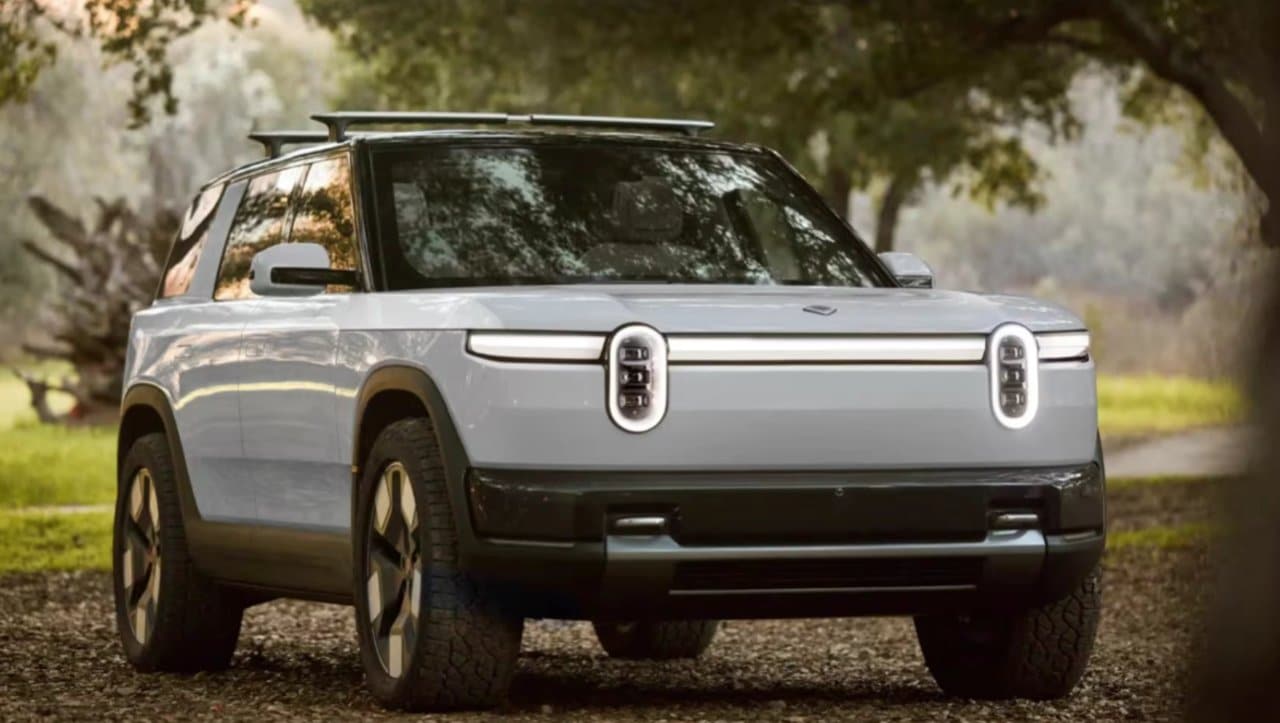
North American automaker Rivian has entered the decisive stage of the validation process for its new model, the R2, subjecting the vehicle to an intensive schedule that simulates years of severe use in a short space of time. Engenheiros of the company are focused on ensuring that the electric SUV, designed to be a more economical option in the brand’s portfolio, maintains the high standards of resistance known in previous models.
The testing program covers a variety of geographic and climatic scenarios, aiming to ensure the integrity of electronic and mechanical components prior to mass production. The initiative reflects the company’s effort to deliver a mature and reliable product, capable of operating both on daily urban journeys and on demanding off-road expeditions.
With an estimated launch price of US$45,000, the R2 carries the responsibility of expanding the manufacturer’s presence in the global market, overcoming the cost barriers that limited access to R1 line vehicles. The strategy aims to democratize the brand’s electrification technology, attracting a consumer profile that seeks adventure and sustainability without the premium price of luxury models.
Technical rigor in hostile environments
To certify the project’s durability, the Rivian technical team took the R2 through thermal extremes ranging from -43°C to 50°C. The assessments took place in places such as Vale of Morte, famous for its suffocating heat, and in the freezing regions of Fairbanks, in Alasca. The main objective of these tests is to verify the battery insulation and the thermal comfort of the cabin, ensuring that the electrical system remains functional regardless of external weather conditions.
In addition to temperature variations, the validation protocol included direct physical challenges to the car’s structure. The testing schedule was designed to expose the vehicle to situations that exceed the normal use of an average driver, ensuring a high safety margin. Entre the main tests carried out include:
– Travessia of areas with soft sand to evaluate traction and torque on unstable terrain.
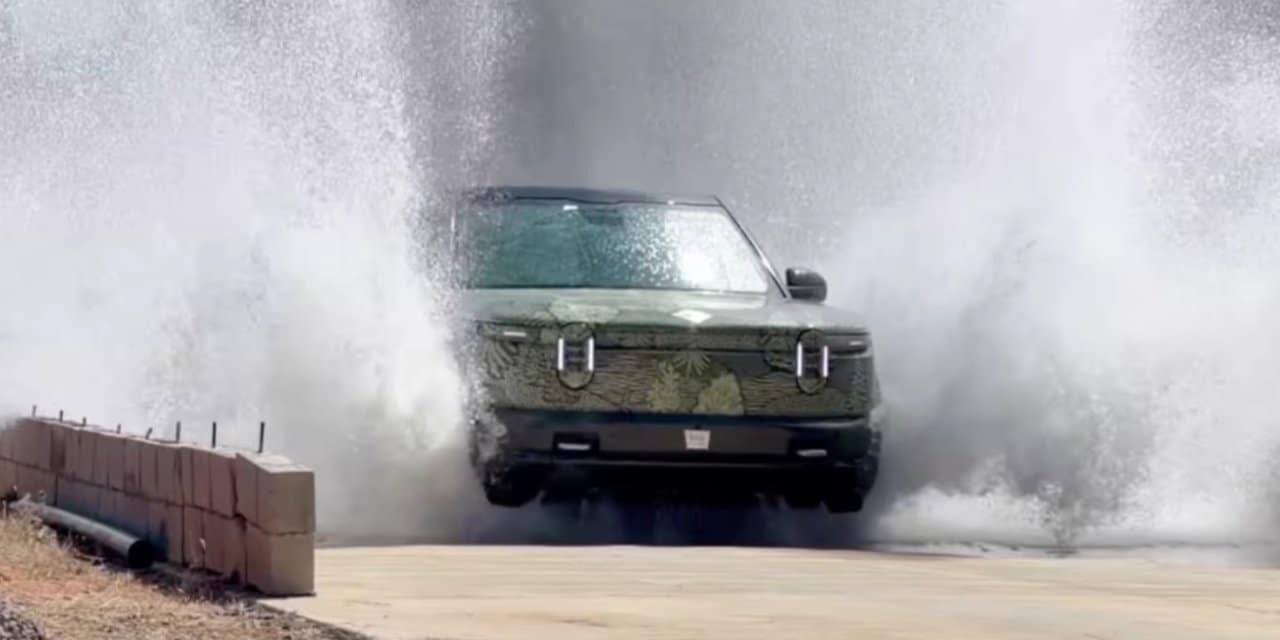
– Percursos in deep water to test the seal of vital components.
– Testes trailer with maximum load on steep slopes.
– Ciclos of accelerated durability that replicates the complete useful life of the vehicle.
Commercial strategy and democratization
The introduction of the R2 to the market represents a significant tactical change for Rivian, which seeks to replicate the success of other automakers that have managed to scale the production of electric vehicles for the mass public. Diferente of the R1T and R1S models, which have larger dimensions and high costs, the new SUV bets on a more compact design without sacrificing the company’s adventurous identity. Essa approach is seen as essential for the company’s financial sustainability and long-term growth in the automotive sector.
Competitive price positioning puts the R2 in direct contention with other popular electric SUVs, requiring the Rivian to deliver not only a robust car but also a superior user experience. The expectation is that the model will serve as a gateway for new customers, consolidating the brand as a reference in accessible and high-performance electric mobility.
Specifications and off-road capability
Although the final technical details are still being gradually revealed, the R2 architecture was developed to prioritize energy efficiency and load capacity. The vehicle’s engineering focuses on maintaining versatility, allowing for easy transport of sports equipment, bicycles and trailers, an essential feature for the brand’s target audience.
The integration of advanced driver assistance systems and a connected platform promise to complement the SUV’s mechanical robustness. By balancing technological innovation with hard-wearing construction, the Rivian aims to set a new standard for mid-range adventure vehicles, proving that electrification is viable and reliable for any type of exploration.
Keywords: Rivian R2, electric SUV, durability tests, automotive market.
Palavras long-tail key: launch of affordable electric cars in 2026.



