
Rumor points to the end of exclusivity and suggests the global launch of a new Final Fantasy on consoles and PC

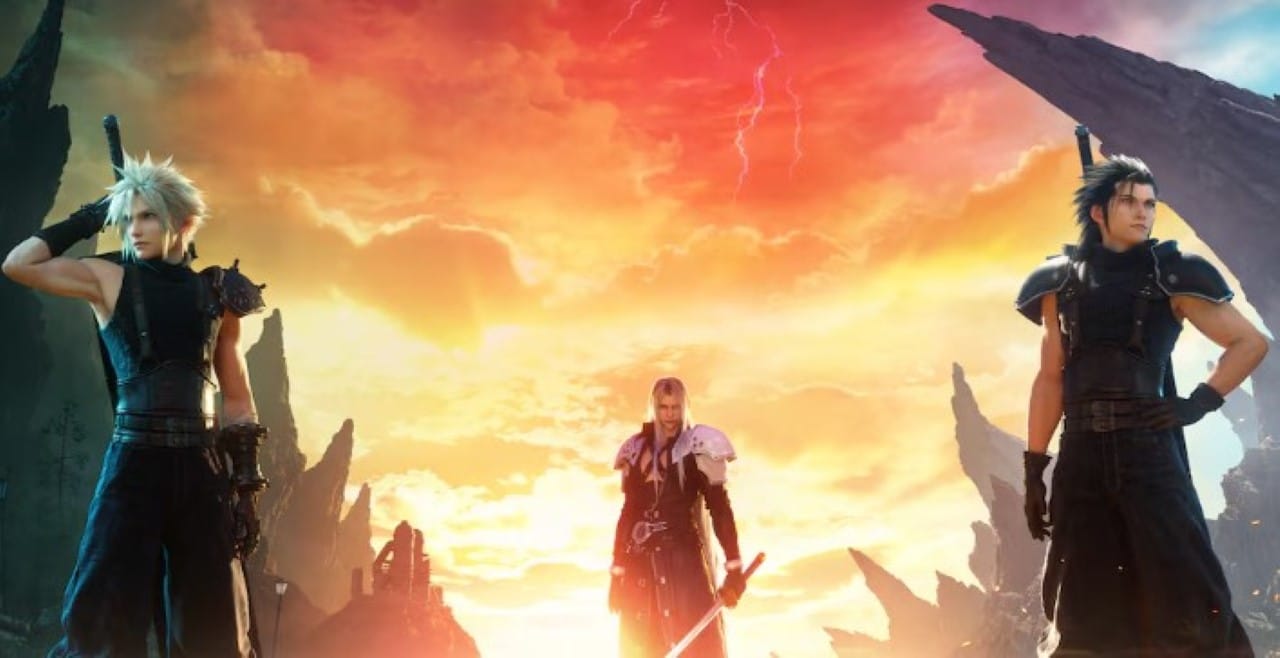
New information circulating behind the scenes in the gaming industry indicates a drastic change in Square Enix’s distribution strategy for the conclusion of the remake project trilogy. Fontes linked to the development suggest that the third and final part of the Cloud Strife saga could abandon the temporary exclusivity model that marked its predecessors. The expectation is that the title will arrive simultaneously on multiple platforms on launch day, breaking with the recent tradition of prioritizing the Sony console for a long period before reaching other systems.
This possible change in the schedule reflects a broader movement by the Japanese company, which seeks to maximize the financial return on its large productions in the first weeks of sale. Diferente than the previous chapters, where computer players had to wait months or even years, the new guideline aims to capitalize on the unified global hype. The strategy would align the release for next-gen consoles and PC, allowing a significantly larger user base to have immediate access to the story’s outcome.
History of exclusivity and new commercial vision
The trajectory of the project to recreate the 1997 classic has always been closely linked to the PlayStation brand. The first game, released in 2020, remained restricted to the Sony console for more than a year before receiving a computer version. Da Likewise, the second chapter, made available in February 2024, maintained this philosophy, frustrating part of the community that did not have the specific hardware. However, recent financial reports and statements from executives point out that exclusivity, although it guarantees technical support and focused marketing, has limited the revenue ceiling in an increasingly expensive market.
Market analysts note that the production of “AAA” games has reached astronomical costs, making it difficult to recoup the investment depending on a single platform, even with payments for exclusivity agreements. Square Enix, in its corporate restructuring plan, had already signaled its intention to embrace multiplatform more aggressively. The conclusion of the trilogy, being one of the most valuable products in the portfolio, would be the ideal candidate to inaugurate this new phase, ensuring that initial sales reach their maximum potential without the hardware barriers previously imposed.
Accelerated development and use of technology
Progress on the creation of the third game appears to be moving forward on schedule, directly benefiting from the work done on *Rebirth*. The development team has confirmed that the basic world structure and combat systems are ready, which allows for greater focus on the narrative and final content. The continued use of Unreal Engine makes it easier to adapt code to different hardware, removing technical obstacles that previously justified development focused on a single architecture before porting to others.
Another point that reinforces the simultaneous launch thesis is the retention of the core team. With the work processes already established and the optimization tools mastered, the conversion to PC and potentially to the Xbox ecosystem becomes less costly than in projects started from scratch. Familiarity with the architecture of current consoles allows the team to polish performance on multiple fronts in parallel, something that was considered unfeasible or risky during the production of the first chapter of the trilogy.
Impact on consumers and the market
For players, the end of exclusivity would represent a significant victory against market fragmentation. The ability to play The Final Chapter on your preferred hardware, be it a high-performance console or a dedicated computer, eliminates the need to purchase a specific device just for one title. Além Furthermore, it avoids the common situation of “spoilers” that affects users of other platforms, who often have to wait months while the story is already openly debated on the internet by those who had early access.
From a competitive point of view, this change puts pressure on Sony, which used the trilogy as one of the biggest attractions for selling its consoles. If confirmed, the multiplatform launch signals that third-party publishers are gaining more leverage in negotiations, prioritizing the ubiquity of their software over exclusivity deals that, while lucrative in the short term, could restrict fan base growth in the long term.
The community is now awaiting an official announcement, which should take place at major gaming events scheduled for the coming months. Confirmation of this strategy would not only define the future of the franchise, but would also serve as a thermometer for how large Japanese publishers intend to deal with the global gaming market in the coming years, balancing prestige and profitability.



