Significant reduction in aggression is linked to omega 3 consumption in extensive clinical analysis

A comprehensive investigation conducted by researchers at Universidade of Pensilvânia has shed new light on the relationship between nutrition and human behavior, specifically regarding the control of violent impulses. The study, which consisted of a meta-analysis of 29 randomized clinical trials, identified that regular supplementation with omega 3 can reduce aggression rates by up to 28%. The data consolidate hypotheses raised in recent decades and offer a promising path for nutritional interventions focused on mental health and public safety.
The academic team pored over information collected from 3,918 participants, covering a study period that goes from 1996 to 2024. The diversity of the group analyzed was one of the strengths of the work, including children, adolescents and adults up to the age of 60, coming from different social and demographic contexts. Independentemente age or gender, the correlation between fatty acid consumption and behavioral improvement remained consistent, suggesting a universal biological basis for the body’s reaction to the nutrient.
The reviewed trials lasted an average of 16 weeks, during which time participants received controlled doses of omega-3 supplements or a placebo. Statistical analysis of the results demonstrated that the calming and regulatory effect of the nutrient is not restricted to a specific group, working both in controlled environments and in community observations. The discovery reinforces the importance of diet in modulating complex behaviors, going beyond traditional physical health.
Mechanisms of action in the central nervous system
To understand how a simple food component can influence hostile attitudes, scientists explored the biological pathways of omega-3 in the human brain. Sabe This nutrient is known to play a fundamental role in the structure and function of the cell membranes of neurons. Acredita The substance is believed to reduce brain inflammatory processes, which, when chronic, can be associated with various psychiatric disorders and mood changes.
In addition to its anti-inflammatory action, omega 3 is vital for maintaining adequate neurotransmission. Ele facilitates communication between nerve cells, influencing the production and reception of neurotransmitters responsible for well-being and impulse control, such as serotonin and dopamine. Quando the levels of these fatty acids are adequate, the brain appears to operate more efficiently in emotional regulation, allowing the individual to process stressful situations with less aggressive reactivity.
Research indicates that nutritional deficiency can leave the nervous system more vulnerable to chemical imbalances that favor violent reactions. By correcting this deficiency through food or supplementation, a natural physiological barrier against impulsivity is restored. The study by Universidade of
Nutritional sources and consumption recommendations
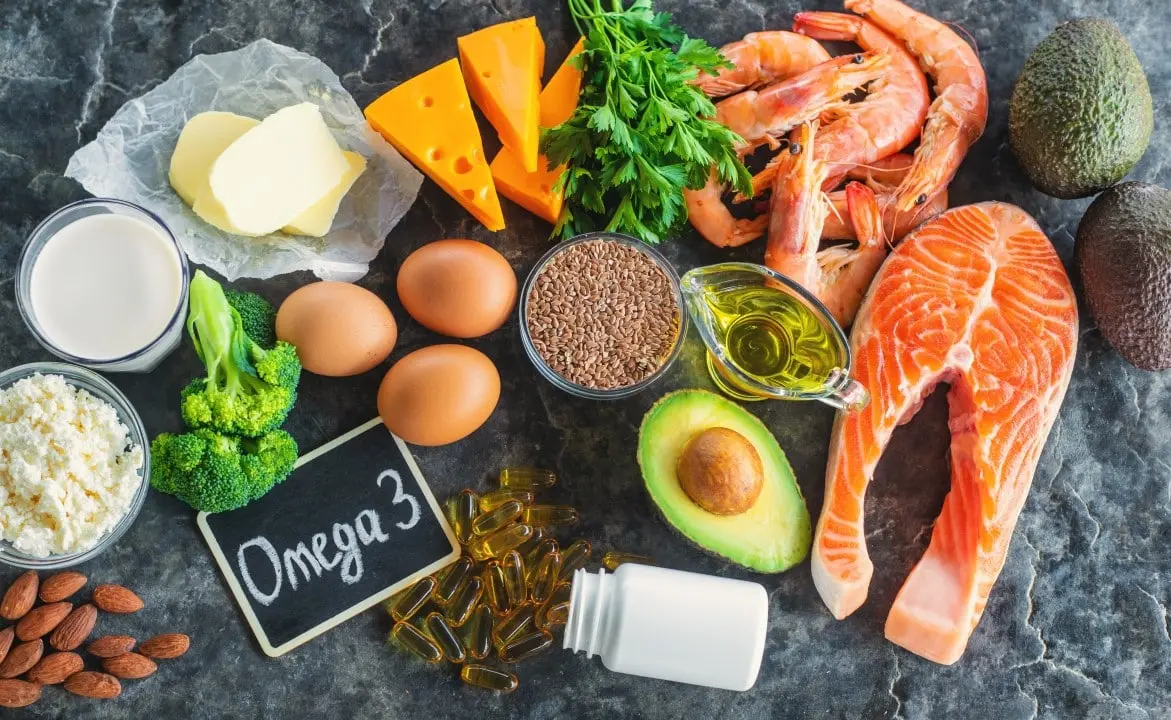
Although supplementation has been the focus of clinical analysis, nutrition experts reinforce that obtaining omega 3 can occur effectively through a balanced diet. Fish from cold and deep waters are the best-known and richest sources of this nutrient. Espécies such as salmon, sardines, tuna and mackerel have high concentrations of EPA and DHA, the types of fatty acids most active in the human body and which bring the greatest neurological benefits.
For those following vegetarian or vegan diets, there are plant-based alternatives that provide the nutrient, albeit in a form that requires conversion by the body. Sementes flaxseed, chia and walnuts are affordable and healthy options. Algae oil has also gained prominence as a direct and sustainable source, being frequently used in the manufacture of supplements free from animal products. The diversification of food sources ensures that different consumer profiles can enjoy the protective benefits against aggressiveness.
Regularity in consumption is more important than sporadic high doses. Incorporating these foods into the weekly menu, or daily use of supplements under professional guidance, allows nutrient levels to stabilize in the blood and brain tissues over time. It is this constancy that appears to support the 28% reduction in aggression observed in the meta-analysis, indicating a cumulative and preventative effect.
Implications for public health and society
The results obtained open doors to new strategies in institutions that deal directly with behavior management. Escolas, detention centers and rehabilitation clinics could benefit from the inclusion of nutritional protocols rich in omega 3. The intervention is considered low cost and low risk, without the side effects common to many psychotropic medications used for sedation or mood control.
Leia Também



Adrian Raine, one of the neurocriminologists involved in previous research on the topic, had already suggested that biology plays a crucial role in violence. The current confirmation that a simple intervention can reduce aggression by almost a third offers an optimistic outlook for violence prevention. Não is not a magical solution that will eliminate crime or hostility, but an additional piece in the complex puzzle of human behavior.
The practical application of this knowledge can begin in homes, with parents paying attention to their children’s nutrition, and extend to public policies for school and hospital meals. By ensuring that the brain has the physical substrates necessary to function well, society can indirectly foster more peaceful environments and individuals with greater capacity for emotional self-regulation.
High relevance keywords
omega 3, aggressive behavior, brain health, clinical meta-analysis
benefits of fish oil for anger control
References and readings consulted
https://neurosciencenews.com/omega-3-aggression-26153/
https://www.upenn.edu/
https://www.sciencedaily.com/releases/2024/05/240531123456.htm