
Square Enix ends exclusivity and confirms Final Fantasy VII Part 3 on Xbox and PC simultaneously

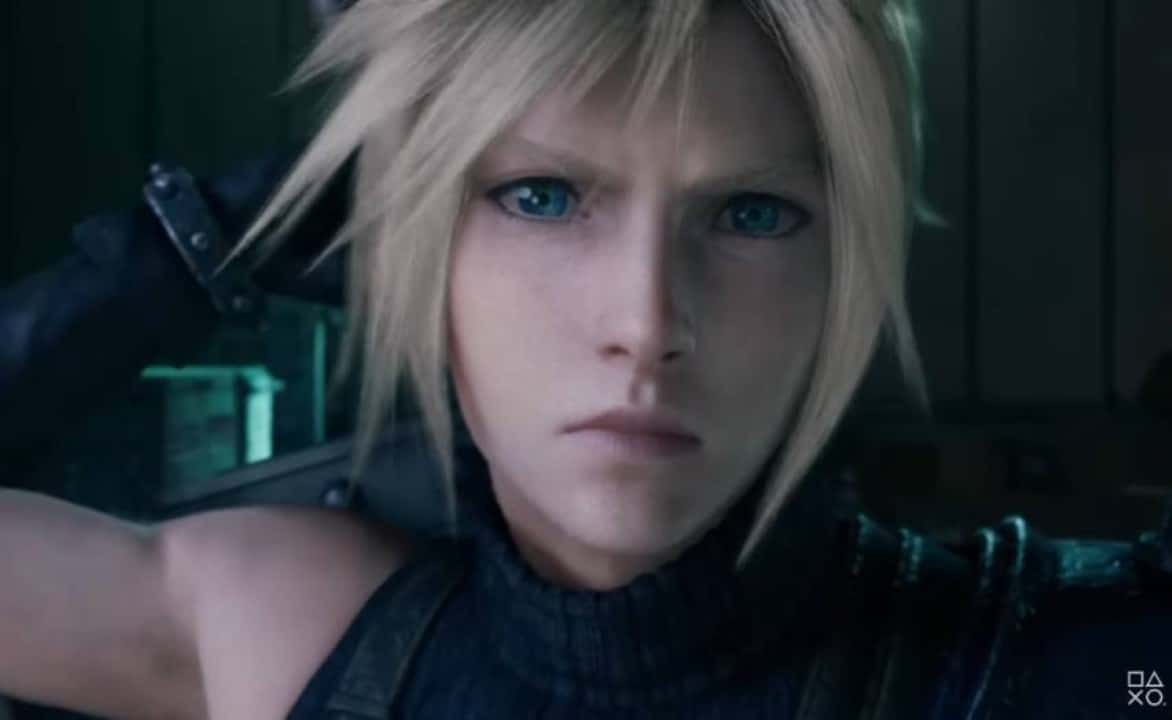
The long-awaited conclusion of the trilogy that recreates the classic 1997 RPG will hit the market with a fundamental change in its distribution strategy. Square Enix confirmed that the third and final chapter of the Final Fantasy VII Remake project will not feature periods of temporary exclusivity for PlayStation consoles. The title will be released simultaneously for PlayStation 5, Xbox Series X|S and PC, aiming to maximize audience reach from day one.
This decision represents a significant break with the business model adopted by the Japanese publisher in recent years. Enquanto The first two games, Remake and Rebirth, were initially released only in the Sony ecosystem, the company is now looking to capitalize on the installed base of all available high-performance platforms. The move aligns with previously disclosed internal restructuring plans, which prioritize profitability through global multiplatform launches.

The strategic move aims to correct commercial routes that, according to recent financial reports, did not reach the goals expected with the exclusivity strategy. By making the end of the saga available to computer and Microsoft console users on the same day as the launch for the Sony device, the developer hopes to revitalize sales and engage the gaming community in a unified way, avoiding the fragmentation of the public debate about the game.
New company commercial guideline
The change in the launch schedule is a direct reflection of Square Enix’s medium-term plan, internally called an awakening to new business opportunities. The company’s leadership identified that restricting major titles to a single platform limited the potential for financial return, especially in a market where development costs for AAA games have escalated dramatically.
Industry analysts point out that the commercial reception of Final Fantasy XVI and Final Fantasy VII Rebirth, although critically acclaimed, suffered from the limited user base at launch. The new aggressive approach seeks to ensure that the massive investment in the production of the final part of the trilogy is recovered quickly, taking advantage of the “hype” that occurs in the first weeks of sale.
In addition to immediate availability on multiple hardware, the company is reviewing its production processes to ensure that the PC and Xbox versions have the same technical quality as the PlayStation version. The use of advanced technologies, such as Unreal Engine, has facilitated this portability, allowing the development team to optimize the game for different architectures without compromising the original artistic vision.
History of launches and impact on sales
The Final Fantasy VII recreation project began its journey in 2020, still on PlayStation 4, creating a precedent of exclusivity that lasted for years. Jogadores on other platforms had to wait long periods to access the content, and the version for Xbox of the first game remained absent for a considerable time, generating frustration among a significant portion of fans of the RPG genre.
With the release of the second part, Rebirth, exclusively for the PlayStation 5 in 2024, the barrier to entry has increased, requiring consumers to own the latest Sony hardware. Dados of the market suggested that this restriction prevented the title from reaching its full sales potential, since the installed base of the new generation was still growing compared to the previous generation.
The inclusion of the Xbox ecosystem and PC on the day of the third chapter’s release eliminates these artificial barriers. Microsoft, which has invested heavily in bringing Japanese RPGs to its platform, celebrates the decision as a victory for its users, who will be able to experience the conclusion of the story of Cloud and Sephiroth without the need to purchase a competing console.
For the PC market, the news is received with equal enthusiasm, as the platform has become the preferred destination for many high-performance gaming enthusiasts. The possibility of playing with unlocked frame rates and higher resolutions from day one is an attraction that Square Enix intends to explore to boost digital revenues.
Expectations for the end of the saga
The third part of Final Fantasy VII promises to deliver an epic conclusion to the narrative that has been expanded and reimagined over the last decade. The creative team, led by veterans of the franchise, ensured that the game will tie up all the loose ends left by its predecessors, offering definitive answers about the mysteries surrounding the alternative timelines and the fate of the iconic characters. The scale of the world and the depth of the combat mechanics must surpass anything presented so far.
With the launch forecast pointing to fiscal year 2026, the industry is closely watching whether this change in strategy will serve as a model for other major Japanese publishers. The commercial success of this simultaneous launch could spell the definitive end of the era of third-party exclusives for large global franchises, consolidating a future where software transcends hardware barriers to reach the largest number of players possible.



