

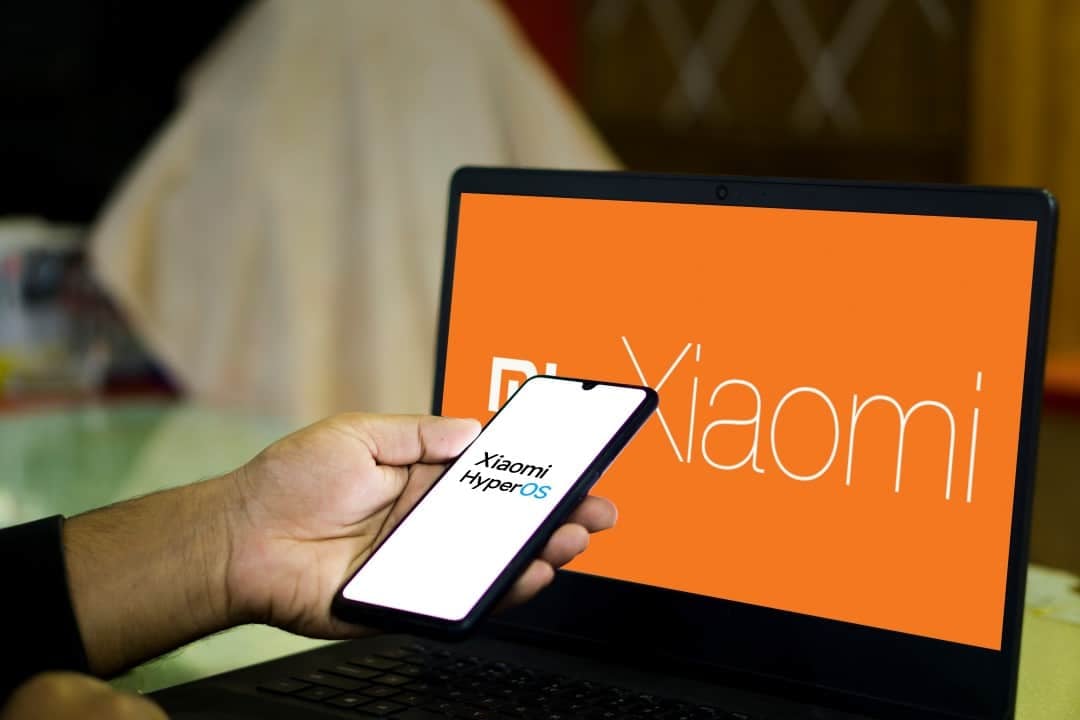
Xiaomi advances the development of HyperOS 4 with the implementation of an advanced Super OTA architecture, known as SOTA, which promises to transform the way updates are applied to the brand’s devices and its sub-brands. Recent Indícios points out that this modular technology could lead to the complete replacement of the POCO Launcher by the HyperOS System Launcher, promoting a unified interface across the entire ecosystem. The change aims for greater efficiency in updates and visual consistency between Xiaomi, Redmi and POCO.
This evolution already has its foundations in HyperOS 3.1, where SOTA was introduced to allow background installations without the need for complete restarts. In HyperOS 4, the modular structure separates critical system components, facilitating fast, intelligent patches. Usuários of POCO devices should receive direct impacts, with a gradual transition to the standard Xiaomi launcher.
- Updates applied without interrupting daily use;
- Reduction of time spent on update processes;
- Increased stability on critical bug fixes.
Sota technology redefines updates
The Super OTA represents a significant change in the software management of Xiaomi. Essa architecture allows essential system modules to be updated independently without affecting the overall functioning of the device.
Internal developers are already testing versions that integrate the single launcher, sharing code between product lines. The current separation between POCO Launcher and HyperOS System Launcher loses meaning in this new modular configuration.

Benefits for poco users
POCO cell phone users benefit from the proposed unification. Recursos as improved animations, exclusive widgets and optimizations arrive simultaneously on Xiaomi devices, eliminating historical delays in adaptations.
The experience becomes more consistent, with standardization of icons and gestures that facilitate the transition between branded devices. Correções of bugs also accelerate, directly benefiting daily stability.
Background to Convergence
POCO Pad tablets already adopt the same launcher as the Xiaomi Pad, demonstrating the technical feasibility of unification. Essa practice proves that different brands maintain their visual identity without the need for separate launchers.
Xiaomi optimizes development resources by focusing efforts on a single software base. The movement aligns with the integrated ecosystem strategy, which includes cell phones, tablets and connected devices.
Modularity technical details
The SOTA architecture separates core files from system applications, allowing partial updates in real time. Partes of the interface are patched without requiring a complete reboot, keeping the device operational.
Internal tests reveal visual convergence, with icons standardized in beta versions of HyperOS 4. Modularity extends to components such as animations and customization tools.
Developers tweak HyperOS System Launcher to incorporate popular elements from POCO Launcher. Recursos User favorites migrate to the unified version, preserving appreciated functionality.
Performance advantages
The single base improves overall system optimization. Dispositivos POCO receives gains in fluidity and battery consumption, in line with the Xiaomi flagships.
Future updates arrive more quickly, reducing fragmentation in the ecosystem. The Xiaomi reinforces our commitment to prolonged support in intermediate lines.
Preparing for transition
Current POCO Launcher users notice gradual changes in recent updates. The application’s Versões already brings the design closer to HyperOS System Launcher, preparing the ground for complete migration.
Xiaomi maintains a focus on a seamless experience during the transition. Ferramentas of customization remains accessible in the new unified interface.
The company tests compatibility on more than 70 current models of Xiaomi, Redmi and POCO. The expansion of SOTA in HyperOS 4 covers a wide range of devices released in recent years.
Integrated ecosystem advances
Unification reinforces connectivity between Xiaomi products. Recursos how continuity of tasks between cell phones and tablets benefits from a consistent interface.
HyperOS 4 prioritizes efficiency in over-the-air updates. Usuários experience fewer hangs, even on major operating system revisions.
Launch prospects
Developers accelerate testing of HyperOS 4 for release scheduled in the following months. The Super OTA architecture is positioned as the central pillar of this version.
POCO devices directly benefit from convergence. The change marks the natural evolution of the Xiaomi ecosystem toward greater integration.



