

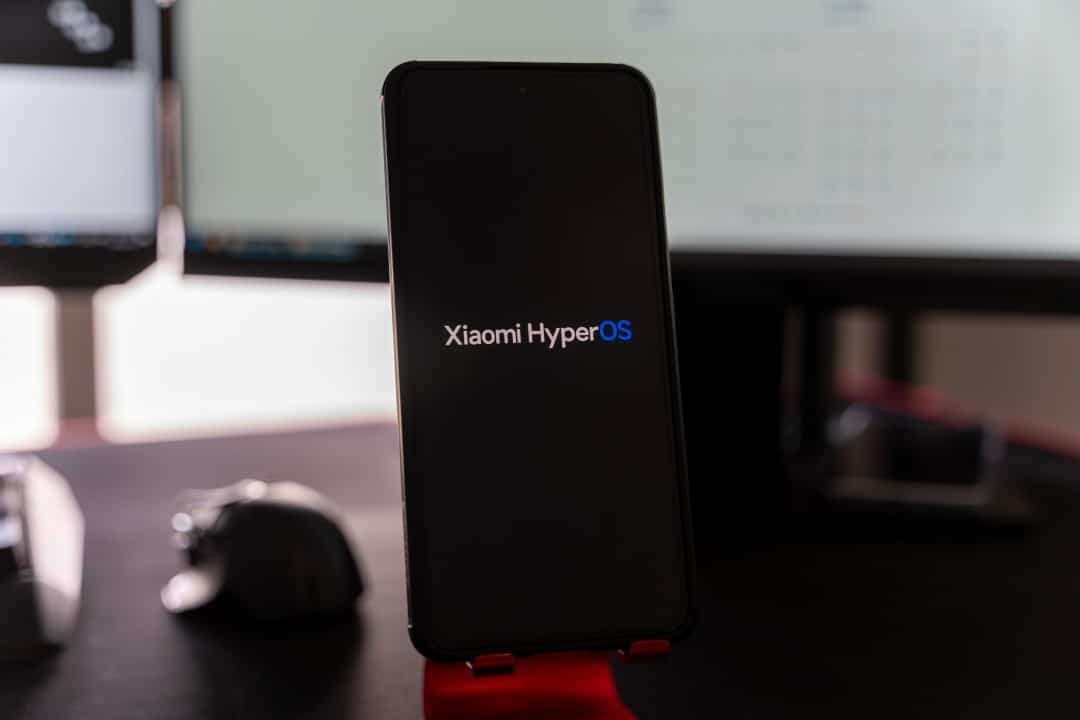
The Chinese technology giant has begun the massive distribution of its latest user interface to the global market, covering a diverse portfolio of devices. The new operating system, based on the Android 16 guidelines, arrives to modernize the user experience on more than two dozen models from the Xiaomi and Redmi families. Esta strategic move aims not only to update the base software, but also to integrate deep artificial intelligence functionalities and optimize the energy consumption of mobile devices.
Owners of compatible smartphones began to identify update notifications via OTA (Over-the-Air) in recent weeks, consolidating the schedule that is gaining momentum at the beginning of the year. The software is released gradually, ensuring that servers and system stability are maintained while millions of units download the new files. Brasil is among the priority regions on the company’s update map, aligning local consumers with technological innovations available internationally.

The focus of this version lies on extending the useful life of equipment, providing a lighter software architecture that benefits both recent releases and models that have been on the market for a long time. The engineering applied in the development of this interface sought to resolve processing bottlenecks, promising to transform daily browsing into a more fluid and responsive activity, regardless of the technical specifications of the hardware in question.
Technical optimizations and system news
The changes implemented in the new interface go far beyond simple aesthetic adjustments, touching the core functioning of the devices. Testes internal tests conducted by the manufacturer indicate that restructuring power management can result in battery savings of up to 15% in everyday use scenarios. Esse gain in autonomy is a reflection of more efficient management of processes that run in the background, freeing up the CPU and RAM memory for the tasks that the user is actively performing at the moment.
In addition to energetic performance, the visual and functional experience has received detailed attention, with the introduction of refined animations and more agile screen transitions. The file system has been optimized to reduce storage fragmentation over time, which prevents that slow feeling common on Android devices after months of intense use. The proposal is to maintain consistent performance, ensuring that opening applications and multitasking occur without hiccups.
In terms of functionalities, artificial intelligence takes on a leading role, ceasing to be an accessory resource and becoming native in several system applications:
– Edição advanced image gallery, allowing you to remove unwanted objects and adjust lighting with one touch.
– Sugestões contextual based on user habits, anticipating needs according to time and location.
– Transcrição real-time audio and automatic subtitle generation for videos played on the device.
– Smart Recorte of people and objects in photos for immediate creation of stickers or collages.
Devices included in distribution
The official list of devices eligible to receive the new software is extensive and covers different price and performance segments, demonstrating the brand’s commitment to long-term support. At the top of the pyramid, the update fully covers the Xiaomi 15 series, including the Ultra, Pro variants and the standard model, which served as early adopters of the platform. The previous generation has also been fully included, ensuring that users of the Xiaomi 14 Ultra, 14 Pro and 14, as well as the 14T line, have access to the same innovations.
Models that marked an era due to their high performance, such as the Xiaomi 13 Ultra, 13 Pro and the base version of the Xiaomi 13, are also included in the update schedule. Essa inclusion reinforces the strategy of keeping premium devices from previous years relevant and updated with the latest security and usability technologies on the market.
The subsidiary Redmi, very popular in the Brazilian market due to its cost-benefit, has a massive presence in the update list. The software is being made available for the K80 and K80 Pro series models, in addition to the premium intermediaries Redmi Note 15 14, will also receive the improvements from Android 16 under the new interface.
The ecosystem is completed with the inclusion of devices from other categories. The POCO F6 Pro, aimed at gamers and performance enthusiasts, is confirmed to receive the data package. In the large screen segment, the Xiaomi Pad 7 tablet will also be updated, ensuring that productivity and media consumption on these devices will benefit from new multitasking tools.
Connectivity and integrated ecosystem
One of the pillars of this update is the improvement of the connectivity framework between devices, known as HyperConnect. The technology has been refined to make interaction between the brand’s smartphones, tablets and notebooks practically instantaneous. File transfer now supports drag and drop functionality between different screens with greater speed and stability, eliminating the need for cables or complex pairing setups.
The integration extends to wearables, such as smart watches and fitness bracelets, which now have more reliable synchronization of health data and notifications. The objective is to create an environment where the user can move between different devices without interruption, answering cell phone calls directly on the laptop or viewing messages from the tablet on the watch, consolidating the vision of a unified ecosystem.
Procedures for safe installation
For users who receive the update notification, the manufacturer recommends following security protocols before starting the process. It is mandatory to carry out a complete backup of sensitive data, such as photos, videos, contacts and documents, preventing any accidental loss during rewriting of the operating system. The installation package is usually considerable in size, requiring a stable Wi-Fi connection to download.
Another important technical recommendation concerns the power of the device during installation. The device must have at least a 50% battery charge or, preferably, connected to the charger throughout the procedure. Interrupções due to a lack of power during the update can cause critical software failures, requiring specialized technical assistance for recovery.



