

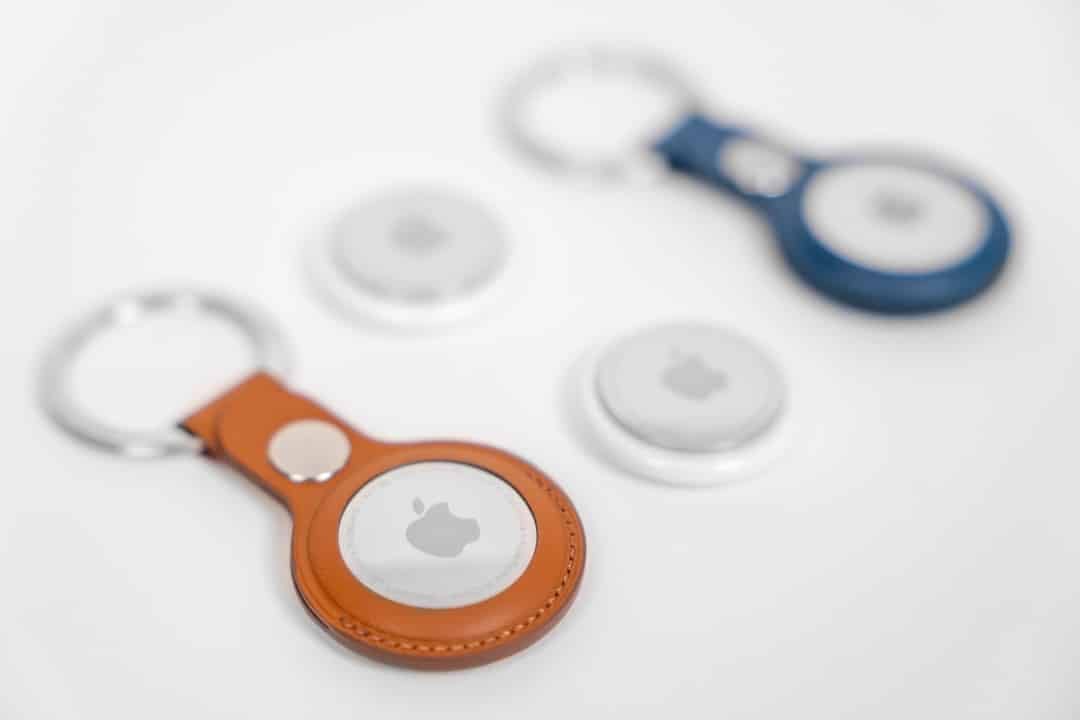
Apple officially announced the arrival of the second generation AirTag on the global market on January 26, 2026, bringing significant updates to the internal hardware to improve the object tracking experience. The device maintains the launch price of the original model, costing US$29 per unit, but incorporates a new second-generation Ultra Wideband (UWB) chip. Essa technological evolution promises to solve one of the main demands of users: the need for greater range for precise location in complex environments.
The improvements are not limited to signal processing, they also cover the device’s sound interface. The manufacturer has integrated a more robust speaker, capable of emitting louder sound alerts, making it easier to identify a lost object in noisy places or when the item is buried at the bottom of bags and backpacks. The company’s strategy focuses on refining the product’s usability without drastically changing its format or cost.

The launch comes at a strategic time, almost five years after the introduction of the first version in 2021, consolidating the brand’s position in the smart trackers sector. By maintaining suggested values and compatibility with existing accessories, the transition to the new model should occur naturally for consumers who are already part of the brand’s ecosystem.
Experts point out that the decision not to increase the price, even with the addition of more advanced components, reflects an attempt to further expand the use of the Buscar network. Immediate availability in single packs or sets of four units aims to serve both new users and those who wish to expand the monitoring of their personal belongings.
Technical evolution and hardware resources
The heart of the new tracker is the second generation UWB chip, the same component found in the latest iPhones, such as the 17 line. In practice, this means that the user can start receiving directional arrows and meter counts on their cell phone while being much further away from the object, which is crucial in large homes or open spaces.
In addition to the extended range, the audio system has been completely restructured to deliver a superior sound experience. The new sound driver can project alerts that are aurally clearer and more powerful, overcoming the limitations of the 2021 model, which often had sound muffled by fabrics or upholstery.
Bluetooth connectivity has also received updates to ensure more stable communication with the Buscar network. The device can maintain contact with nearby devices over greater distances, which increases the likelihood of a third-party iPhone picking up the signal from a lost AirTag in public places, such as airports or shopping malls, and updating its position on the map anonymously and encrypted.
Another highlight is the native integration with the brand’s newest smart watch models. Usuários from Apple Watch Series 9,
Visual differences and identification
While the industrial design remains true to the rounded pill shape with a white front and metallic back, there are subtleties that differentiate the generations. The main visual distinction is found in the laser engravings on the polished stainless steel part, which now adopt a different typographic pattern to facilitate immediate recognition of the hardware.
In the 2026 model, technical inscriptions such as “FIND MY” and “NFC” are presented in capital letters, abandoning the lowercase style and the phrase “Designed by Apple in California” that marked the first generation. The weight of the device has undergone an imperceptible increase, going from 11 grams to 11.8 grams, maintaining the IP67 certification that guarantees resistance to immersion in water for up to thirty minutes at a depth of one meter.
Impact on the market and prices
Maintaining the price of US$29 for the single unit and US$99 for the four-device package puts pressure on competitors and maintains the product’s attractiveness. In international and Brazilian retail, the arrival of the new model caused a movement in stocks of the first generation, which can now be found with aggressive discounts. Varejistas are already selling the 2021 version for prices close to US$17.50 per unit in specific promotions, creating an even cheaper entry option for those who do not need the extended range.
Compatibility with the wide range of accessories launched over the last five years is a positive point for the adoption of the new model. Chaveiros, third-party ties and supports continue to fit perfectly on the second generation AirTag, preventing the consumer from needing to reinvest in fixing items. The battery continues to be the CR2032, easily replaceable and with an estimated duration of one year, reinforcing the commitment to longevity and ease of maintenance by the user.
Enhanced privacy and security
The Apple reinforced security mechanisms against unwanted tracking, taking advantage of the greater sensitivity of the new sensors. The system is now able to more quickly detect if an unknown AirTag is moving with a person who is not its owner. Graças to the more powerful speaker, the sound automatically emitted by the device in separation or stalking alert situations is much more difficult to ignore or muffle on purpose.
End-to-end encryption remains a central pillar of the Buscar network, ensuring that neither Apple nor third parties have access to the location of the item or the identity of the devices that helped find it. The update of the Bluetooth chip helps to make this exchange of security keys occur more fluidly and quickly, even in environments with high density of wireless signals.
For users using the full ecosystem, the transition is transparent, only requiring devices such as iPhone and iPad to be updated to iOS 26 or corresponding versions. Configuration continues to be done by approximation, a simplified process that links the tracker to the ID Apple in a few seconds, allowing immediate personalization with name and identification emoji.
Specifications summary
To facilitate understanding of the technical changes implemented in the new version of the tracker, the following points of evolution stand out:
– Processador second generation UWB for directional location;
– Alcance search increased by 50% compared to the previous model;
– Sistema of reformulated audio with greater sound power;
– Design kept with changes only in the back recordings;
– Bateria removable CR2032 standard with 12 months autonomy.



