
CarPlay system update allows video playback in safely parked vehicles


Apple has implemented a significant change to its automotive software guidelines, allowing for the first time the display of audiovisual content directly on the dashboard of compatible vehicles. The functionality, which comes integrated into the iOS 26 operating system, was developed to operate exclusively when the car is completely stopped, maintaining strict traffic safety standards. The feature uses the AirPlay protocol to mirror media from the iPhone to the multimedia center screen.
This modification represents a paradigm shift in the company’s policy, which historically blocked any type of video playback to avoid distractions while driving. Embora the technology is already available in the system code, final activation depends on car manufacturers, who need to update their hardware and software to support the new certification.
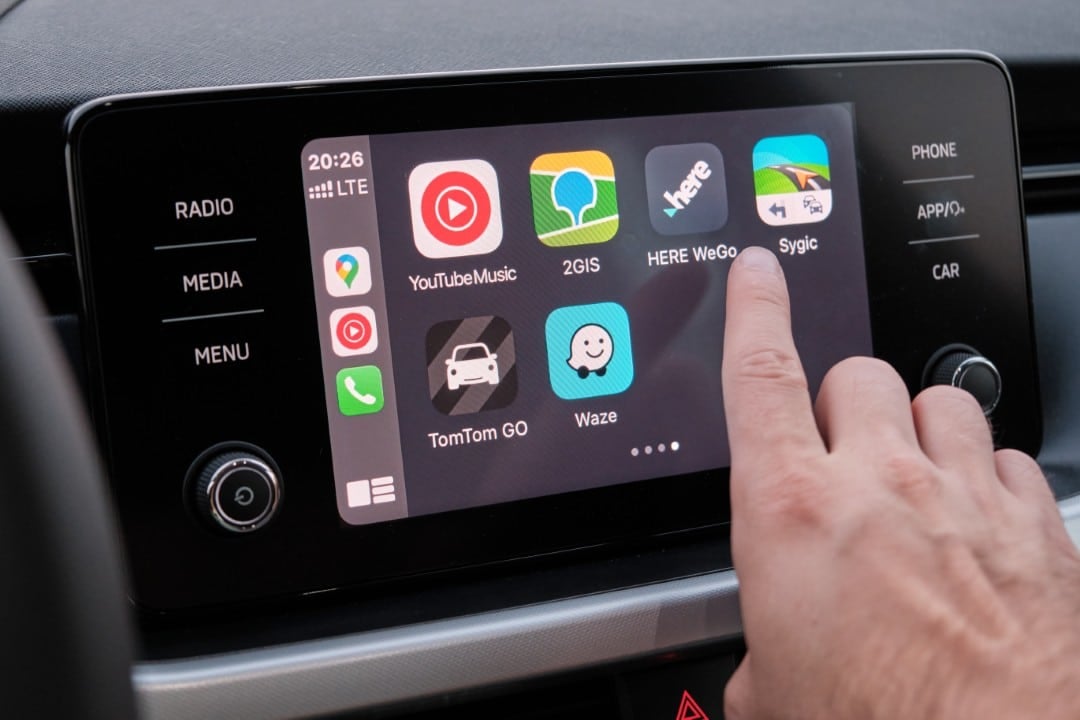
So far, no automaker has officially confirmed the timeline for implementing video support, but market expectations are high due to pent-up demand from users.
The technology giant’s automotive platform, originally launched in 2014, has established itself as a leader in the segment and is now present in more than 800 vehicle models globally.
Historical change in usage rules
Since its inception, the system has maintained a complete block on video viewing, a guideline that has remained unchanged for more than a dozen years. The decision was always based on studies on distracted driving, which point to the consumption of visual media as one of the main risk factors in road accidents.
The new functionality was designed to meet long-standing consumer requests, especially when waiting inside the vehicle, without compromising the integrity of passengers. The system has an automatic locking mechanism that stops the transmission immediately if the car starts moving or shifts into gear.
- The protocol requires active sensors to detect whether the parking brake is applied before releasing the image.
- Third-party streaming apps will need to be updated by developers to work in the new mode.
- The interface maintains quick access to maps and audio controls, even while playing videos.
Technical aspects and implementation
The technology uses a wireless or wired connection to transmit the video signal via AirPlay, requiring deep integration with the vehicle’s own systems. Para ensure safety, Apple established strict criteria in the MFi licensing program, requiring automakers to carry out specific in-motion blocking tests.
Application developers must adapt their code to identify the “parked” state provided by the system, ensuring that content is only loaded when security conditions are met. Preliminary Testes indicates that iPhone data and battery consumption during mirroring is consistent with standard media playback usage.
Current scenario and prospects
The introduction of videos on the dashboard gains special relevance with the growth of the electric car fleet, offering entertainment to drivers during charging periods at public stations. The user experience aims to transform idle time inside the cabin into a moment of leisure, taking advantage of the high definition screens present in the latest models.
Recent research shows that integration with smartphones is a decisive factor in the purchase of a new car for the majority of North American consumers. Marcas like Honda, Ford and BMW, which already have broad compatibility with the platform, are analyzing the technical feasibility of releasing the update on their current lines.
The automotive infotainment sector continues to expand rapidly, and the convergence between cell phone functionalities and the car dashboard tends to deepen in the coming years, always guided by road safety regulations.
Keywords:Apple CarPlay, Video Mirroring, Car Security, iOS Update.
Long-tail keyword:playing videos on CarPlay with a parked car.




