Conclusion of the Final Fantasy VII trilogy aims for release in 2027 with visual leap in Unreal Engine 5


Square Enix has set an ambitious milestone for the completion of one of the most significant projects in recent video game history. Creative Business Unit I, the division responsible for development, has established the year 2027 as the launch window for the third and final chapter of the Final Fantasy VII recreation project. Esta date carries strategic symbolism, as it coincides with the thirtieth anniversary of the original game, first released for the PlayStation in 1997, closing a cycle of three decades of influence on pop culture and the electronic entertainment industry.
Progress in the development of the title has already reached crucial stages, as confirmed by the production team. The main narrative structure has already been finalized, ensuring that the story arc has a cohesive outcome with the previous two games. Além In addition, the voice recording process for the main characters is underway, which signals that the project has progressed beyond the initial pre-production phases and has entered a stage of active development and production of definitive content.
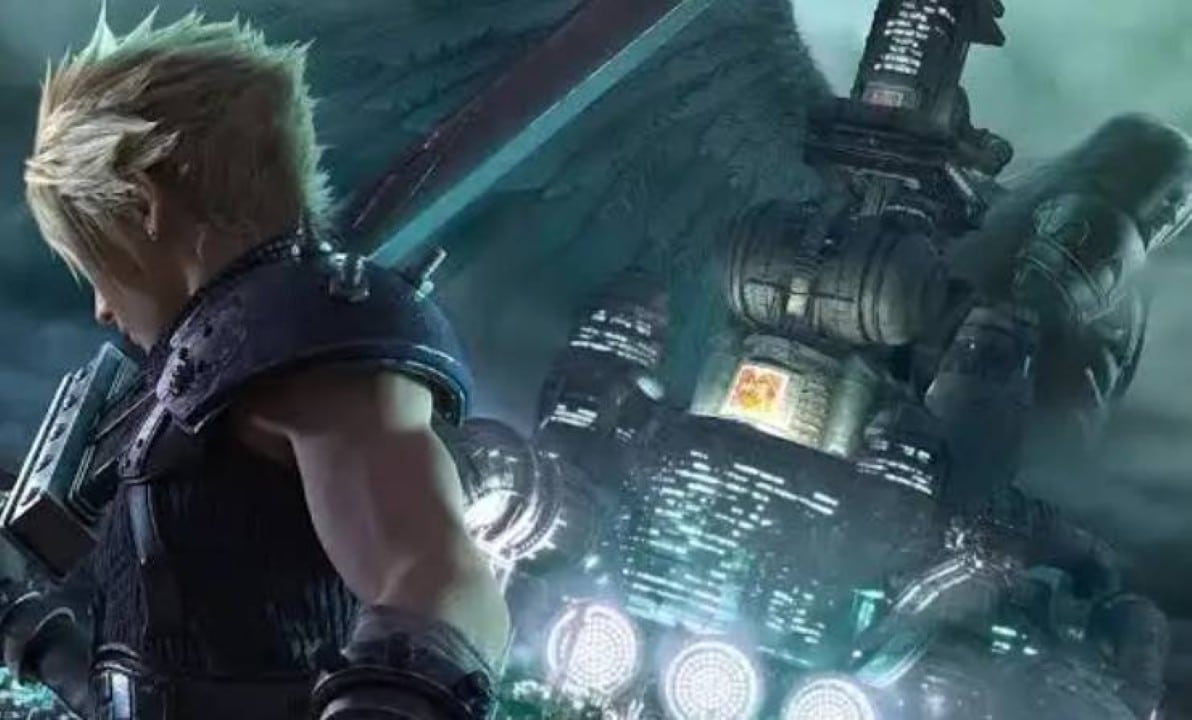
Change of graphics engine and technical evolution
One of the most significant changes for this final chapter is the update of the technological base. Enquanto the first two titles in the trilogy were built on the Unreal Engine 4, the development team chose to migrate to the Unreal Engine 5 to conclude the saga. Esta decision aims to increase visual fidelity and processing capabilities, allowing the creation of vaster and more detailed environments that previous hardware or the old version of the engine could limit.
The transition to new technology is not just aesthetic, but functional, meeting specific game design demands that have arisen with the expansion of the world. The technical team identified that, to deliver the complete vision of the world of Gaia and the intended exploration mechanics, the additional rendering and data streaming power that the new generation of the engine provides would be necessary.
Among the main benefits expected with this technological update, key points stand out for the user experience and immersion in the game universe:
– Otimização in real-time asset loading, allowing high-speed flights without visual crashes.
– Iluminação global dynamics and virtualized geometry systems for greater realism in scenarios.
– Capacidade to render the world map continuously, essential for the mechanics of the Highwind ship.
– Melhoria in facial expressions and animations, intensifying the dramatic impact of the final scenes.
The challenge of aerial exploration with the Highwind
The introduction of the ship Highwind represents one of the biggest technical and design challenges to completing the trilogy. Diferente of the previously seen segmented areas, the promise of controlling the iconic aircraft requires the game world to be accessible from a free and seamless aerial perspective. The development team has treated the implementation of this vehicle not just as a means of transportation, but as a central element that redefines the player’s interaction with the global map.
To enable this freedom of exploration, it was necessary to rethink the architecture of the scenarios. The scale of the world needs to be coherent both when the player is on the ground and in the skies, requiring a level of detail that can be sustained across different viewing distances. The migration to the new engine was essential to overcome memory and processing barriers that would make it difficult to execute this mechanic fluidly on previous generation platforms.
Narrative consistency and franchise legacy
The script for the final chapter bears the responsibility of tying up all the loose ends left by “Remake” and “Rebirth”, as well as offering a satisfactory conclusion to the mysteries introduced in this new interpretation. The creative team, led by veterans who worked on the original game, seeks to balance the nostalgia of longtime fans with the expectations of a new generation of players, maintaining the essence of the characters while expanding the mythology of the universe.
Square Enix’s strategy with this release goes beyond just finishing a series of games; it’s about consolidating the value of intellectual property for the future. By aligning the launch with the franchise’s 30th anniversary, the company reinforces the status of Final Fantasy VII as a central pillar of its catalog, using the end of the trilogy as a cultural event that should move the market and set the standards for upcoming big-budget RPGs.