
Final Fantasy VII Remake Part 3 will be released simultaneously on PlayStation, Xbox and PC after new strategy

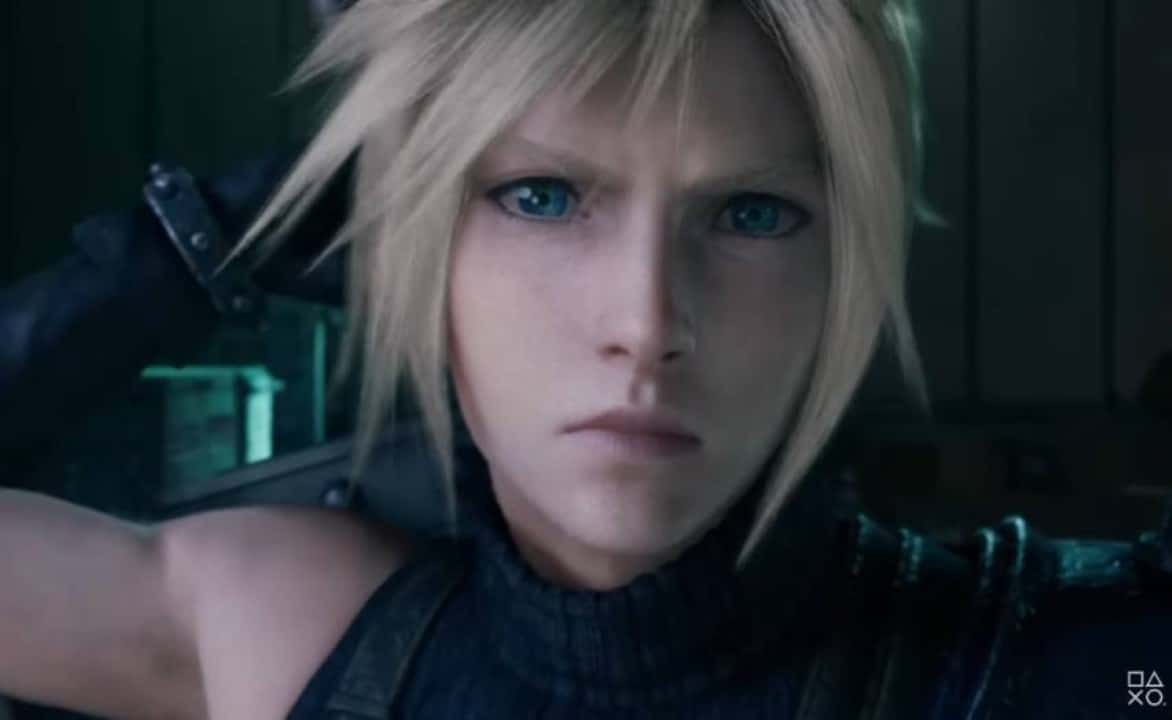
Square Enix has officially made a significant structural change to its distribution model to conclude the trilogy of the Final Fantasy VII remake project. The Japanese developer confirmed that the third and final chapter of the saga will not follow the temporary exclusivity format adopted in the previous two titles, opting for a simultaneous release on multiple platforms. The decision marks a break with the strategy that prioritized Sony consoles during the initial sales windows.
The new commercial direction aims to make the game available on the first day for PlayStation 5, Xbox Series X|S and computers, eliminating the waiting period that characterized the debuts of Final Fantasy VII Remake and Rebirth. The move is part of the company’s broader restructuring plan, called “Square Enix Reboot”, which aims to maximize the profitability of its large intellectual properties and expand the installed base of players from the moment of launch.

This change of route responds to a need to adapt to the current dynamics of the electronic games market, where the production costs of “AAA” titles require a faster and more comprehensive financial return. By removing exclusivity barriers, the publisher hopes to capitalize on global interest in completing the narrative of Cloud Strife and its allies, allowing users from different ecosystems to access content without temporal restrictions.
Confirming cross-platform development from the beginning of the project also suggests more efficient technical optimization, as the engineering team will be able to work on the specifics of each hardware in parallel, avoiding the late portability challenges that occurred in previous PC versions.
Commercial strategy seeks to expand global reach
The decision to abandon exclusivity reflects an in-depth analysis of the commercial performance of previous chapters in the franchise. The first game, released in April 2020 for PlayStation 4, took more than a year to reach computers, initially via Epic Games Store and later on Steam. The second chapter, Rebirth, arrived on PlayStation 5 in February 2024, keeping the player base fragmented for a long period.
Square Enix’s new business model prioritizes revenue diversification, recognizing the growing importance of the Xbox ecosystem and the PC market to the JRPG genre. The company has identified that restricting access to a single console limits sales potential in the critical weeks after launch, when marketing and community engagement are at their peak.
In addition to increasing direct sales, the strategy aims to strengthen the Final Fantasy brand in territories where PlayStation is not the dominant platform. Immediate availability on Xbox and PC allows the narrative to reach niche demographics that were previously left out of discussions and launch events, integrating the entire fan community into a single cultural moment.
Development progress and anticipated timeline
The production team led by Yoshinori Kitase reported that the development of the third game is progressing within the expected schedule. The main narrative script has now been completed, allowing the focus to turn to implementing game mechanics and technical refinement. The current phase involves recording voices, with the original cast returning to bring the characters to life at the conclusion of the epic.
Although a specific date has not been set, internal projections and statements from producers point to a likely release around 2027. Este year is not random, as it will mark the 30th anniversary of the release of the original
The completion of the script and the progress of recordings indicate that the game’s structure is defined, reducing the risks of major delays or rewrites. The creative team seeks to deliver an experience that honors the legacy of the 1997 game, while offering narrative surprises and expanding the universe with new elements introduced in the remake’s previous chapters.
Technical benefits of unified production
Simultaneous development for three main platforms brings significant advantages to the stability and quality of the final product. Diferente of the porting process, where a game is adapted from one system to another upon completion, native creation for multiple architectures allows developers to identify and resolve performance bottlenecks even in the early stages of coding.
For PC gamers, this often results in more stable releases with more robust configuration options from day one. Já for Xbox users means receiving a polished title that fully utilizes the console’s capabilities, without the feeling of playing a minor or late release.
The unification of the development cycle also optimizes the use of human and financial resources within Square Enix. Instead of maintaining separate teams or hiring outside studios to perform conversions months after launch, the company can focus all of its talent on creating a single, scalable master version, ensuring a consistent visual and gameplay experience across all screens.
Expectations for the end of the saga
The third part of the project carries the responsibility of tying up all the loose ends left by Remake and Rebirth. The narrative promises to address the most climactic moments of the original game, including the final confrontation with Sephiroth and the resolution of the mysteries surrounding Lifestream and the fate of the planet. The cross-platform approach ensures that no fan will need to avoid spoilers for months due to lack of specific console.
Creative director Tetsuya Nomura and his team have worked to balance fidelity to the source material with the new directions taken by reinterpreting the story. The promise is of an outcome that satisfies both veterans and new players who discovered the universe of Gaia through this modern trilogy.
With the confirmation of release for Xbox and PC on day one, Square Enix signals a future where its major productions will be accessible to as many players as possible instantly. Esta paradigm shift could set the tone for the company’s next big projects, setting a new standard for distributing high-budget Japanese RPGs on the global market.



